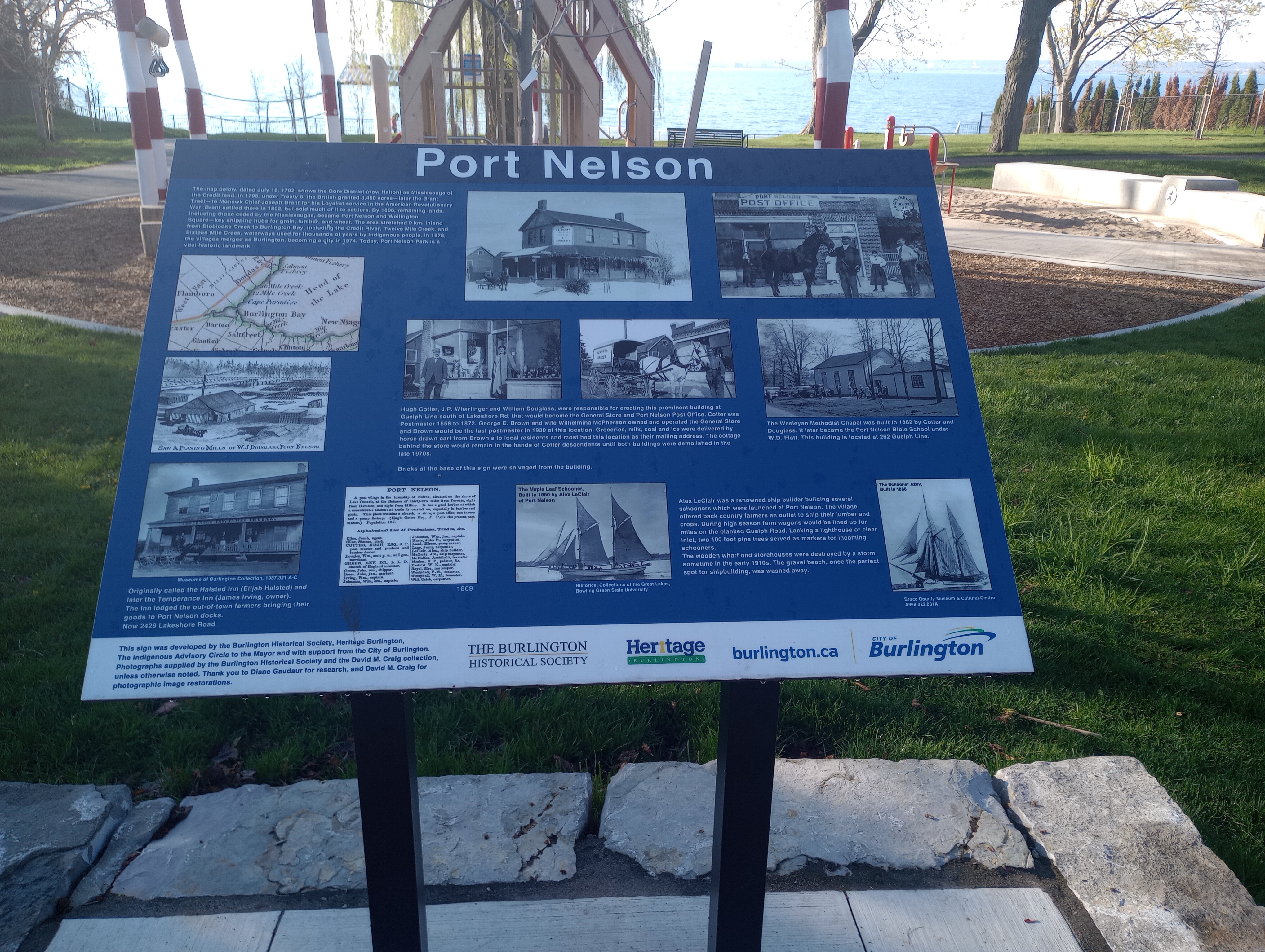
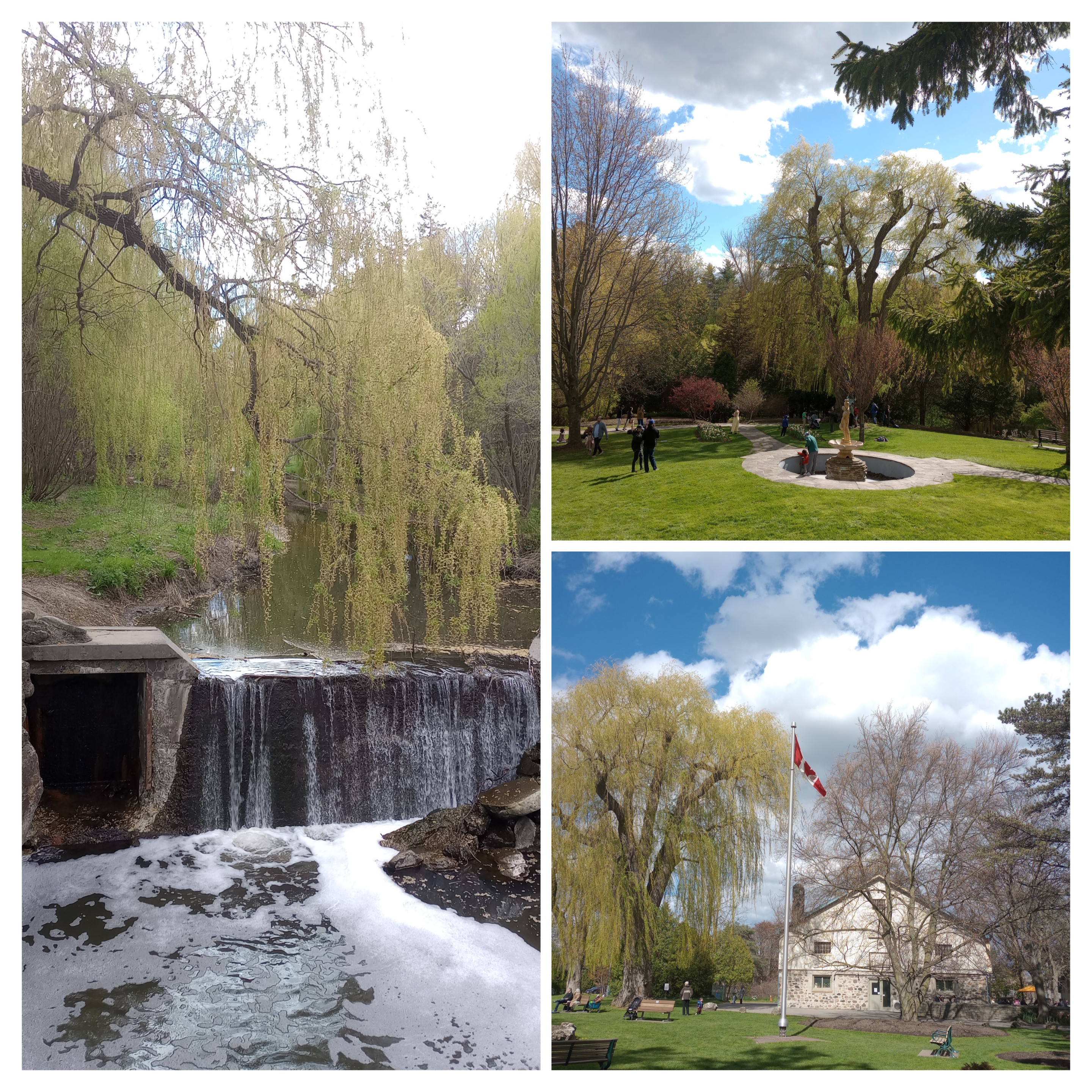
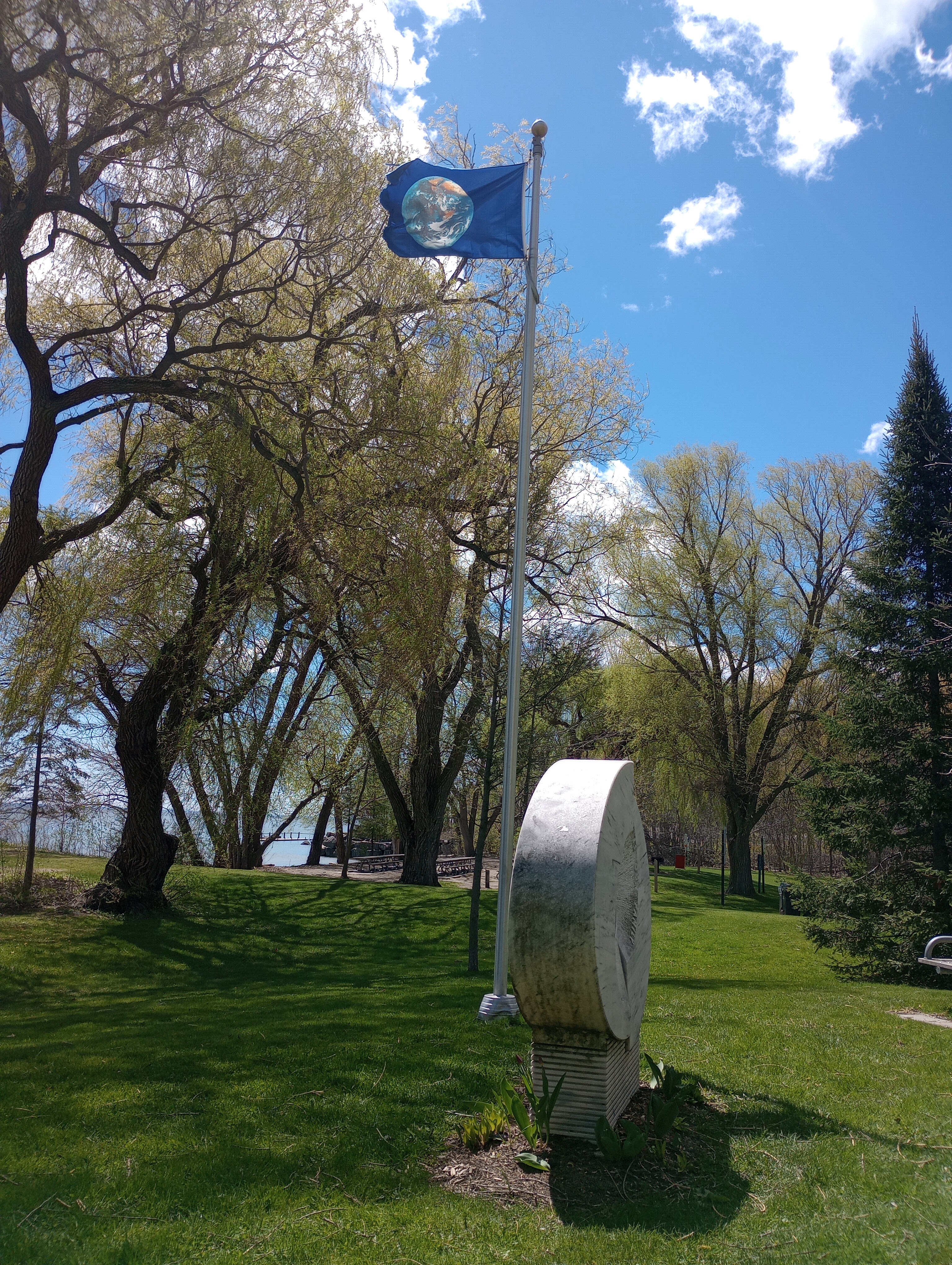
Around Mother’s day, we revisited the not one, not two meditation and went for walks to Edwards Garden-Sunnybrook-Wilket Creek area of Toronto and did readings from “Reviving Ophelia” and discussed how Immigrant / Bicultural Individuals, People who must navigate two or more cultural selves, often with contradictory demands.
Food for thought
“When I hold a calligraphy brush, I know I cannot remove my father from my hand. I cannot remove my mother or my ancestors from me. They are present in all my cells, in my gestures.” — Thich Nhat Hanh
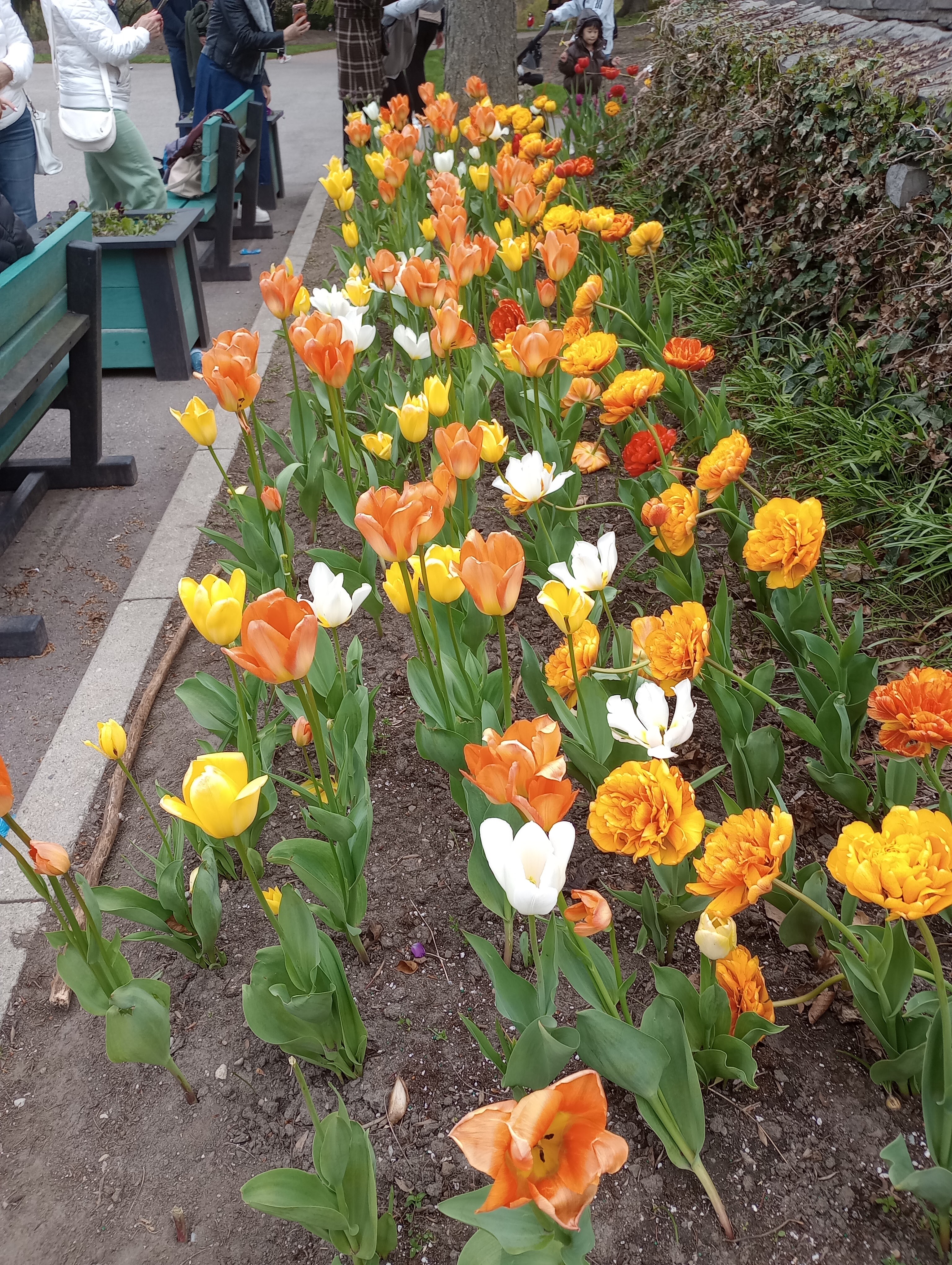
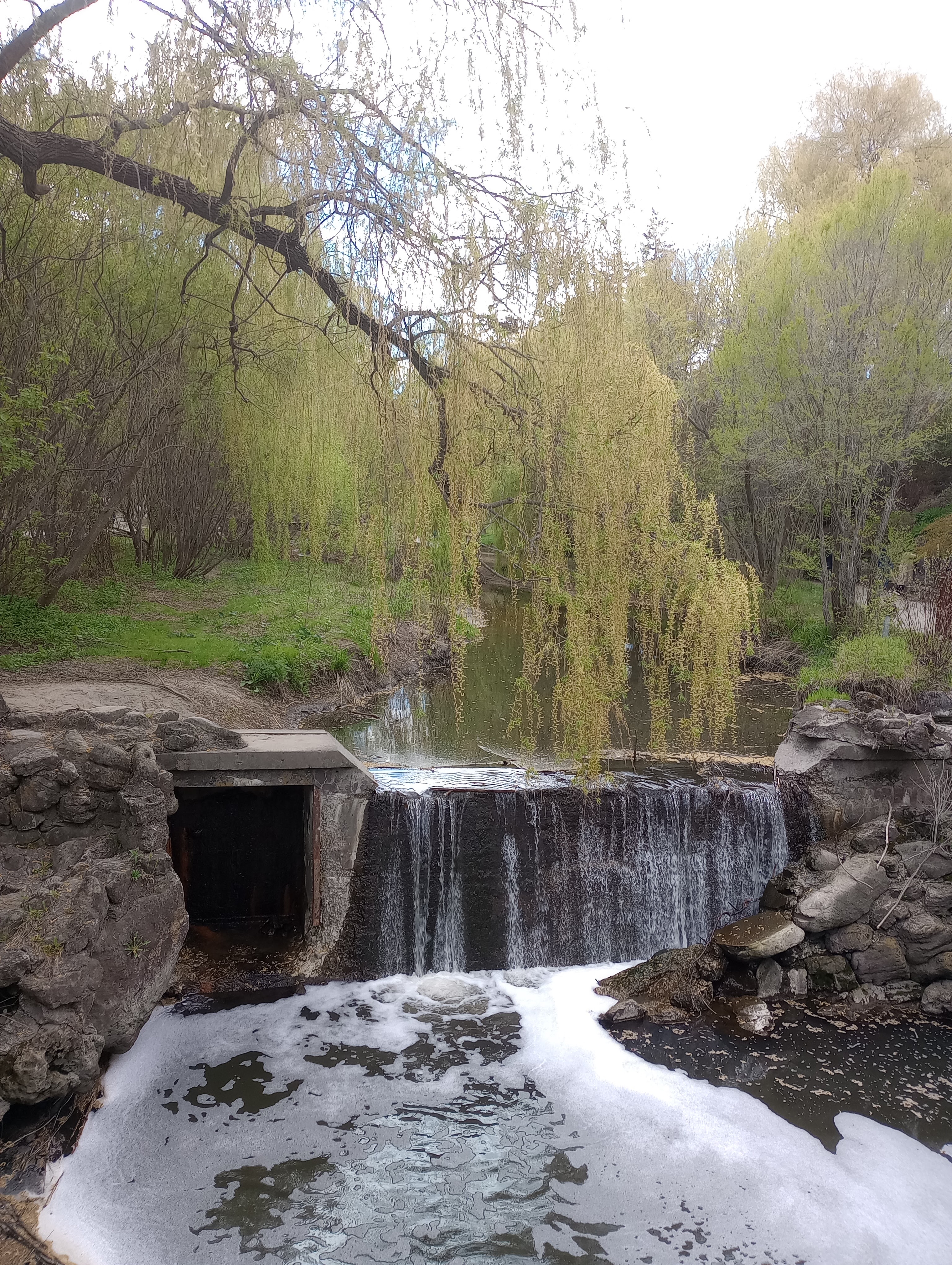
Walks – Edwards Garden- Wilket Creek
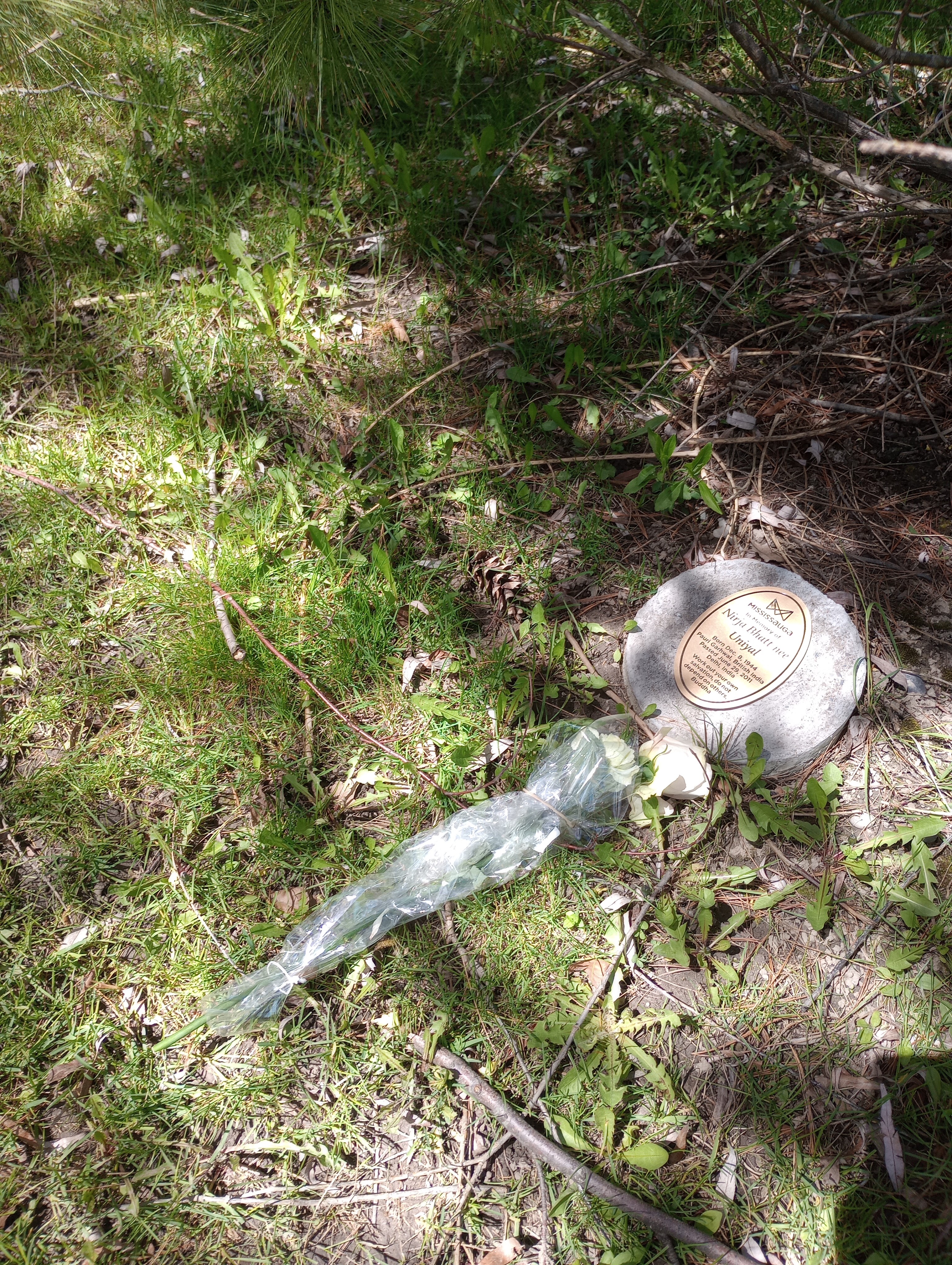
Mother’s Day walks in Wilket Creek-Edwards garden reminded us of the time when we were members of Ontario Science Centre (2014-2019), and Sahil, Sagar and I would spend many lovely hours in these galleries and parks while mummy did her courses in a college nearby. I also remember the first “Rock Garden” which my mother made in Poona (now known as Pune), Western India in 1970s. These memories made me understand things which I did not when my mother was alive- that she is in the way I hold my tea cup, in the particular way I pause before I speak, in the lump that rises in my throat when someone needs care and I instinctively move toward them. She is in me. She is of me. And I — I am her continuation.
This is what the beloved Buddhist teacher Thich Nhat Hanh calls “Not One, Not Two.”
Shorelines: Not One, Not Two
The meditation teaches that the boundary between parent and child is more like a shoreline where one body of water meets another rather than a wall and they are, in truth the same ocean.
Not one, not two. I am not my mother. But I am not, not my mother either.
This meditation made us reflect on our journeys, and the journeys of our parents and the generations before. It made me recall the India and Poona of the 1970s and how life was with walks in Lullanagar, picnics at Khadakvasla area and the lessons she taught me- when we studied in St.Vincent’s and St.Anne’s (Poona-1974-1980).
It also made me recall our own journey in Canada, the study in the colleges to get our credentials recognized and the meditations and walks we did in Port Credit and Edwards areas and how both sons evolved through middle school to high school (2014-2018 phase). They have both finished their university education now (2022-graduation).
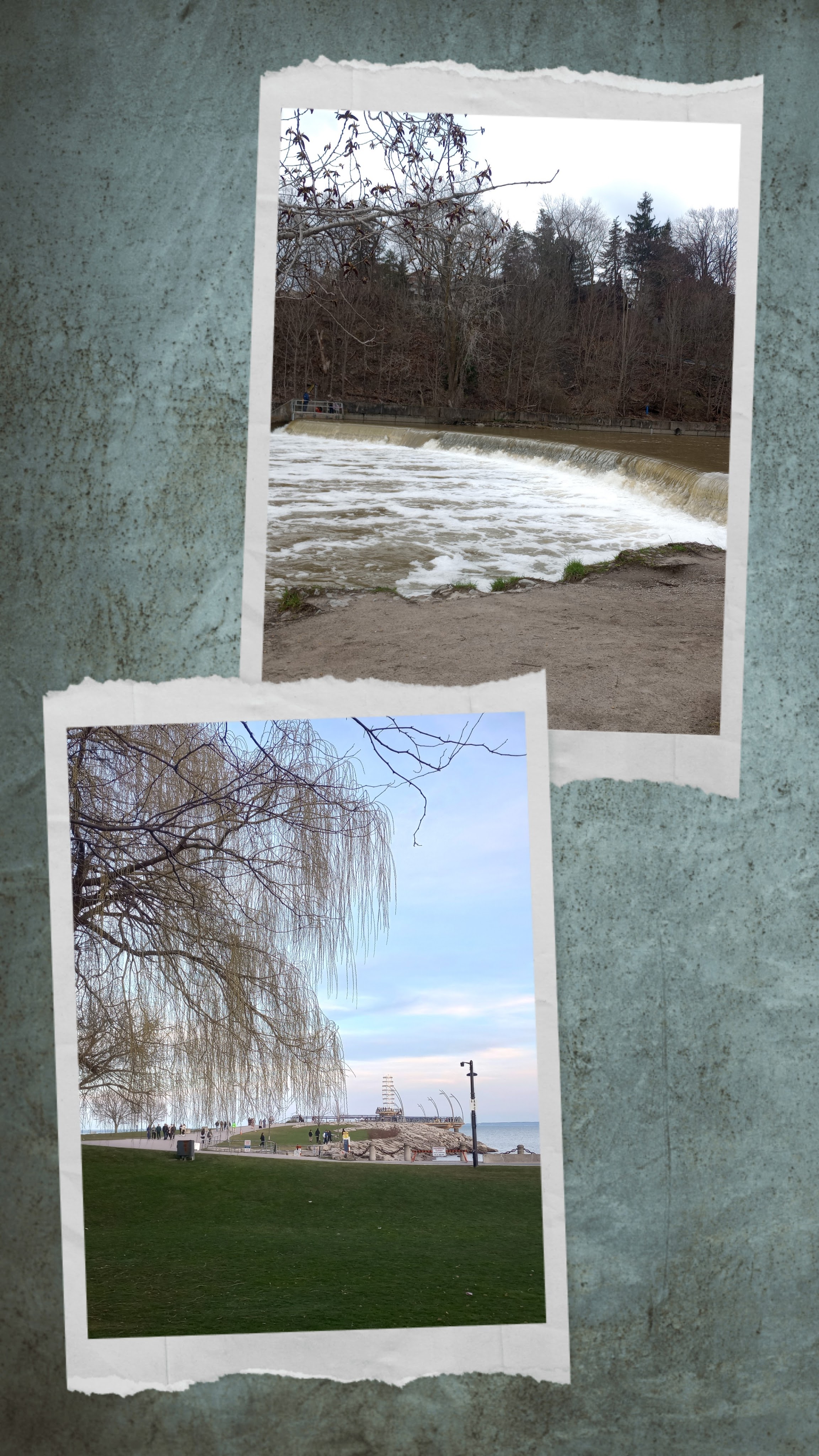
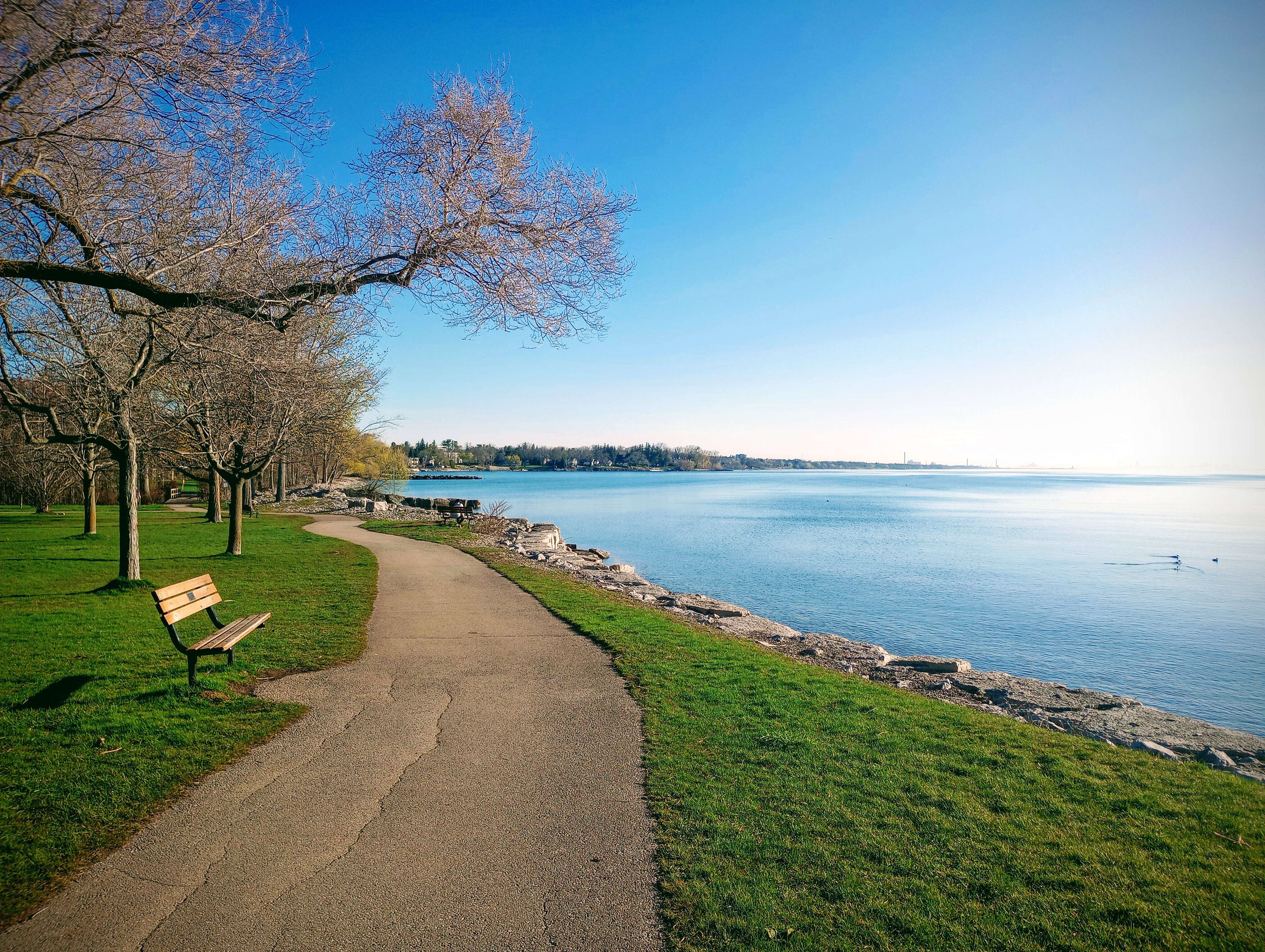
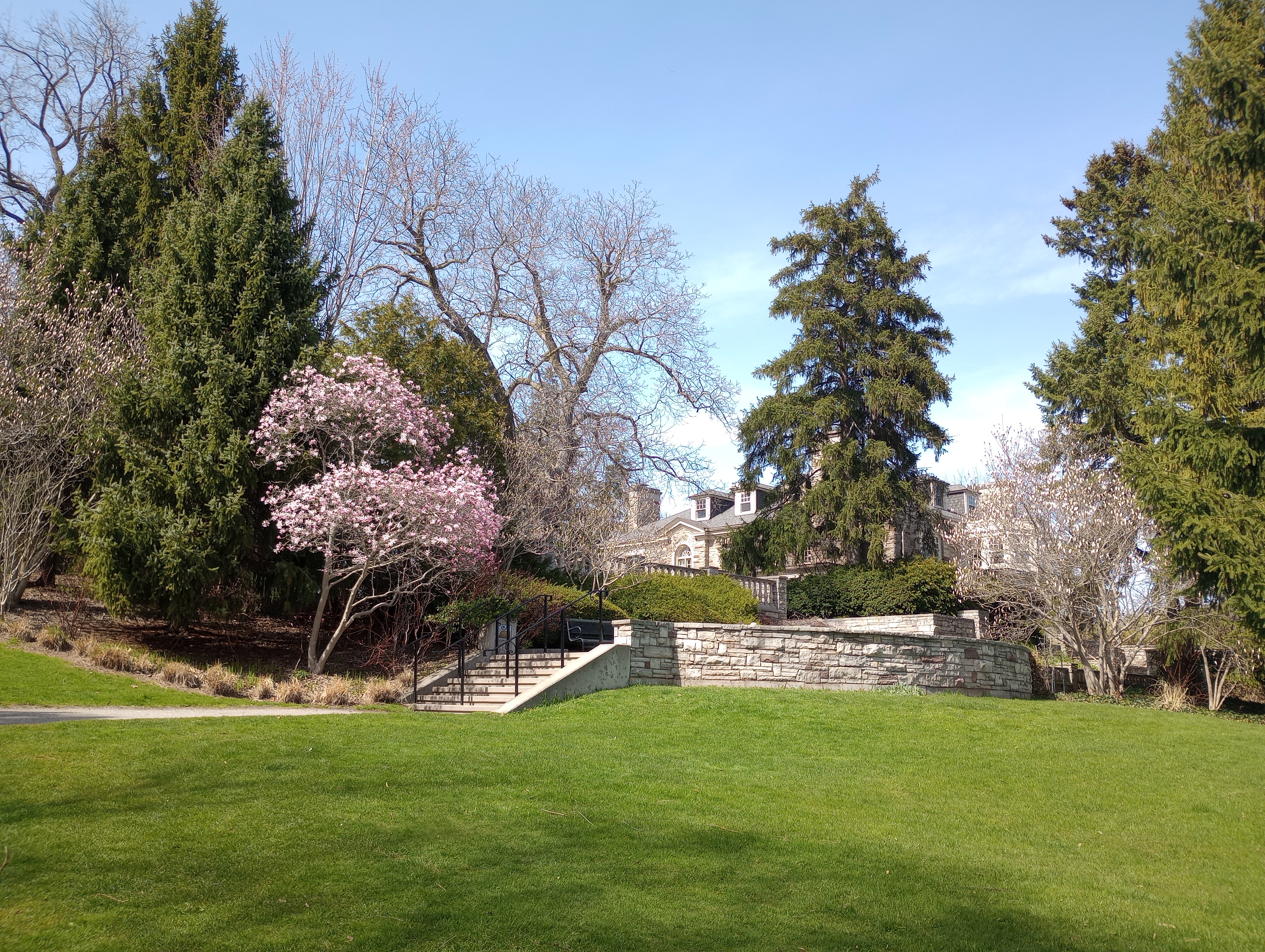
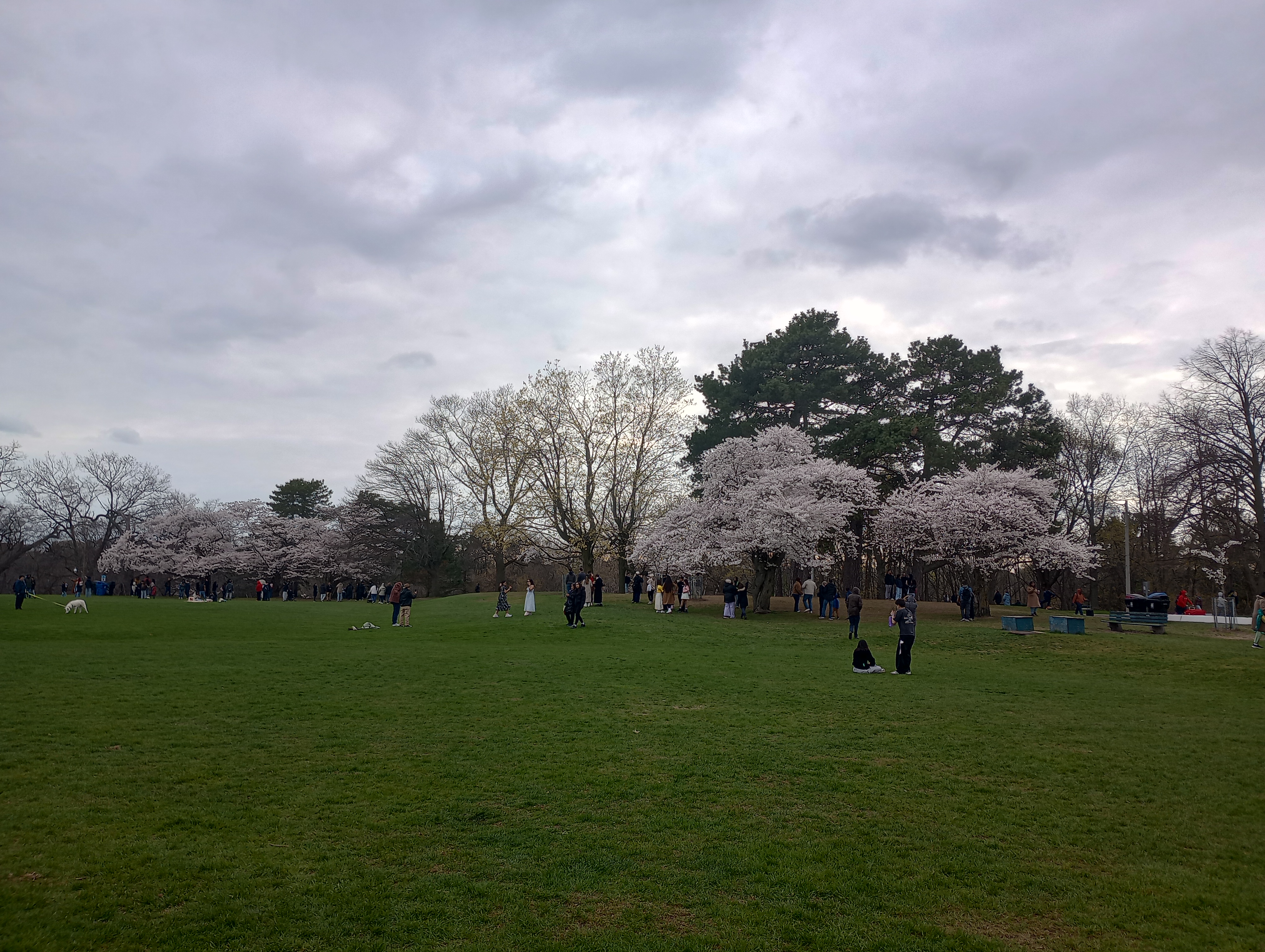
Around Mother’s Day: Family Book Club-Reviving Ophelia
The love of the written word was instilled in me by my parents. My uncles and grandfather encouraged me to make notes from what I read. The reading journal is a companion which helps sift different layers. So as I read Mary Pipher’s “Reviving Ophelia” the original Ophelia of Shakespeare’s Hamlet stood out. Ophelia is a poignant representation of a woman caught between duty and desire. She became a tragic pawn as her relationship with Hamlet was weaponized by her father. In Reviving Ophelia: Saving the Selves of Adolescent Girls, psychologist Mary Pipher draws a direct parallel between Shakespeare’s tragic heroine and contemporary North American teenage girls, arguing that modern culture systematically silences, constrains, and damages girls’ authentic selves during adolescence. It made me recall the teenage years of my sister, my aunts and nieces and how Poona of the 1980s was different from Benares/Lucknow of the 1960s and Delhi of the 2010s. In immigrant narratives authors like Salman Akhtar and Nita Tewari have written about bicultural individuals navigating two or more cultural selves, often with contradictory demands.
VERTICAL IDENTITY- HORIZONTAL IDENTITY
Acculturation and immigration throw up issues of how one integrates with the vertical identity inherited from the culture of origin- family values, attitude towards family of origin, sense of duty) and the horizontal identity- formed in the new culture-peerso, school, media. This reminded me of the Satsangs and Yoga classes in Malta- San Gjwann (See blog- Conversations in Identity- 2012 Conversations on Identity | Prashant Bhatt’s notes) and our own family journeys – and interactions with diaspora.
Three Ophelias emerged out of this reflection
- Shakespeare’s Ophelia = A woman whose identity is defined and ultimately destroyed
by the conflicting demands of the men in her life.
- Pipher’s “Ophelias” = Adolescent girls who lose their true selves to conform to toxic
cultural expectations.
- Immigrant / Bicultural Individuals = People who must navigate two or more cultural
- selves, often with contradictory demands.
In summary
The Not-One Not Two meditation, walks in Edwards garden-Wilket creek area around Mother’s day and book discussions took us down memory lane, and also generated some interesting reflections on the shades of Ophelias- especially amongst immigrants
DOWNLOAD REFLECTIVE WORKSHEET
References
Akhtar, S. (2010). Immigration and acculturation: Mourning, adaptation, and the next generation. Jason Aronson.
Flaherty, J. (2023). Reviving Ophelia: Reaching Adolescent Girls through Shakespeare’s Doomed Heroine.
Malla, H., Tewari, N., & Hussain, S. (2022). South Asian American marriages and dating. In U. Thakore-Dunlap, D. Srivastava, & N. Tewari (Eds.), Counseling and psychotherapy for South Asian Americans: Identity, psychology, and clinical implications (pp. 139–156). Routledge.
Pipher, M., & Gilliam, S. (2019). Reviving ophelia 25th anniversary edition: Saving the selves of adolescent girls. Penguin.
EARLIER PERSPECTIVES
PINJAR-Reading Club-2015-
Pinjar-by Amrita Pritam..Arc of development of characters | grace readings
Aj Aakhan Waris Shah nun,
Kiton Kabraan Vicchon Bol
Te Aj Kitab-e-ishq daa
Koi Agla Varka phol
Roughly translated
Today, I call Waris Shah,
“Speak from your grave”
And turn today,
The book of love’s next
Affectionate page
2012-SATSANGS-MALTA


