Line 2 to ROM

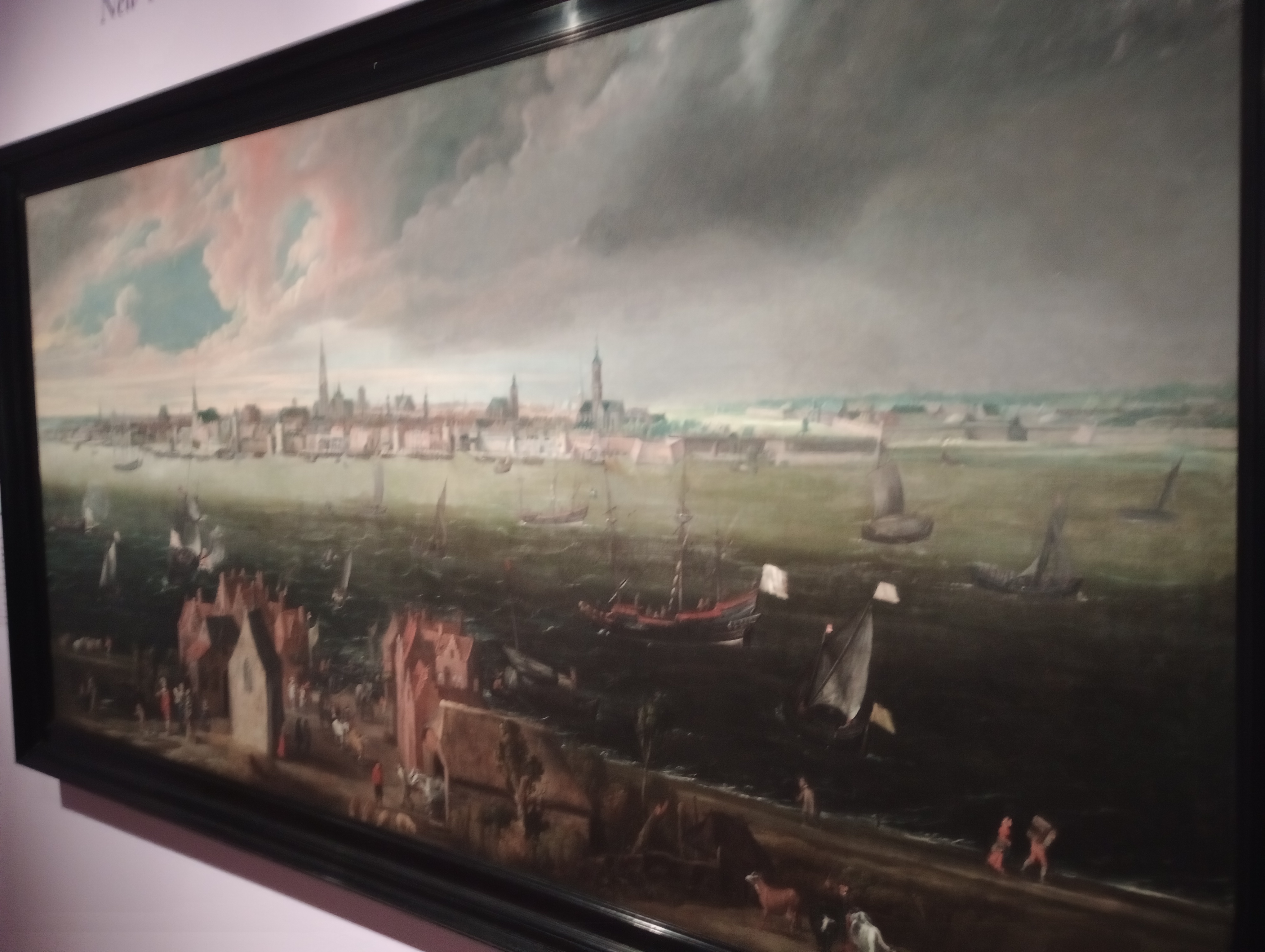
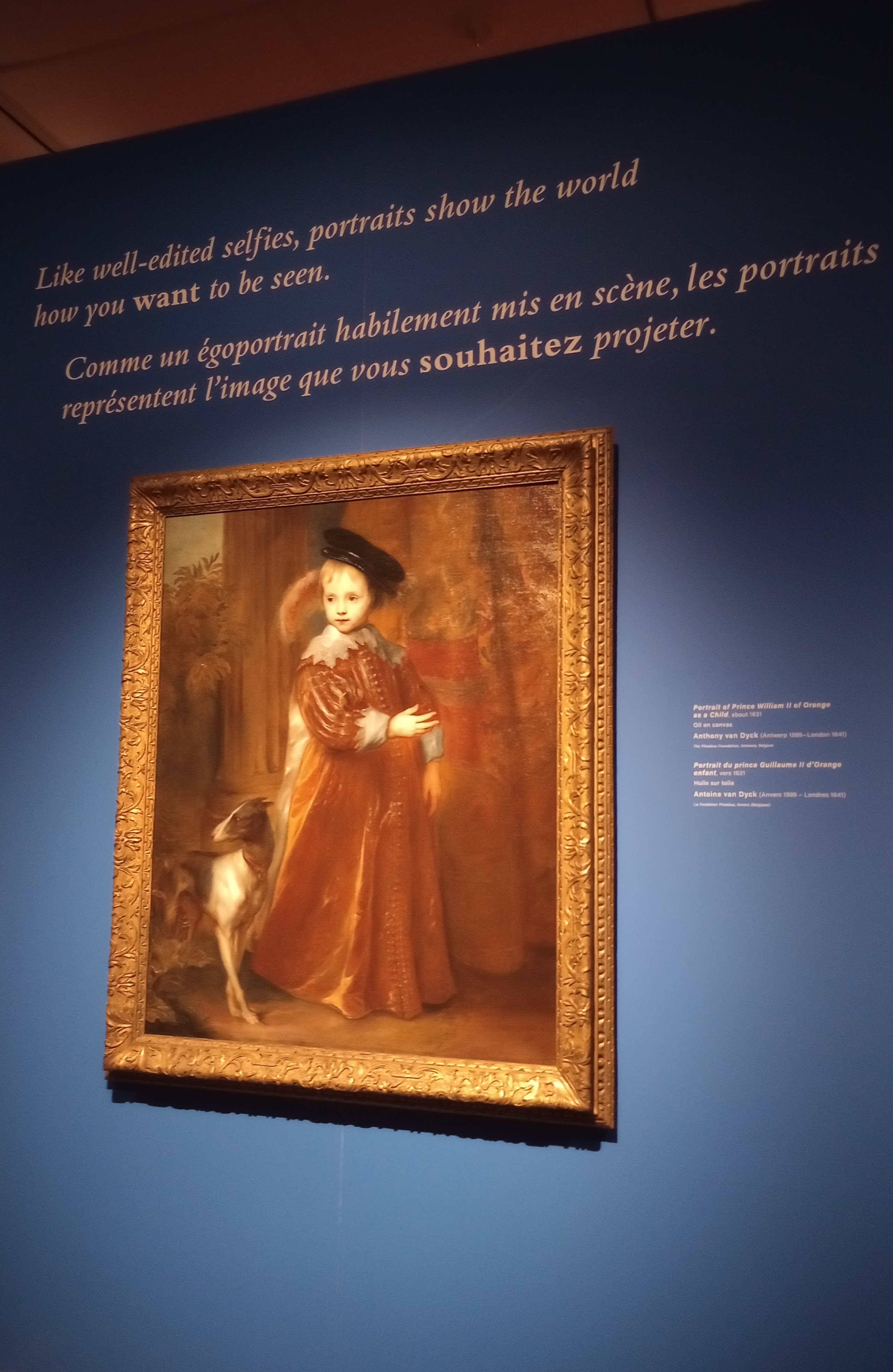
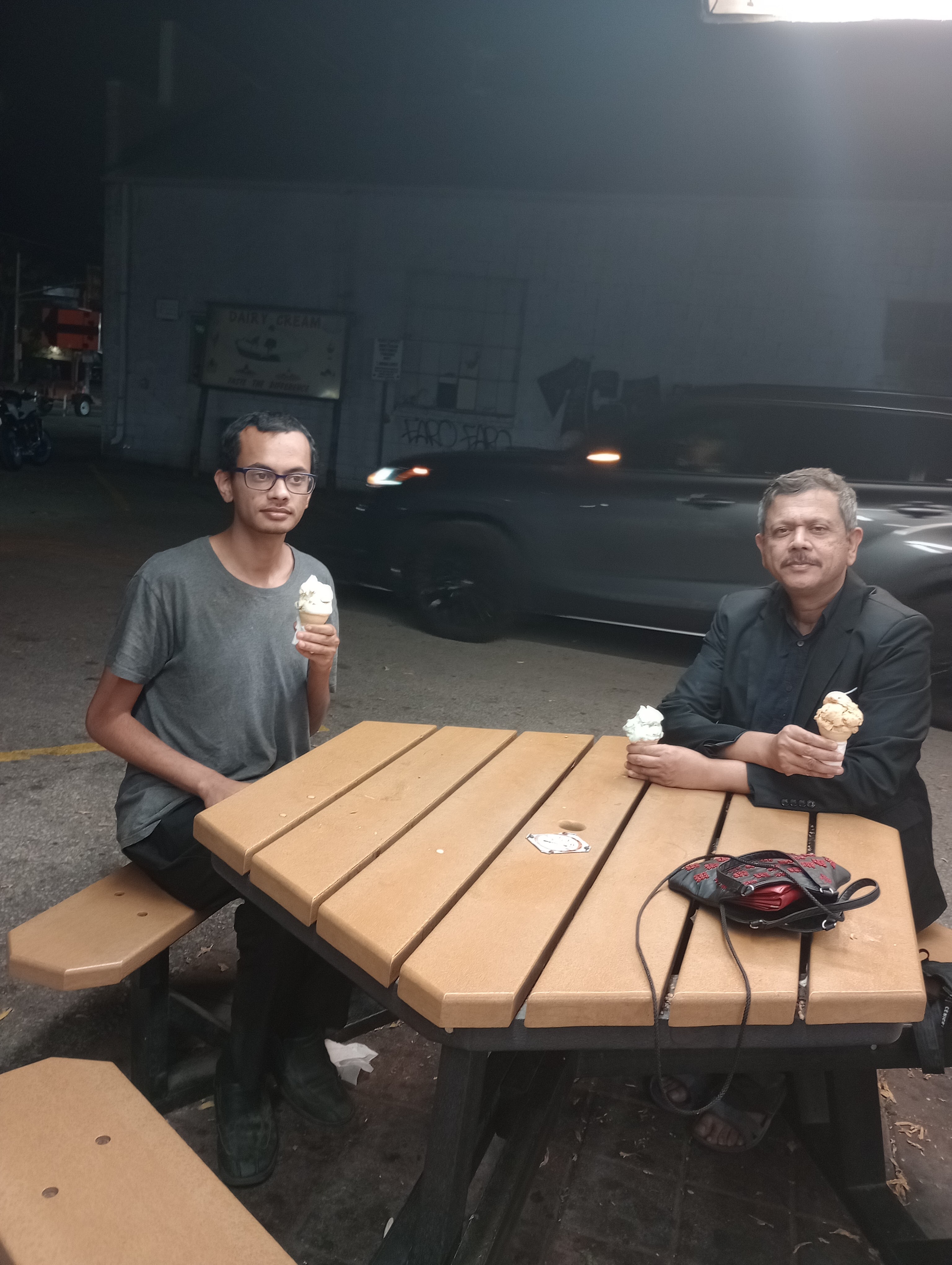
In this blog, I look back at some stirrings and silences from understandings of landscapes, and working tables at ROM (2014) and relate it to a recent walk through ROM with my son Sahil, where we went through paintings by Flemish masters, did sketch studies and walked slowly through Bloor and St.George areas of Line 2.

Line 2
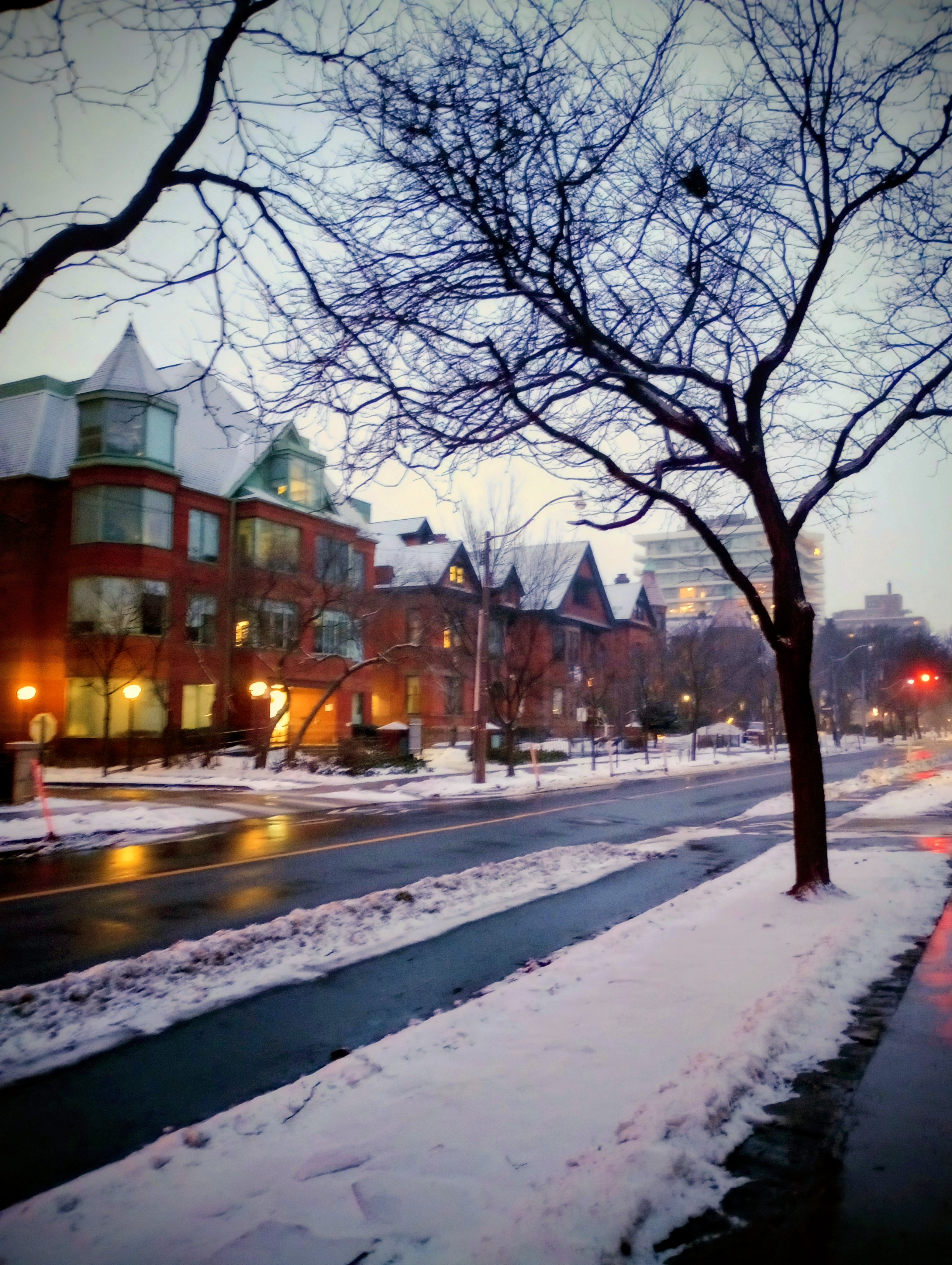
Elements on a Winter Evening-Toronto-Dec 2025

Over the years, we have developed a personal relation with line 2 and the many stations and people associated with them. Old Mills is where I meet a mentor who has become a confidante and friend over the years for a walk at least once a month- when the weather allows. Runnymede has nuances of different cafes and High Park-Hannah and the local histories through discussions made for many learning points. As we went past St.George and turned left, the architecture and feel of Bloor Toronto brought back many memories of past years.

Mindfulness Break- What elements of earth, wind, water, fire could you see in this phase of the trip. Eg- Saw a stall for hot dogs which were kept warm (fire) in the cold (water-wind-snowflakes) and was careful on the earth elements outside and in lower part of the body- as roads are slippery when wet


Flemish Masters: Diana and her nymphs-Rubens Studio

Food for thought: Relate to one work of art or exhibit in a museum walk and then reflect upon it in the evening or day after- with a sense of history of the art piece and what elements- awakening factors or any other element of mindfulness can be seen in it
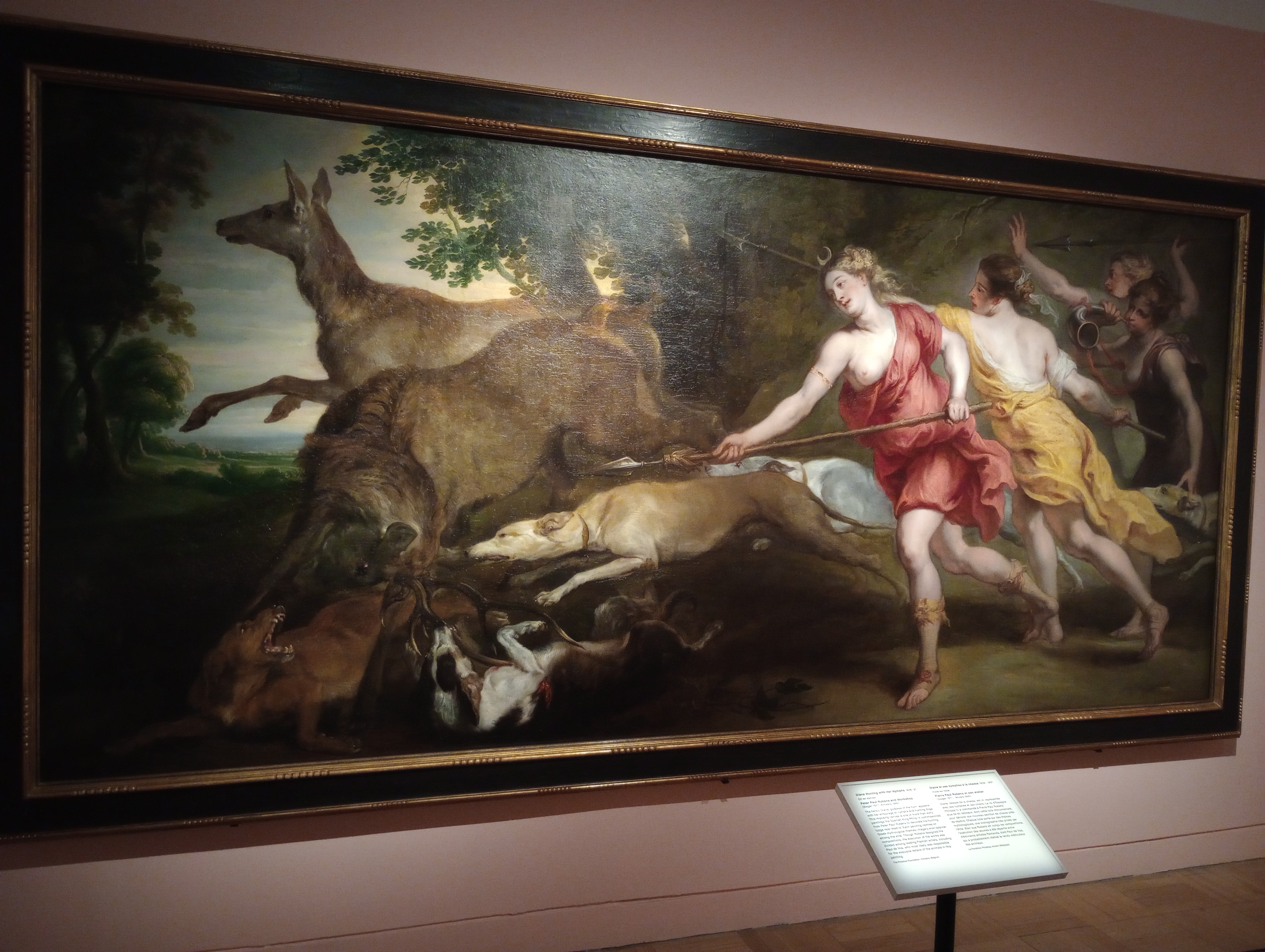
The Realism of Rubens as different from that of Caravaggio
RUBENS-Diana and her nymphs- studio- Commissioned in November 1636 by Philip IV of Spain (1605–1665)

History: Rubens was influenced by the Radical Naturalism of Caravaggio. Have spent many hours over the decades studying and admiring the Caravaggisti school of Malta.

In my walk in Art Institute of Chicago (2009-December) came across a special exhibition on Caravaggio’s -Supper at Emmaeus – in which the figures are not idealized saints but ordinary, even coarse persons. Christ is beardless, youthful and present at the same level as the apostles who are presented as day to day rough-handed peasants with spontaneous gestures such as the apostle’s arms through out as if to leap from his chair. 

Note- I have kept a copy of Supper at Emmaus in my clinic and sometimes, after having established sufficient rapport and confidence in the therapeutic relation go through the mindfulness and spiritual elements of this painting.

Supper at Emmaus By Caravaggio – National Gallery, London web site, Public Domain, https://commons.wikimedia.org/w/index.php?curid=270022

Mindfulness exercise- compare the way Realism and Anatomy are depicted by Caravaggio and Rubens, what awakening factors are involved. (Investigation, Energy, Joy, Tranquility, Concentration, Equipoise)

Link to Rubens

The Italian years -1600-1608- of Rubens were when he likely saw works of Caravaggio and a version of Supper at Emmaus. He did not merely copy Caravaggio, but assimilated and transformed his ideas for Northern European tastes and contexts. He adapted the dramatic light and emotional intensity into large-scale movements rather than Caravaggio’s frozen theatrical moments.

His realistic figures (as is seen in the painting – Diana and her nymphs hunting- show a combination of classical idealization of human form which is more heroic and less gritty.

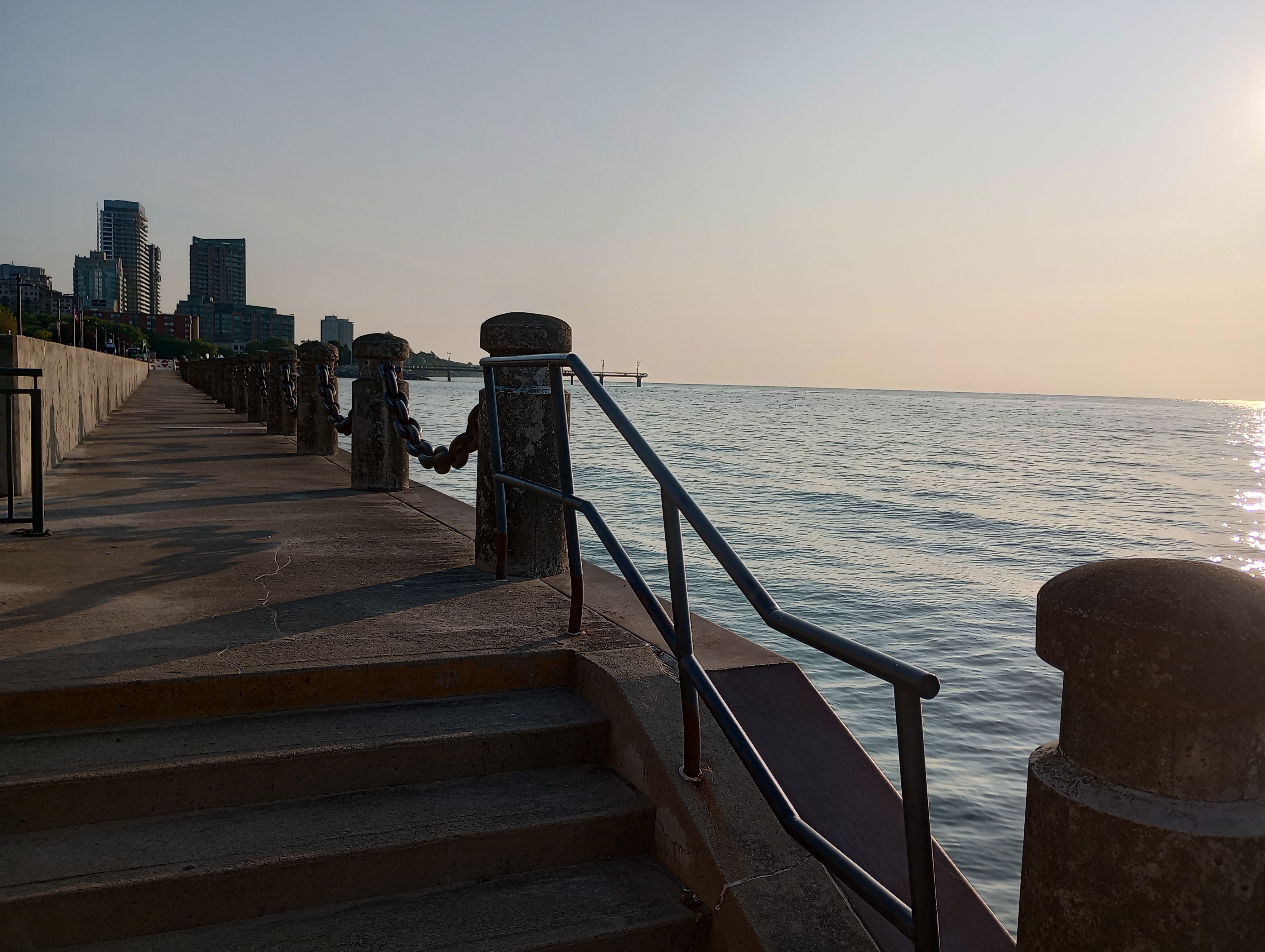
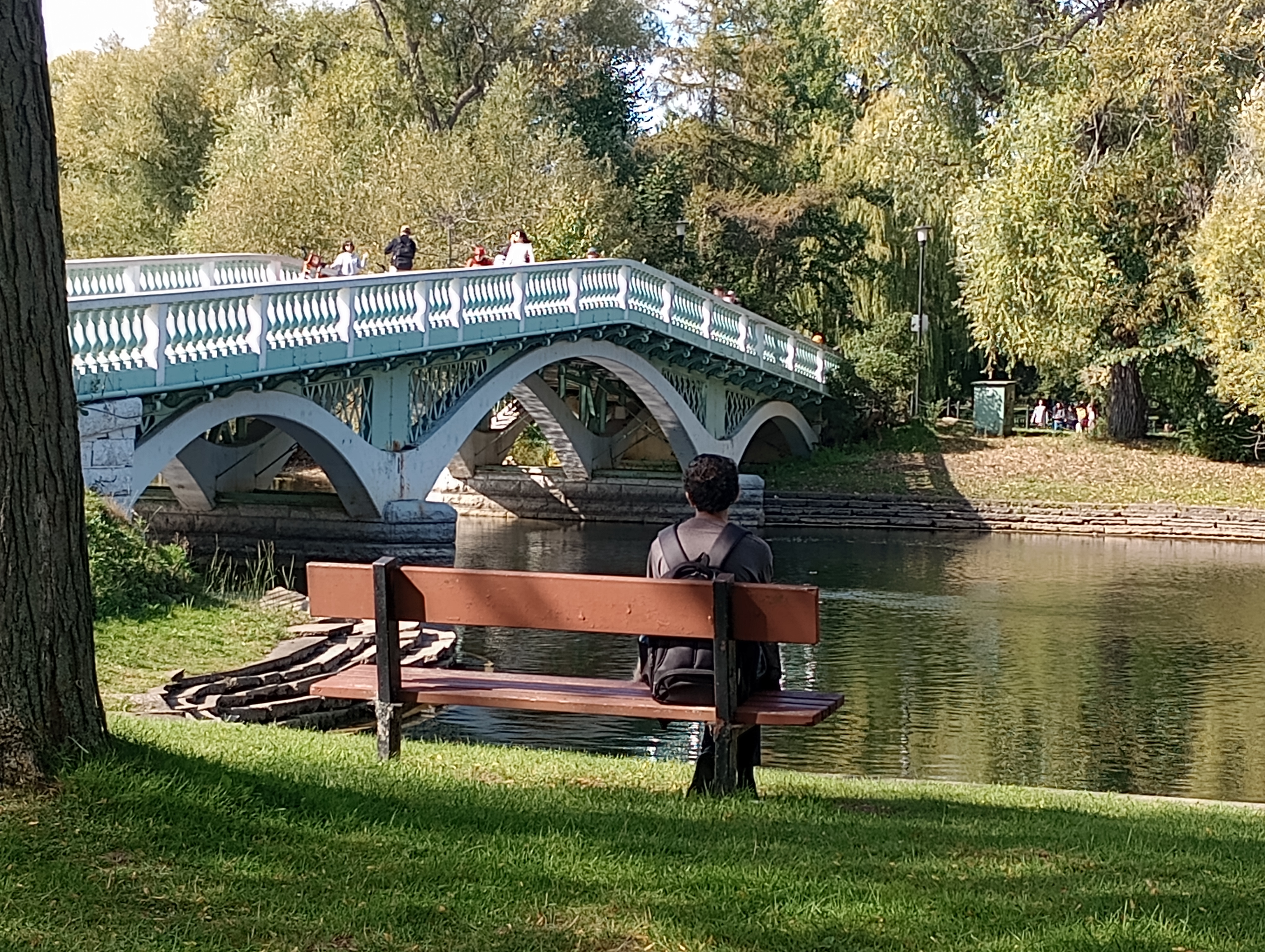
GALLERY-SOME WALKS AND THINKING PLACES-2025

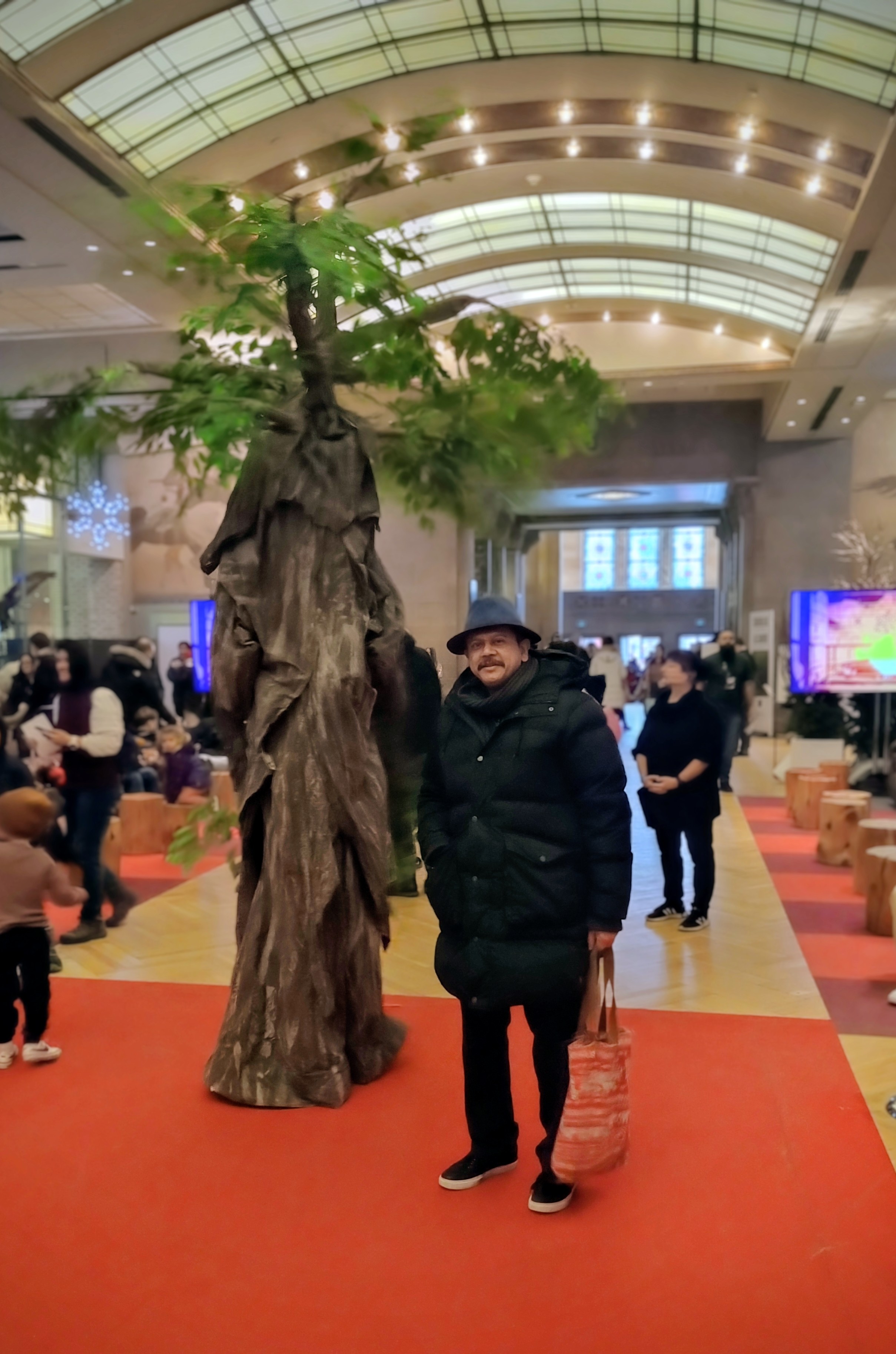
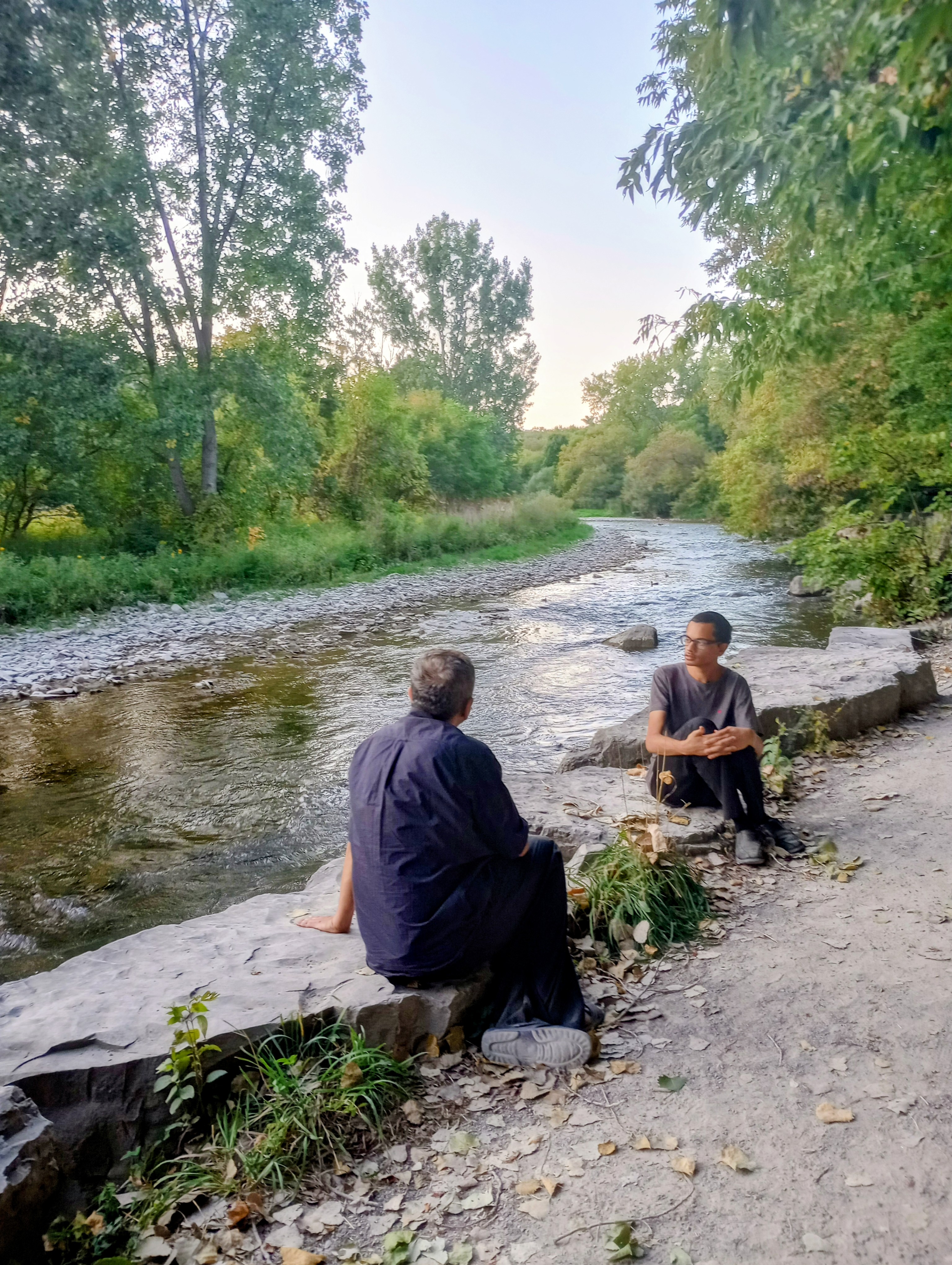
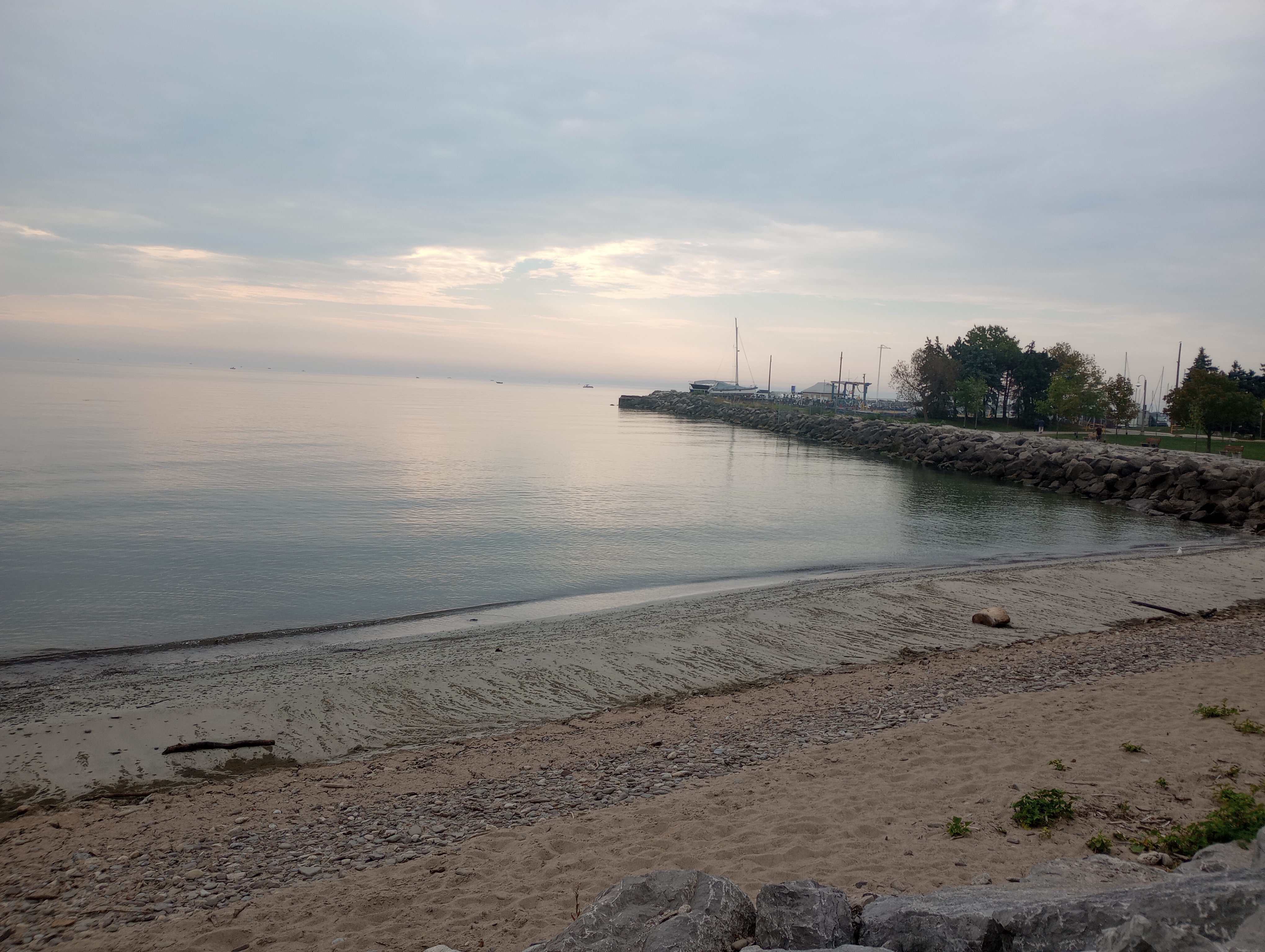
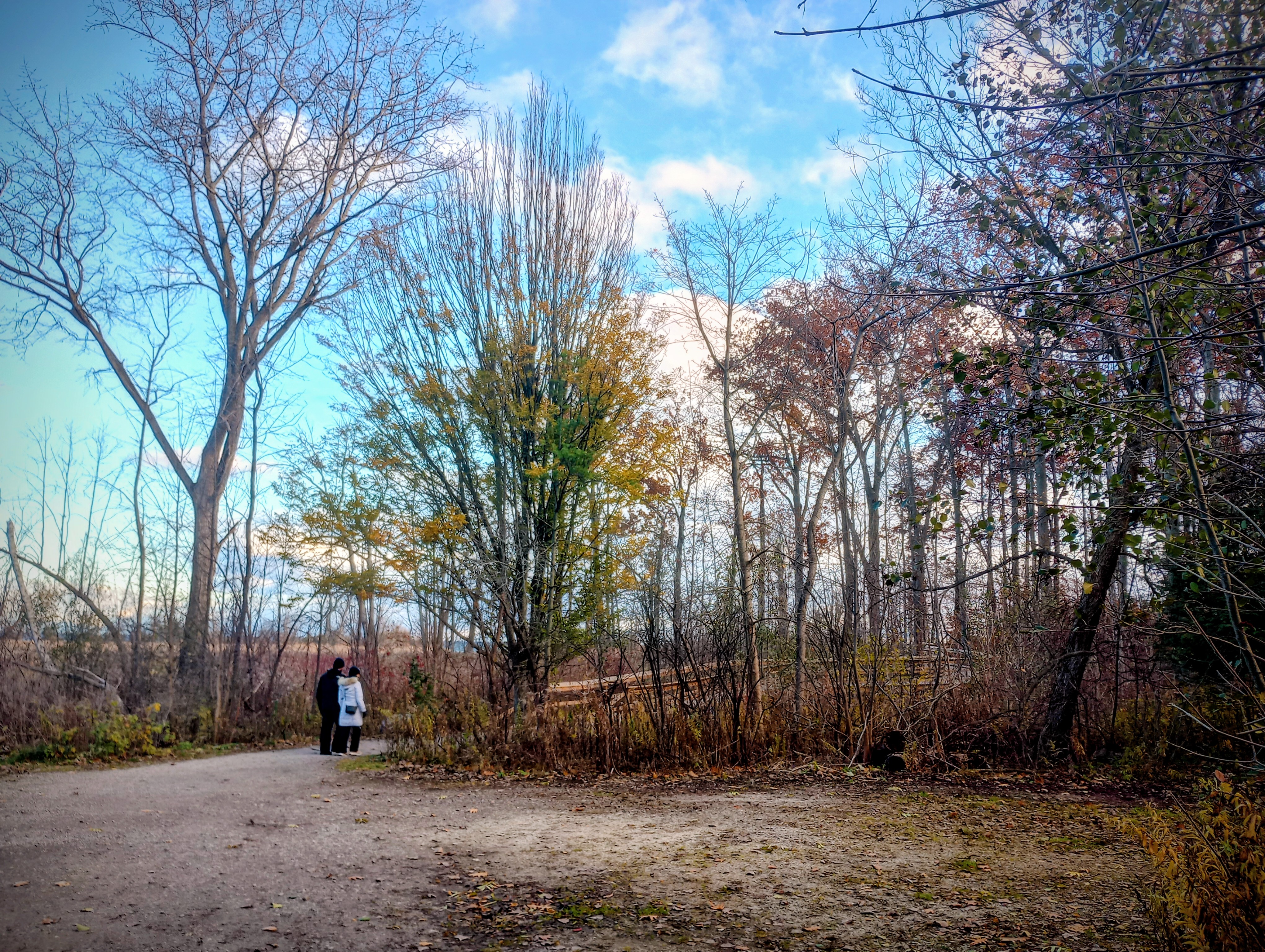
Exercise – what elements are seen in these pictures (earth, water, wind, fire, anything else)

In Next Blog- will examine some Photography from Wildlife photography of the year-2025 at ROM and see how the interaction of humans with nature, other species and the planet is a driving force for the exhibits and a point for growth.

EARLIER PERSPECTIVES

ROM WALKS-2014- A TWO HUNDRED YEAR WORK TABLE-1815

The work table was a piece of furniture used specifically by women who would group around it to sew, do needlework or play games. The work table also had a more personal purpose , as in this example which is fitted with an adjustable writing board. It is a reminder of the lost art of personal writing where, through letters, diaries and journals, women contributed greatly to the preservation of memories of the past

Work Table- Thomas Nisbet 1777-1850

Saint John, New Brunswick- Maple-Mahogony silk-1815

Sigmund Samuel Trust

Royal Ontario Museum, 100 years

See blog 2014-200 year Work Table

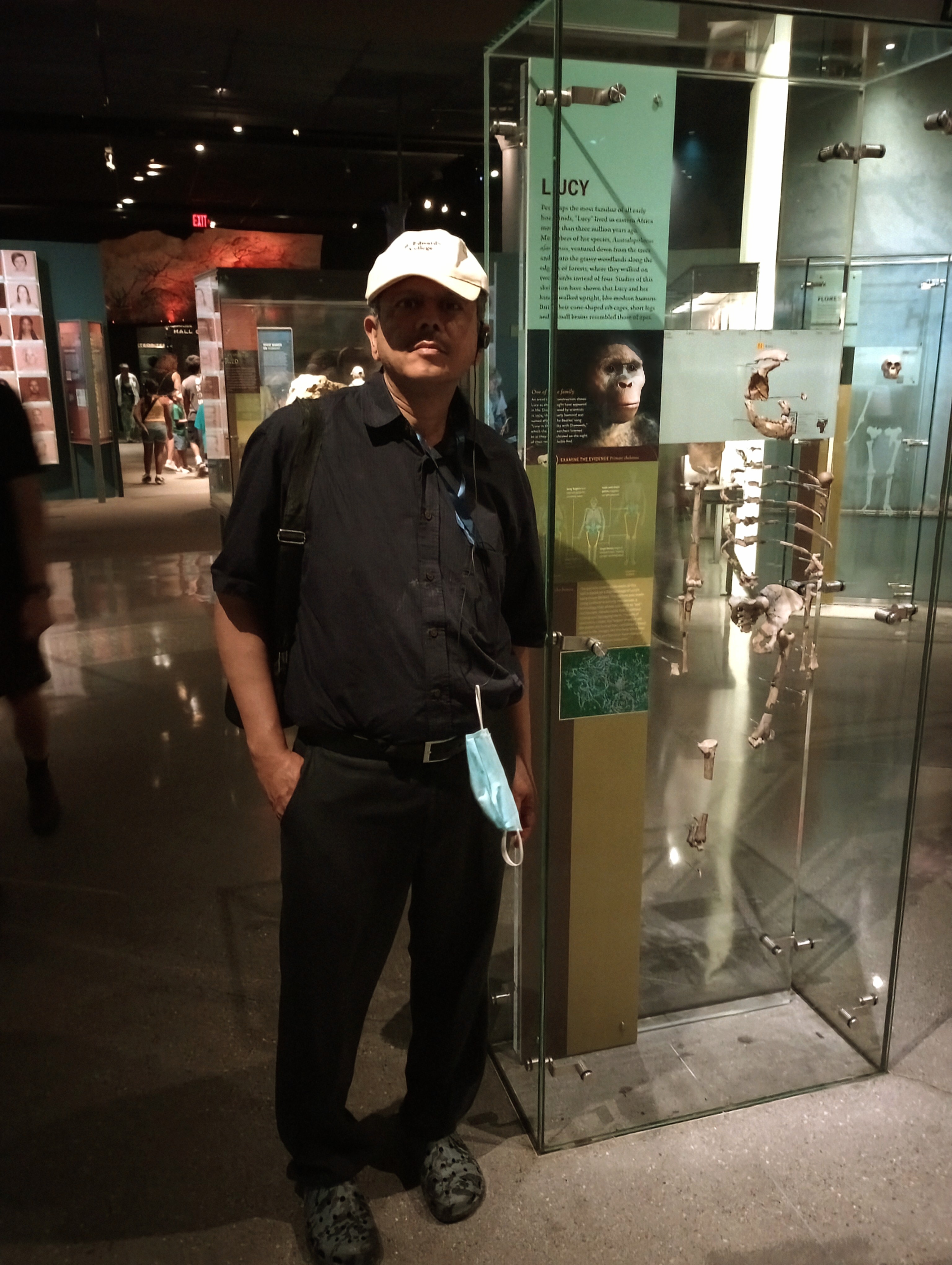
EARLY RUBENS-2019-ART GALLERY OF ONTARIO

WORKSHEET
Posted in life | Tagged , , , , , , , , | Leave a comment

Walking Through Time- Year End Journal-2025

In this blog, I look back at some entries of my diaries and journals, discuss how walks, naturalists, and reading groups helped me shape the year and give a worksheet for exploring local fauna and flora and local histories.

I remember the grade 12 science project which I made in Delhi-1985, when I passed out of Army Public School -Dhaula Kuan- in which I studied the plants of the Ridge of Delhi. After reading and discussing Kevin Fedarko’s book- A walk in the Park- went for a walk through some conservation areas like Riverwood, Rattray Marsh, Bronte creek, Niagara with an eye for geological time.

Journals of a Walk

Reviewed notes of walks and discussions 10 years ago in Tripoli, Libya and read again the works of Robin Sharma (RS) on the difference between a journal- where one can reflect and refine rather than a diary-which may just be a log of events

See Blog 2015 

DIARY VERSUS JOURNAL

In “Who will cry when you die” the writer-speaker Robin Sharma tells about the difference between a diary and journal. A journal he says is one of the best personal development tools one can have. In this private space, one can reflect and refine on what we do, why we do it, and what lessons we have learnt.

In the walks of this year, I went into consciousness of geological time, cosmic time, and related it to the plants, animals and development of the Riverwood Conservancy Area, after reading Kevin Fedarko’s book- A Walk in the Park which was discussed int the Book club of Frank McKechnie Centre Library in December.

Walking through Time

“ I saw that by going down that huge fissure in the face of the earth, deep into the space and the silence and the solitude, I might come as close as we can at present to moving back and down through the smooth and apparently impenetrable face of time” Colin Fletcher’s words -in The Man Who Walked Through Time- (1968) describes his journey through the Grand Canyon in 1963.

The book Walk in the Park by Fedarko, goes into the way other explorers went down the Grand Canyon, and the influence of Major John Wesley Powell-1869 to explorations by Colin Fletcher in the 1960s and Kenton Grua in the 1970s and Fedarko in 2000/2010s.

The approach of Fletcher, Grua influenced Fedarko and made me also reflect on our own walks in some natural areas, and associations with volunteer organizations, art groups, theatre groups which have added many cultural nuances.

The Geological bedrock beneath Riverwood Conservancy (Established in 2002) originates from sediments of a vast, ancient inland sea around 445 million years ago (Ordovician Period). The Queenston Shale was later carved by the Ice Age Sculptor by the last continental glacier- the Wisconsin Ice Sheet-around 20000 years ago which deposited vast amounts of till- a mix of clay, sand, gravel, boulders creating the rolling hills. The Credit River was formed from the meltwater and the deep glacial Lake Iroquois was the precursor to Modern Lake Ontario.

The forest has matured into a mixed deciduous-corniferious ecosystem which is part of the Carolinian Forest Zone, with species such as Sugar Maple, Beech, White Pine, Hemlock and Oak growing into a dense forest with rich understory and abundant wildlife – such as Black Bear, Wolf, Elks, Passenger Pigeons.Walking through Riverwood- with sense of geological time and seeing the evolving ecosystems made me aware of some nuances.

The contribution of McEwan and Chappell Families in donating their lands to development of the ecosystem , the work of Riverwood Conservancy, added to my understanding of this area.

Some ecosystems, geological areas which we have seen in Southern Ontario are as follows

Quest for Adventure: Home Library Resources 

Fedarko’s book reminded me of “Quest for Adventure” by the mountaineer Chris Bonnington, which I added to my home library in Tripoli in 2004-in the annual fair of ISM International School -where I first met my friend and mentor Mr.Francis. 

In the book Bonnington lists the main adventures of the second half of the 20th century -which included Rivers-The Blue Nile, Deserts, Mountains-Everest, Annapurna, Space-Moon, Sea, the Poles.

  He begins the book by saying how this book resembles an expedition or voyage, an adventure of the mind. He goes into the what and the why of adventure, his own beginnings as it is only through one’s own experiences that one can analyze motives and feelings. It began with a picture book of the Scottish hills, picked up at the age of sixteen. In telling of this expedition of Annapurna-South Face-Big Wall Climbing in the Himalayas-1970, Bonnington goes into history and spirit of Everest Explorations. He goes into the antecedents of John Hunt-1953 Everest, Eric Shipton- who first went to Everest in 1933 in an expedition lead by Hugh Ruttledge and the tragic 1924 expedition where George Mallory and Andrew Irvine disappeared.

Earlier Perspectives-2019 On 50th anniversary of Man on Moon– we went through -First on the Moon- in which Bonnington goes into the presumptions he had about the personality of Neil Armstrong and how he found NA to be in many ways the archetype of what one images an astronaut to be- steady, conventional, phlegmatic and not over-imaginative, but as he talked to him- CB realized that Armstrong loved to fly as intensely as Bonnington loved to climb.

Born in 1930 at Wapakota, Ohio, he got his pilot’s license before he was old enough to drive a car, became a Naval Aviator in 1949, in time to serve in the Korean war where he flew 78 combat missions. 

Year End Notes-2025: Walking Through Time

This year, I re-joined the Book Club, (which I did regularly from 2017- till Covid lockdown). It helped me read new interesting books , have rich discussions and also mine my home library for old books collected over the decades – from India, Libya and other places.

These readings helped evolve my Mindfulness practices and see how walking in a park can also be a Walk through time.

EARLIER PERSPECTIVES-BOOK CLUB 2019

We learned to whisper almost without sound

                                                         Handmaid’s Tale-Margaret Atwood

  Why this Emptiness after joy?

             Why this Ending after Glory?

              Why this nothingness where once there was a city?

              Who will answer? Only the wind

             Which steals the chanting of priests

         And scatters the souls once gathered.

Hisham Matar  -The Return. 

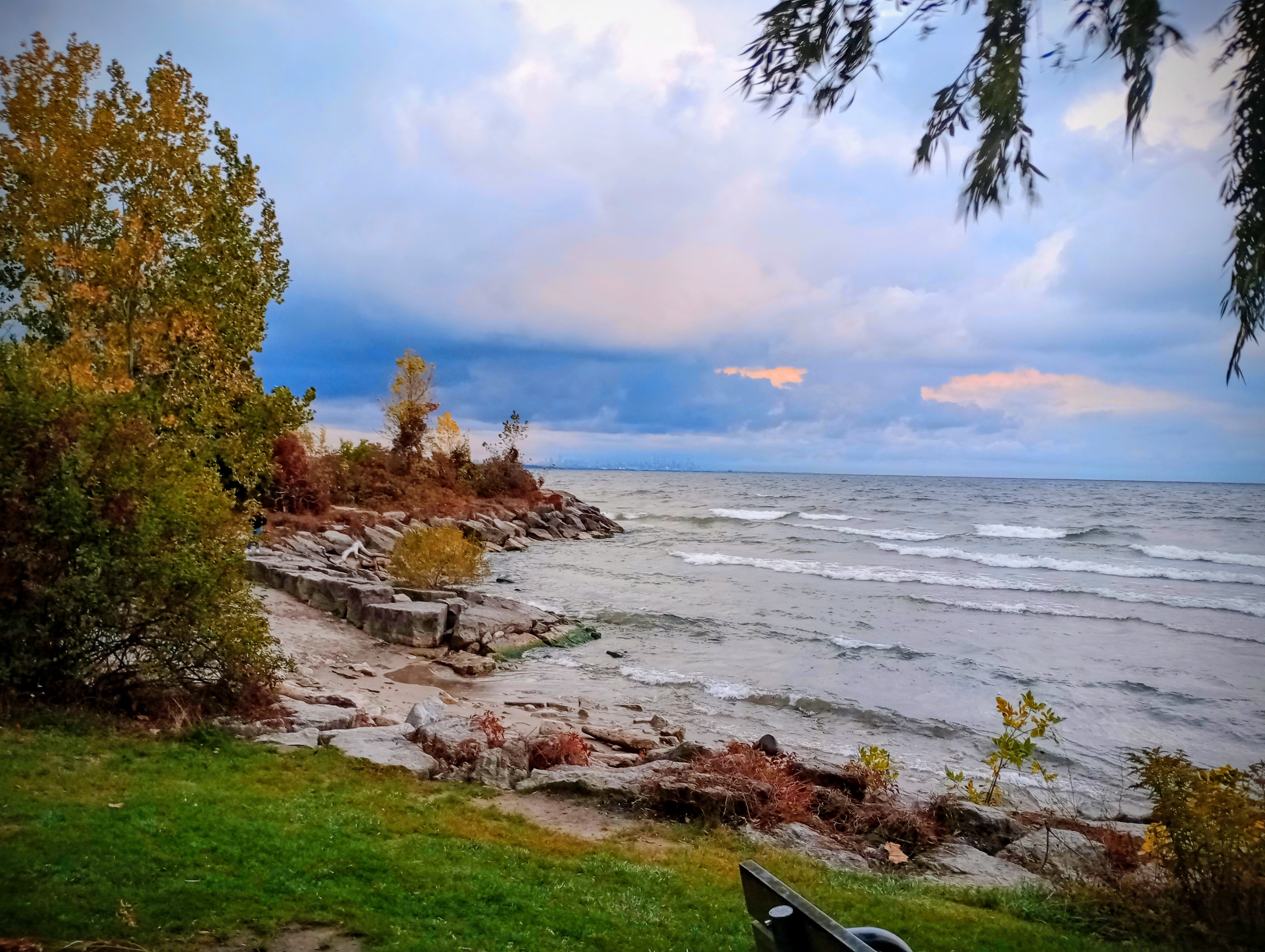
WORKSHEET- Mindfulness of Geological Time- some Local Histories of 50 years of Rattray Conservation area-Port Credit Mississauga , Bronte Harbour- Oakville and evolution of Burlington from villages of Wellington and Nelson- first post office established in 1826.

Posted in Learning, Parenting, Year End Journals | Tagged , , , , , , , , , , , , , , | Leave a comment

Etienne Brule Toronto – Memories of Kotla Delhi

EXPLORING IDENTITY THROUGH LOCAL HISTORIES

In this blog, we explore some local histories. I think about walks I had with my parents and family in Kotla-Delhi area in the 1970s. We go through local histories of Etienne Brule, Niagara Apothecary – established 1866 and Rattray Conservation Area-Mississauga-established 1975. I also present a worksheet to reflect upon and create thinking places

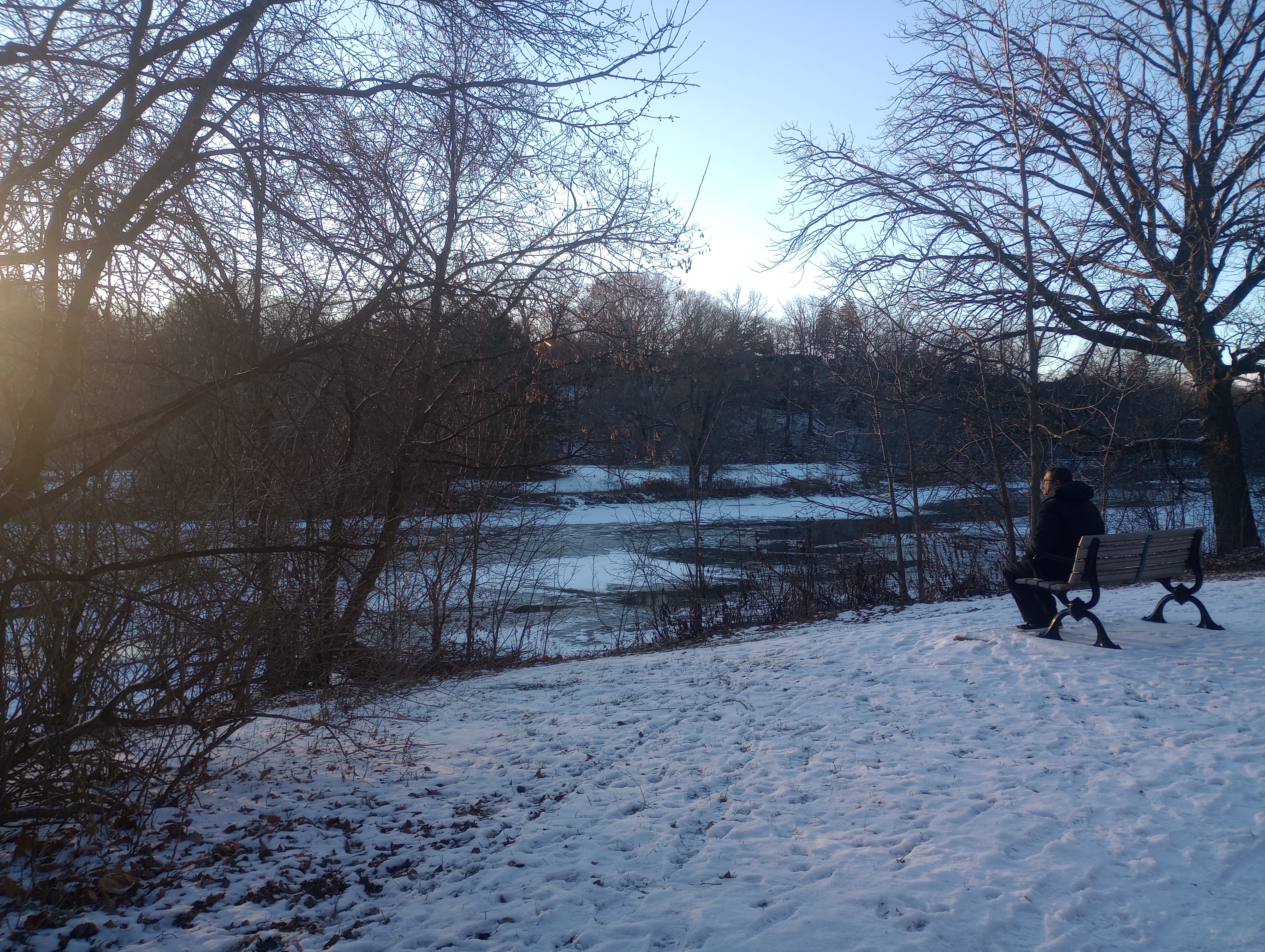
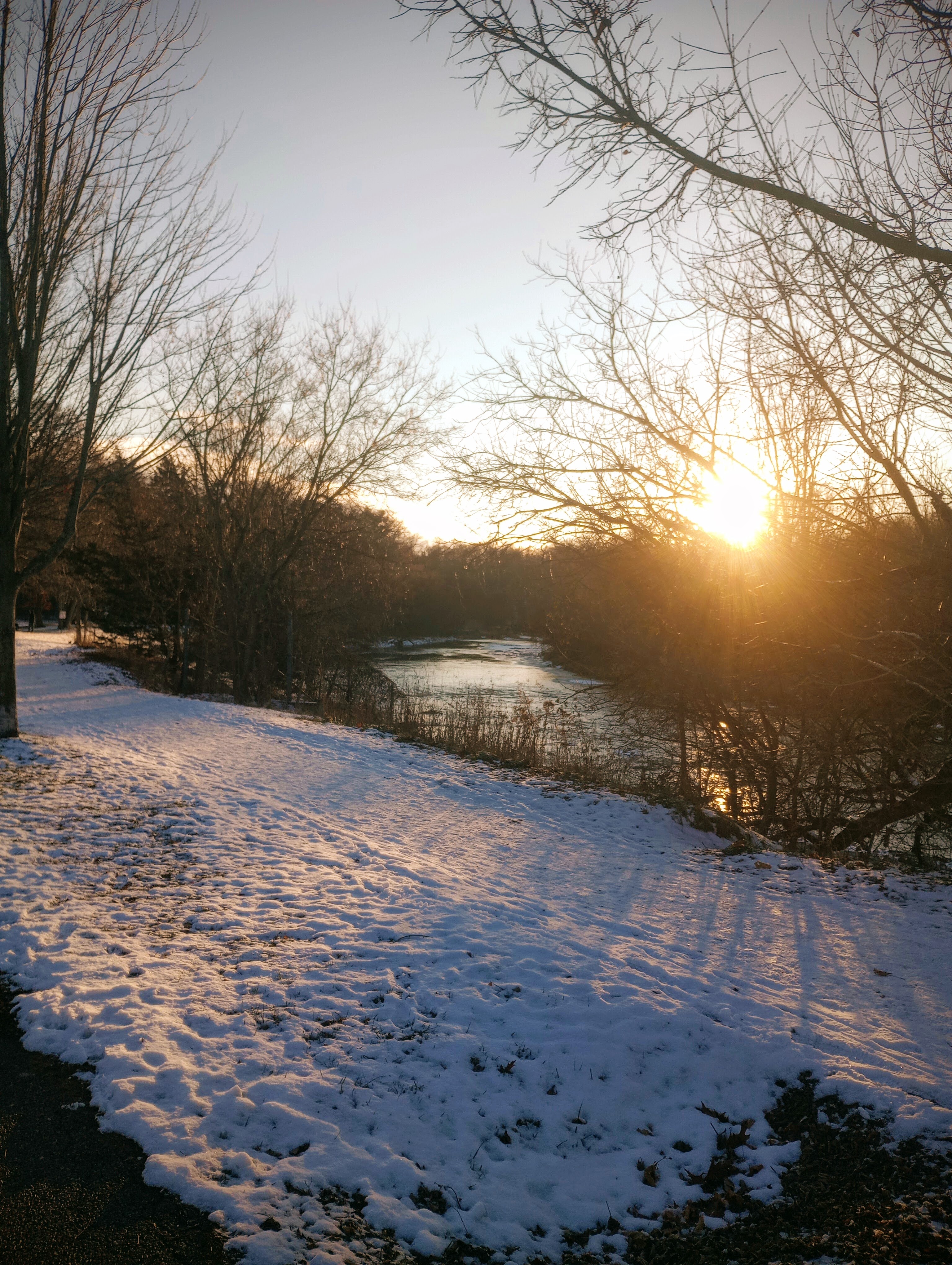
The last fortnight of November was hectic. After leaving Sagar at the airport, we went for a peaceful walk at Etienne Brule, Old Mills area. It is one of our thinking places. There is a Memorial Stone with these words of Robert Burns inscribed. 

Whatever mitigates the woes or increases the happiness of others

That is my criteria of goodness

Whatever injures society as a whole or any person in it

That is my measure of iniquity 

Over the past fortnight, we explored some areas of GTA – Greater Toronto Area. We also revisited Niagara Parks. We have now developed many personal memories with these places.

Old Mills Station: Remembering Edicts Parks as Thinking Places-Firoz Shah Kotla-Delhi-1980s 

Etienne Brule -Old Mills area has been a thinking place for many years. Examining local histories and relating them to immigrant narratives has been a quest for me since my college years. 

In Maulana Azad-Delhi days of 1980s, we used to go to the Firoz Shah Kotla Monuments and see how local inhabitants would pray at the 14th century mosque built around 1354. The Kotla complex in front of our college hostel and campus was a place for reflection. I would visit there with friends and family. The stepwell (baoli), the Ashokan Pillar, and lawns of Kotla helped me integrate periods of my childhood walks with my parents and family in the Sahyadris -1970s and Himalayas-1970s-1990s.

Ashokan Pillar of 3rd century-Shifted by Firoz Shah in 14th century

The Ashokan pillar was originally erected around 3rd century BCE at Topra village near modern Ambala in Haryana. Sultan Firoz Shah Tughlaq ordered the pillar to be moved to Firozabad around 1356. It was installed atop a three-storey pyramidal structure within the Kotla complex. It bears Ashoka’s famous Sixth and Seventh Pillar Edicts. These edicts elaborate on his personal commitment.

They also describe administrative measures to promote Dhamma (Sanskrit: Dharma), his concept of moral and social law.  They present Dhamma as a universal ethical code. It is essential for social harmony, good governance, and personal spiritual progress, not as a sectarian religious doctrine.

Ashoka was a devout Buddhist in personal life. As an emperor, he promoted secular moral philosophy for governance. His message found resonance. Thus, Firoz Shah installed the pillar in his capital. This monument uniquely combines the thoughts of Ashoka from the 3rd century BC. It also reflects the histories of Firoz Shah from the 14th century.


Core Principles of Dhamma Outlined in These Edicts

Principle (Pali/Sanskrit Term)Meaning & Application
Non-violence (Avihimsa)Respect for all life, restrictions on animal slaughter, and promotion of vegetarianism.
Obedience (Susrusa)Respectful obedience to parents, elders, teachers, and rightful authority.
Liberality (Dana)Generosity towards Brahmins, ascetics, friends, and the needy.
Truthfulness (Sachikichcha)Speaking the truth and maintaining integrity.
Purity of Heart (Bhava-suddhi)Cultivating inner virtues like compassion, kindness, and self-control.
ToleranceRespect for all religious sects and their freedom to practice.


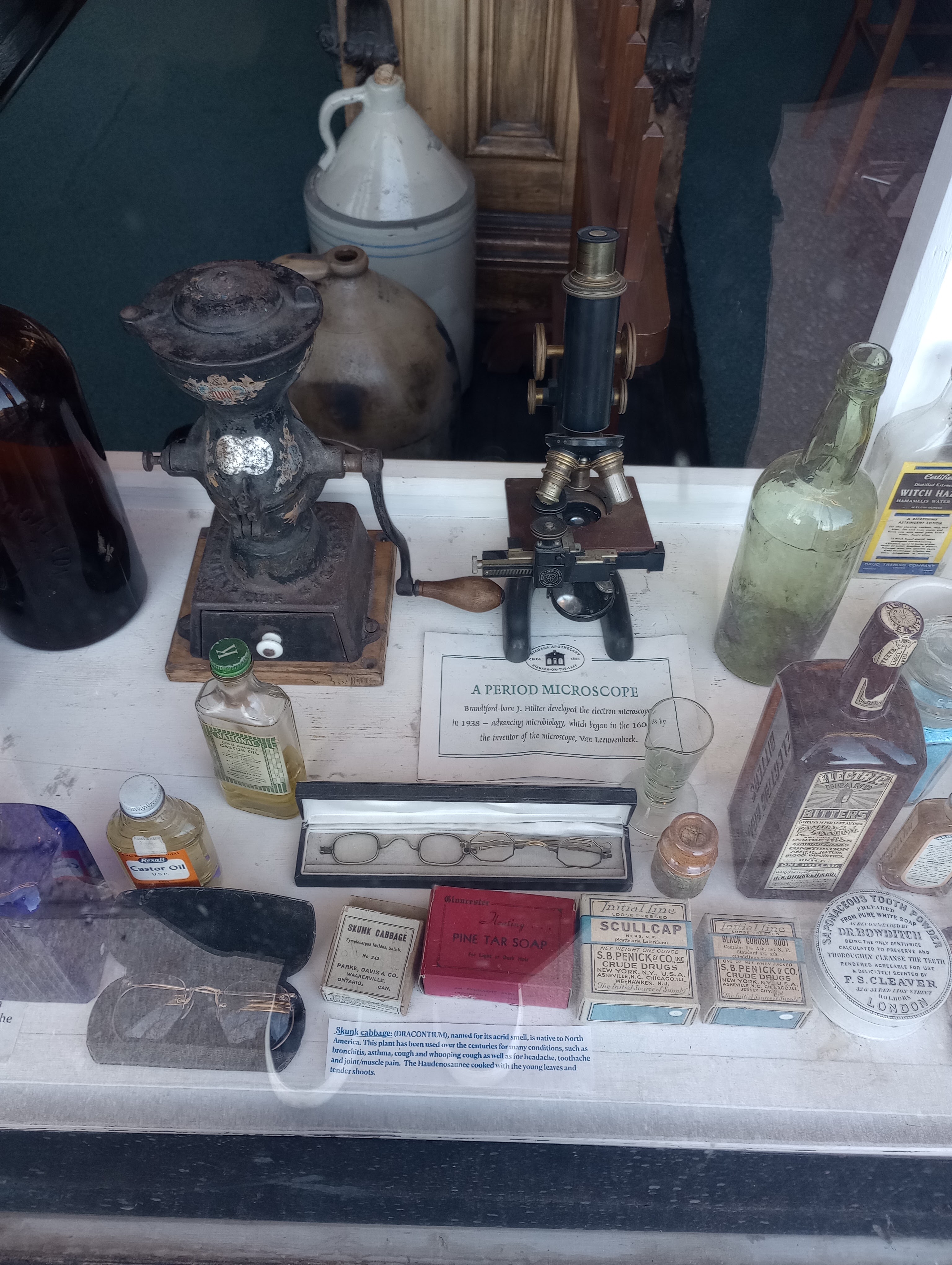
Local Histories- Niagara Apothecary

The Niagara Apothecary was established in 1866.
It is a preserved 19th-century pharmacy located at 5 Queen Street in Niagara-on-the-Lake, Ontario. The building itself dates back to the 1820s, but it officially became an apothecary in 1866 when it was purchased by a local pharmacist.
Theme: Examining Local Histories and Integrating them to our Identity and Journeys


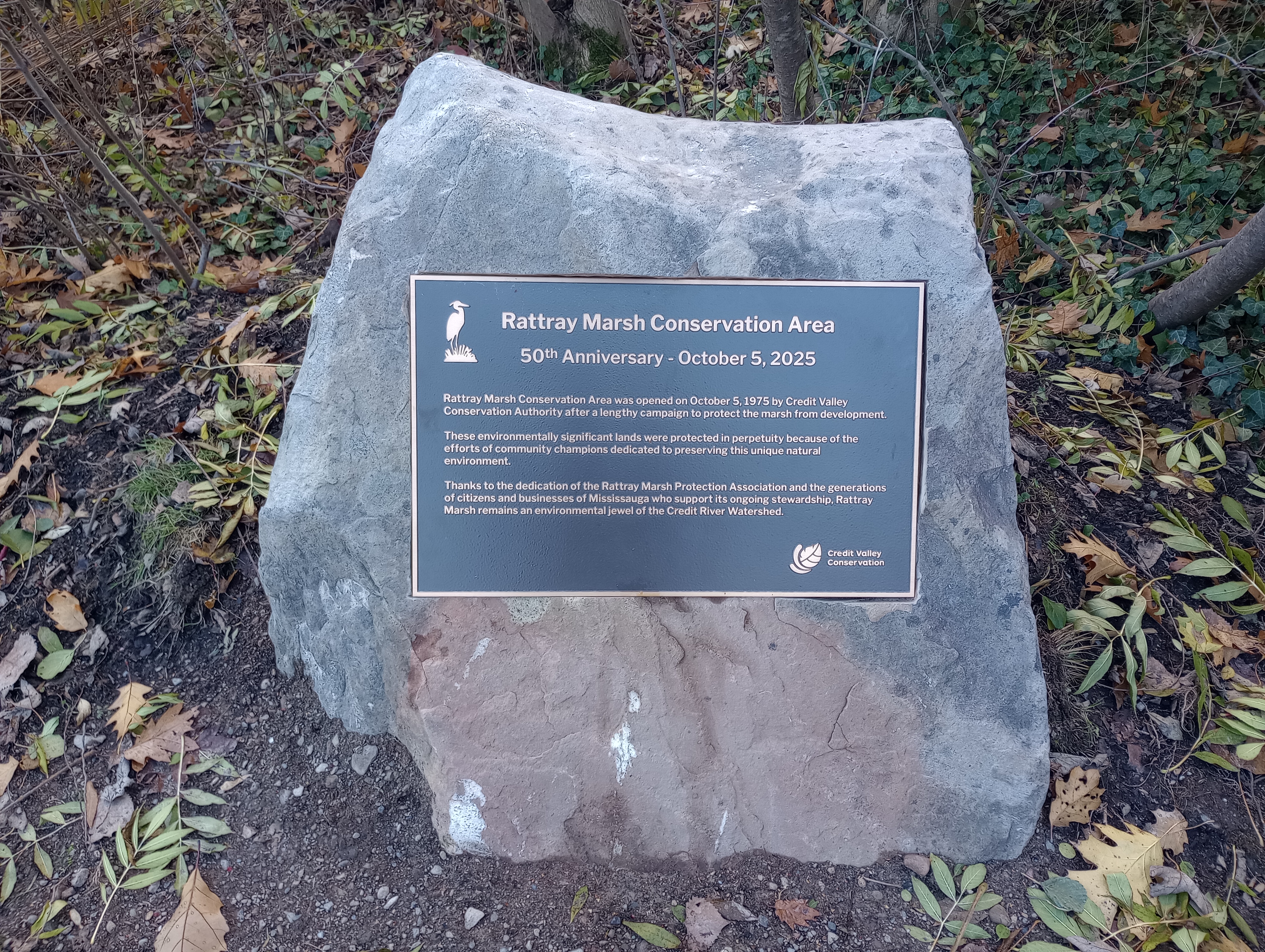
RATTRAY MARSH-CONSERVATION AREA- 50 years 1975-2025

 In 1967, concerned local residents, led by Dr. Albert and Barbara Reid, formed the “Protective Association of the Sheridan Creek Valley and Environs.” This group mobilized public opinion, conducted ecological studies, and lobbied governments intensely to save the marsh from destruction.

1972: The Credit Valley Conservation Authority (CVC) began acquiring key parcels of land.

1975: A decisive agreement was reached. The Province of Ontario, the CVC, and the City of Mississauga partnered to purchase the core 90-acre wetland and surrounding uplands, permanently protecting it from development.

Official Opening: The Rattray Marsh Conservation Area was officially opened to the public in 1976

BOOK CLUBS AND DISCUSSIONS: A WAY OF LIFE
My parents instilled the love of the written word in me. Going to Parks and developing them as Thinking Places started from the Hill Temples-Fortresses of Pune area in 1970s, evolved to longer walks in Himalayas- Shimla and Garhwal areas. In GTA area we went and prayed at Erindale and Richard Memorial – near the memorial trees installed in memory of my parents
Earlier Perspectives
2020 Discussions : Re-read the Reading Journal notes of Conrad’s – Heart of Darkness and the discussion of whether Conrad was a racist as some like Chinua Achebe say . This led us to -Things Fall Apart-  the book by Achebe in which Okonkwo struggles with the legacy of his father – a shiftless debtor fond of playing the flute – as well as the complications and contradictions that arise when white missionaries arrive in his village of Umuofia.
A time to connect- with my sons.
We went through the Extended Essay he wrote in 2016-17- in which he compared “Handmaid’s Tale” of Margaret Atwood-1985 to “Jane Eyre” of Charlotte Bronte-1847.
See blog  –Letters and Journals 2020

Remembering Kotla at Etienne Brule

After a hectic week, we walked to the memorial stone of David Dryburgh Birrell. We read the words of Robert Burns there.

Whatever injures society as a whole or any person in it

That is my measure of iniquity 

Those inscriptions of Kotla Delhi say something similar.

Worksheet for Reflection

Posted in life | Tagged , , , | Leave a comment