Skype parenting?

Recently I was having a conversation with a friend over skype. He, like me, is living and working in the Arab world. He has a son, who is as old as my younger son, and we were discussing notes on the issues of studies. “At least I am not failing in class and am not at the bottom,” his 12 year son told his father over skype when he was urged to study a bit more diligently

In the global market place, one may not find the right position in one’s field of work in the right place. Where these work factors are met, it may not be good for the educational and cultural development of the child. So, each situation being different, many parents, weighing the different complexities make the choice of visiting their children once in 3-4 months and rest of the time, may be dependent on skype

What can be the possible strategies to develop a bond, from a distanc

Here are some of the activities I felt were useful

Keeping a joint journal
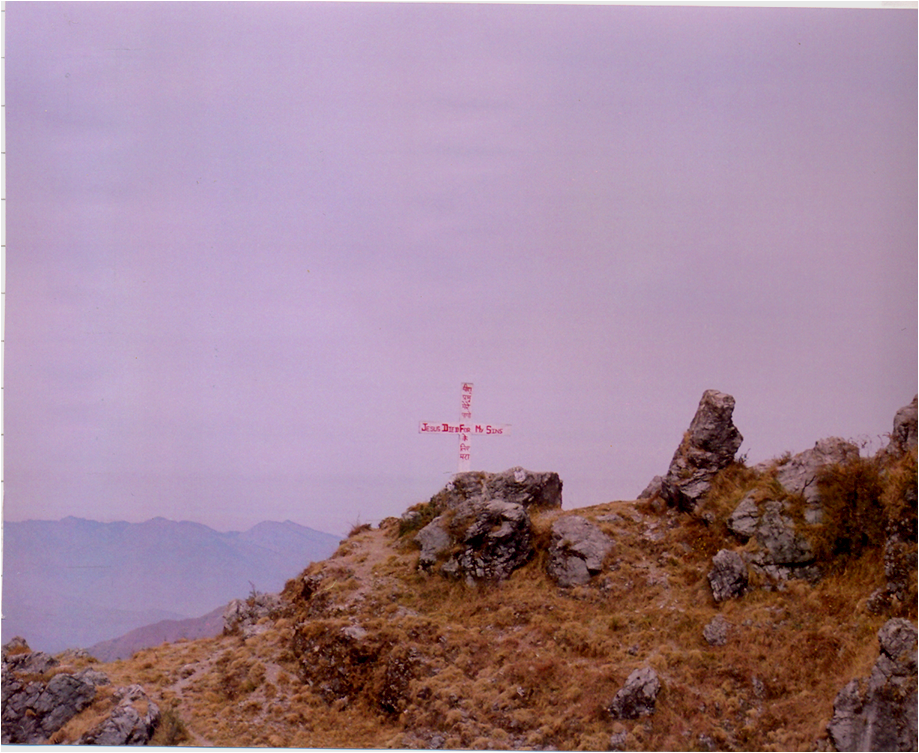
Jesus Died for our sins-Cross in Landour, on way to Lal Tibba, Mussoorie

Jesus Died for our sins-Cross in Landour,
on way to Lal Tibba, Mussoorie.India
If one has a project of “Family Magazine”
and Joint journal then such photographs can
give a very interesting base.
This cross in Landour is seen while walking to
Lal Tibba, past the house where the great writer
Ruskin Bond lives.
It is a pilgrimage to go to these hills.

Keeping a joint self-reflective journal in which there will be joint notes on experiences can be a useful device. Reflection on my first day in school, made my sons more focused on what they have to describe. The comparative section of the question –answer part of the journal made them reflect on the similarities and differences between different schools they have been in. One can make them compare libraries or play-grounds, conversations and situations.

 Having shared memories
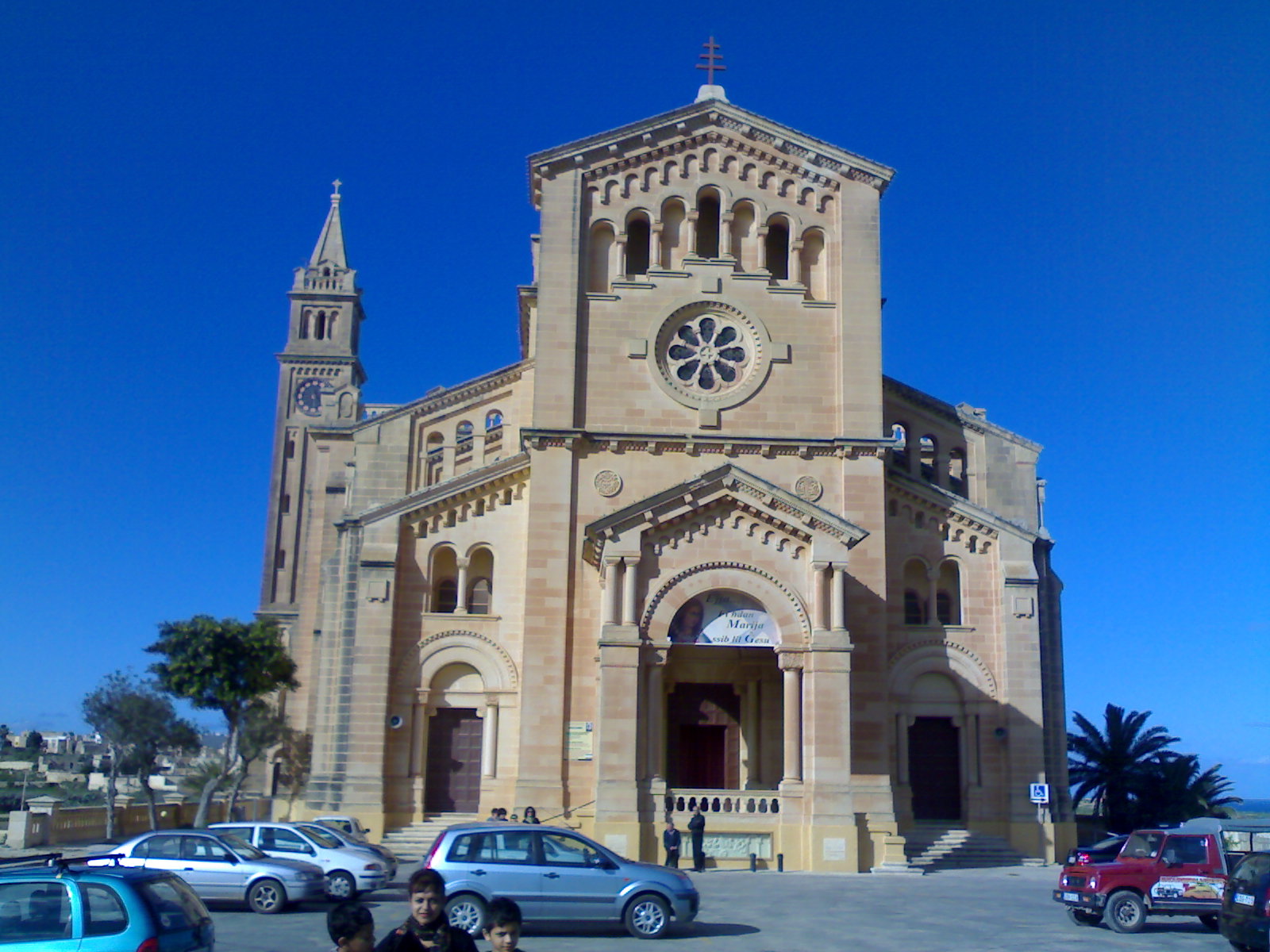
Ta pinu sanctuary-Gozo
is part of the spiritual map of this sister
island of Malta.
Gozo ‘s Megalithic temples of Gjantija
are the oldest standing structures
known to man

Having a photo-archive in a systematic, year wise manner and going through these regularly makes them form a sense of joint team work

If you grow separately, you grow apart” is an adage which one has to work upon to keep the sense of group.

A Pet
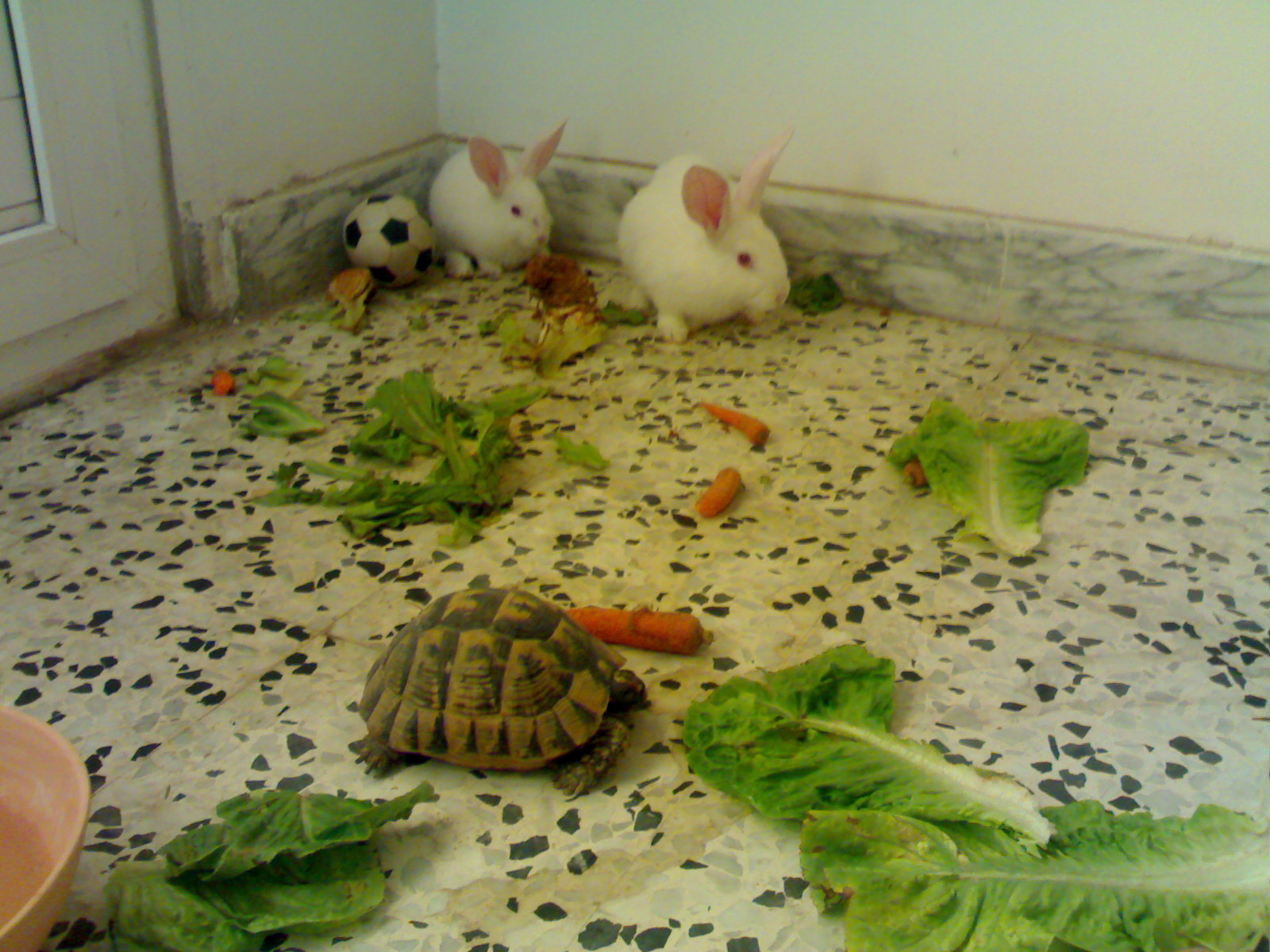
Rabbits-tortoise.jraba.tripoli.1

Rabbits-tortoise.Jraba.Tripoli.
The rabbits were shy, the tortoises
would come to us for feeding.
Each had their own personality

Having tortoises on my terrace opened a window of opportunity to link in a different way. The boys enjoyed playing with them and even built some interesting stories in a fictional place which had the tortoises as the main persons organizing the show.Man’s best friend, -a puppy- can be a storehouse of many common memories

 The school newsletter
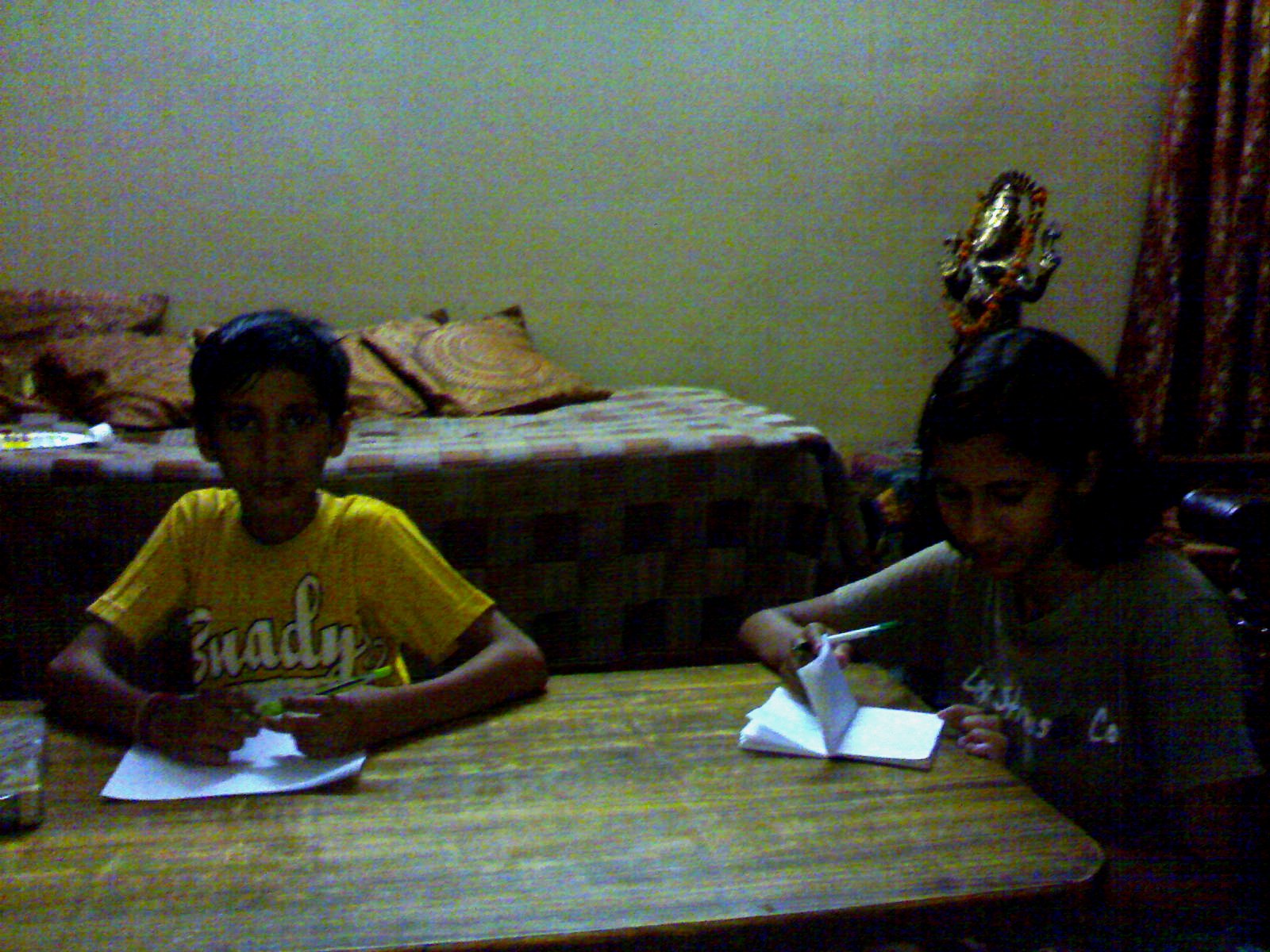
Divya and Mayank- Jasola -Delhi Making notes together-Writing Joint diaries,
reflecting on visits to Jim Corbett National
park, the visit to Mussoorie-reading Ruskin Bond’s
“Panther’s moon” and remembering the Aarti
at Ramjhula Rishikesh where the
environmentalist Sunderlal Bahuguna was also
present the day the children attended

Keeping in touch with the school newsletter can give one good insights into the different projects in the school where the child is studying. The environment, art, debating society projects, school sports reports and visits by professionals and prominent personalities provided a link to the goings on in the school, all of which may not be conveyed by the child.

A family newsletter

A memorable evening at Lodhi colony-Delhi
Family Newsletter-paintings by Nirmal Bhabhiji’s
sister, a graduate in Fine Arts from Delhi.
As we sat in Lodhi gardens, sipping tea
and discussing the influence of
Company school on Indian art,
she took out some very interesting
original paintings gifted to them
by her sister…

Having an extended family newsletter project, of the visits and trips with cousins and uncles-aunts can generate a sense of group

Writing about these, and then comparing them, or making picture-video archives and sharing them can be a way to seek alternative opinions within the family and have a sense of greater whole.

–         – –

In the global work-place, long distance parenting is a reality. Some people pooh-pooh this idea and tell that the connection cannot be there. However, working on some of the above resources and fronts, one can develop a sense of joint work and bonding.

Do you have any related experiences and would like to share
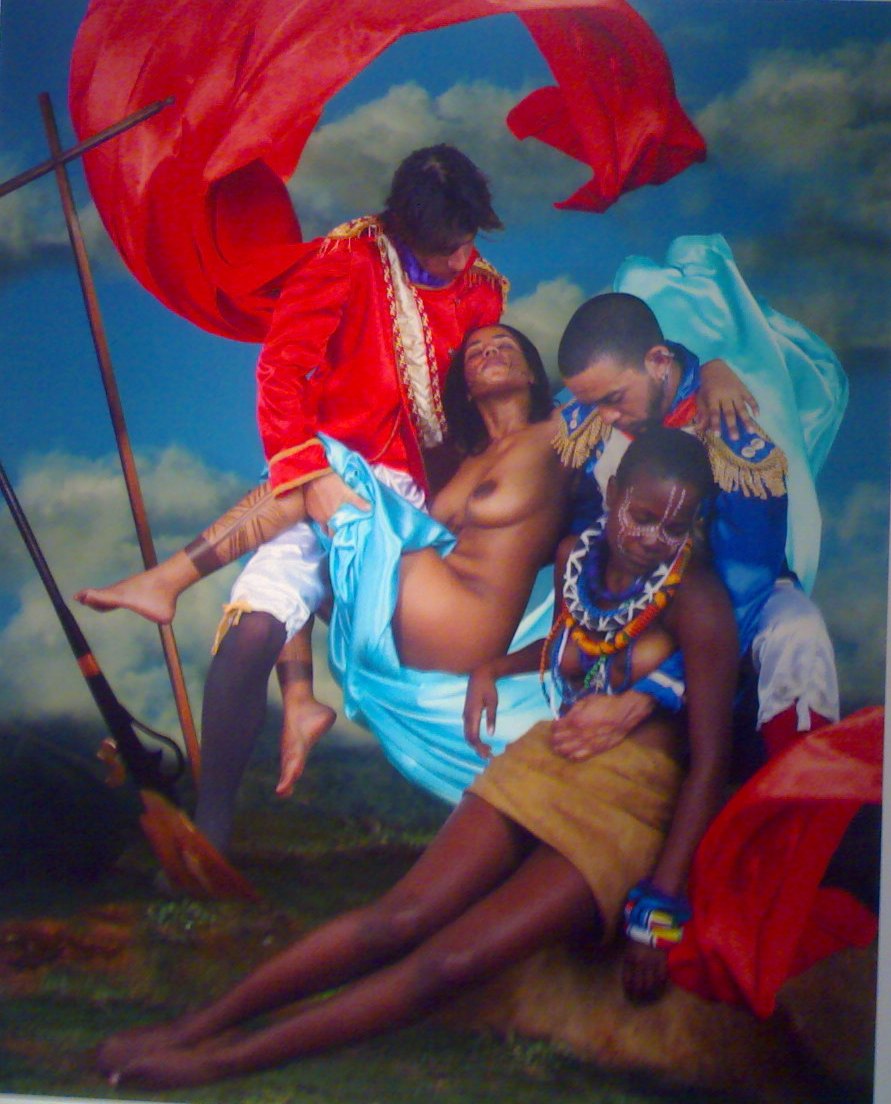
Posted in Diary, life, Walks | Tagged , , , , , , , , , , , , , , | 10 Comments

Rastafari-some conversations on identity


On the occasion of 50th year of Jamaican independence, we saw an interesting exhibition and attended a meeting of artists and diaspora , mainly from Jamaica, which lead to discussions on the aspirations and impressions of the present generation as they looked back on the past half a century.

“They were a very talented generation, who gave a lot to their people. And none of them died rich” one veteran summed up the struggles and spirit of sacrifice of the generation who fought for Jamaican Independence to a generation of mostly Canadian Jamaicans who probably did not have much first-hand knowledge of the struggles or their home country, having stayed in Canada for long.

Rastafari

-The curator Veerle Poupeye did well to bring out some interesting visual art pieces and introduced the concept of Rastafari

   “While the nationalist school had already consecrated aspects of the popular culture as the definite core of Jamaican culture, they had treated this popular culture as subject rather than as a source of ‘legitimate’ art in its own right. This, too, changed in the 1960s, when popular cultural expressions became more publicly assertive and gained national visibility and recognition.


  It is in this context that self taught, popular artists such as Mallica “Kapo” Reynolds, a Zion Revivalist leader and Everald Brown, an exponent of religious Rastafari, came to the fore and in both instances, their work was directly related to their religious beliefs and practices

By the 1970s , when the new political radicalism gained more mainstream support, Rastafari had been recognized as a defining aspect of contemporary Jamaican culture, most notably in the field of music, but also in the visual arts and culture, and it remains as a central part of Jamaica’s visual identity to the present day.”

Links and Multiculturalism


The exhibition and discussion reminded me of discussion which I once had with the Maltese guitarist Tony Pace on the Piedmont Blues guitar tradition which originated in West Africa and found its way to the Americas and the expressions of writers like James Baldwin, Zora Neale Hurston who wrote about the folklore of the working people of America. Traveling gives one exposure to these trends and I thought of another exhibition in Delhi’s National Gallery of Modern Art- In the seeds of Time where  evolution and impact of European realism on Indian art has been dealt with.

Remembering conversations with the Maltese guitarist and teacher Tony Pace

He acknowledged that Maben had taught him well.

and then he handed me a magazine which told of the Piedmont Blues

guitar movement

..of the Cultural historians who connected the African-American context

of the blues form and the connection between the West African finger

picking techniques brought to America by slaves and the Piedmont style

that developed from them.

https://prashantbhatt.com/2010/10/29/walks-in-malta-agai/


Questions and discussions

The meeting asked some interesting thought provoking questions and some younger artists came up with very interesting answers.

The organizer had asked the viewers to write about their impressions of any one piece of art.

“Is my opinion really valid as I do not have much first hand knowledge of Jamaica?” one sensitive young artist probed.

An interesting afternoon, summing up the post-colonial worlds quest for identity

Posted in life | Tagged , , , , , , | 1 Comment

Mint tea in Tripoli.

So Life is.

 We sipped Mint tea at the sea front in Tripoli and had a lovely walk in the breeze.

 For the past two months, I have been keeping a joint journal with my sons-Sagar and Sahil as we travelled from Malta to India and then after some discussions decided to take the trip to Canada. Keeping a journal is a good way of being connected. As we saw the different shapes of the journal, and I told my sons to suggest themes for a family magazine, Sagar wondered if our family has enough activities and scope to make a magazine. As we sorted out some memorabilia and notes, photographs and pamphlets, set up some paintings and art works ( a mask from  his school in Malta earlier this year April 2012, a pelican feather from the zoo in Tripoli in 2009, a Sriyantra which I acquired from Rishikesh in 2006 and have carried and kept with me in Tripoli, Malta, Mumbai, and now Mississauga to name a few artifacts collected and carried.) he knew that if worked upon, we could have a lot of themes to write about. We did so, in our own ways.

As I sit and have mint tea in Tripoli, discussing with some other expatriate workers the nuances of life in “Free Libya” after the elections, having been away from Libya for almost three months, the joint journal comes back to me as a living vehicle of our work together.

In coming days, we will together revisit some interesting discussions-experiences we had, which we have recorded in our joint journal.

As we sipped Mint tea in the department in Tripoli, many old associations came to mind.

Cycles-Immigration and Generational, relations-transactional and transformational.

 After an interesting week of work, three long term expatriates sat together and one veteran summarized the issue of immigration cycle beautifully by focusing on the “Generation Cycle.” By changing the focus of discussion, he brought out an interesting dynamic which saw the discussion go to issues of relations built within biological family networks, business organizations and between long time professional colleagues who having stayed together for long in distant lands develop links which they probably would not have developed in their home countries.

So Life is.

 As we walked on the Tripoli sea-side after having sipped mint tea in the breeze we saw the beautiful full moon. One year ago, it was not so safe to walk these areas. Things can be a bit uneasy at times even now. However, it is much better than before.

Why are immigration cycles created?

Studying immigration cycles of the different generations, going back to the 19th century when British took over some parts of India, to the wave of immigration in middle of 20th century when the colonizers left the Indian subcontinent, and the economic migration waves which started taking place in 1970s made one reflect on the growing affluence and clout of the diaspora in different parts of the world, in North America, Western Europe, Middle East,North Africa to name a few.

But coming to the Generational issue rather than the economics which drives these migrations, the issues of finding happy matches come back.

This reminds one of the opening lines of Tolstoy’s Anna Karenina –

Happy families are all alike; every unhappy family is unhappy in its own way.

Interacting generations

 As we returned from our walk by the sea and sat on the back terrace, the talk went back to how the generations perceive back home after having made their mark in the different parts of the world. I noted how one young spirited brother has a very distorted version of the Indian economy back home, as he translates his London-Birmingham of UK  realities to the hill economies of the tough undeveloped regions of Garhwal Himalayas of India. He wrote a long letter to me, and asked me to try to understand

“ Where I am coming from”.

It was interesting to read his aspirations, misconstrued as they may be (according to me..and I agree that I am not right all the time), but I wondered just two things

Should we try to give or take from our home countries

Instead of asking ‘where I am coming from’ it would be better to ask

‘in which direction are we heading.’.

 Interacting immigration groups.

 While the different immigrating groups share some realities, they also have differences and hence tend to keep to groups from their home countries. The Egyptians will tend to stay with fellow-Egyptians, the Indians with fellow-Indians, Filipinos with fellow-Filipinos. Professional interaction does make them intersect, but their festivals, foods, fun are all unique which they carry with them to whichever foreign land they may go to.

–          –  –            

Joint journals-Mapping our journeys together

  How do you keep a journal? One “teacher” asked me.  Having a personal diary or journal is different from keeping a joint journal. Some organizations have minutes. Some have a summary of the salient points. One of the ways of mapping our joint journeys together is try to seek the dictionary meanings of words we read  in a piece of literature. This I do with my sons Sagar and Sahil and though one thinks one knows the meaning of the word, when one reads the dictionary meaning and then re-reads the passage,  it gives a different meaning

 A passage we considered and discussed

  “ I think a certain kind of America is doomed, though something greater may be coming. The novelist and only the novelist thrives on breakdown, because that’s the moment when he can analyze the beauty of the values that are falling and rising. The end of a great civilization is always a great moment for fiction. When the old England at the end of the 19th century fell, along came Dickens; when Russia fell apart, along came Tolstoy. One looks forward to the fall of great civilizations because it gives us great art.

                                                                                    John Gardener

 As an exercise in reflection, we analyzed the similarities and differences of Gulzar’s “Angoor” and the original Shakespeare play – “A Comedy of Errors” on which it is based. Seen in the backdrop of what values are falling and rising (as mentioned in the passage of John Gardner above) and the immigration cycles, intergenerational and inter-group interactions opened many interesting discussions with my sons and some close colleagues who watch the generations shift.

 Transactional versus transformational relations

Routine life is spent in transactional relations.

There are some relations and interactions which rise above the mundane and transform.

These open windows into worlds and universes which one will normally not see.

As we see the rise and fall of certain values, note them down in our joint journals and see how we try to preserve our spirits in the rigmorale of national and international ‘rat-races’, we can take time to remember some transformational relations.

A pelican feather of a bird from Tripoli speaks its own language.

So life is.

 After an interesting week-end of walks, dinners, discussions, reflection and self-examination, having had mint tea by the sea-side, we return to have mint tea in our departments.

Many things come out, sipping Mint tea at Tripoli.


Posted in life, Walks | Tagged , , , , , , , , , , | 2 Comments