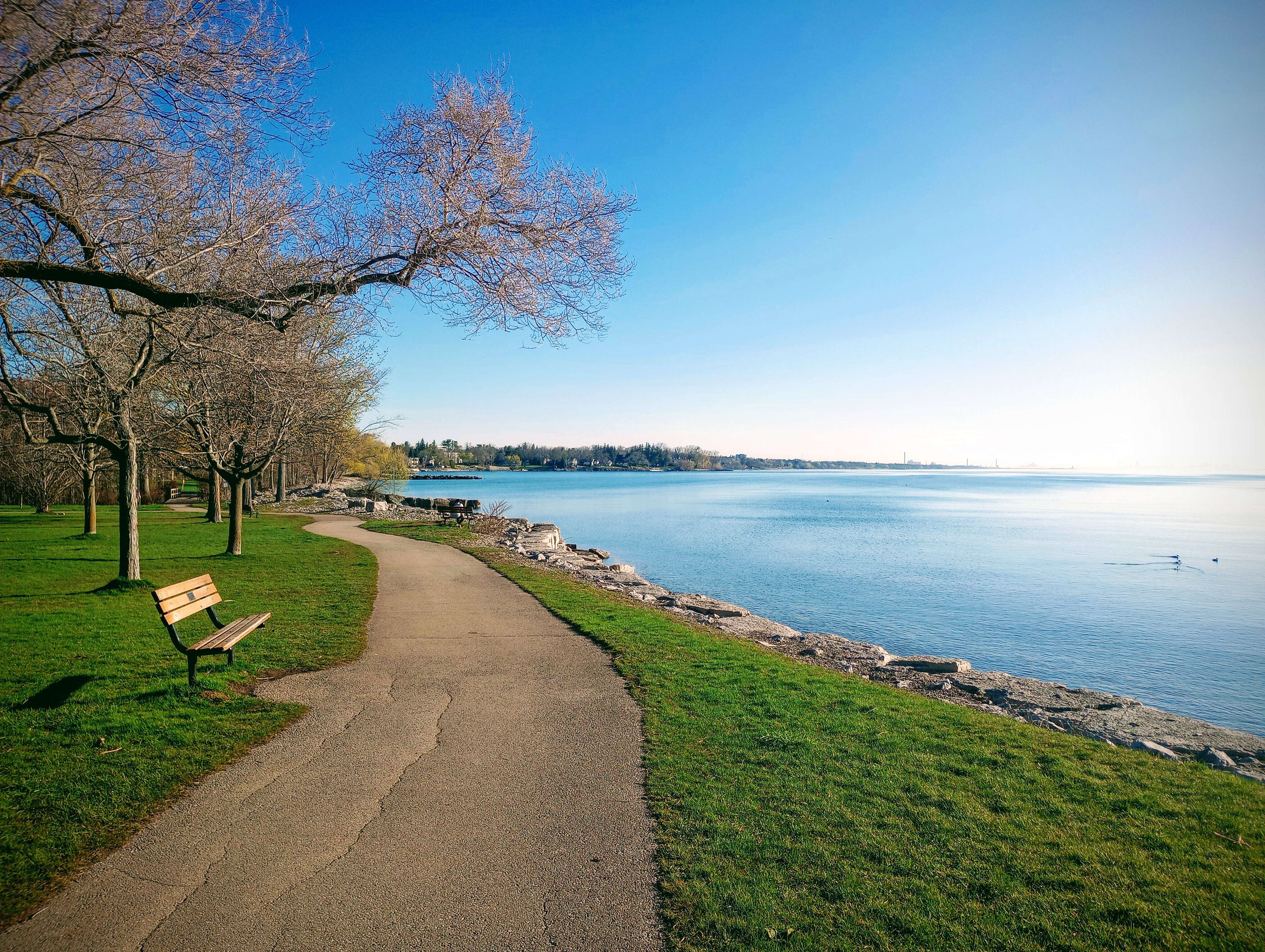
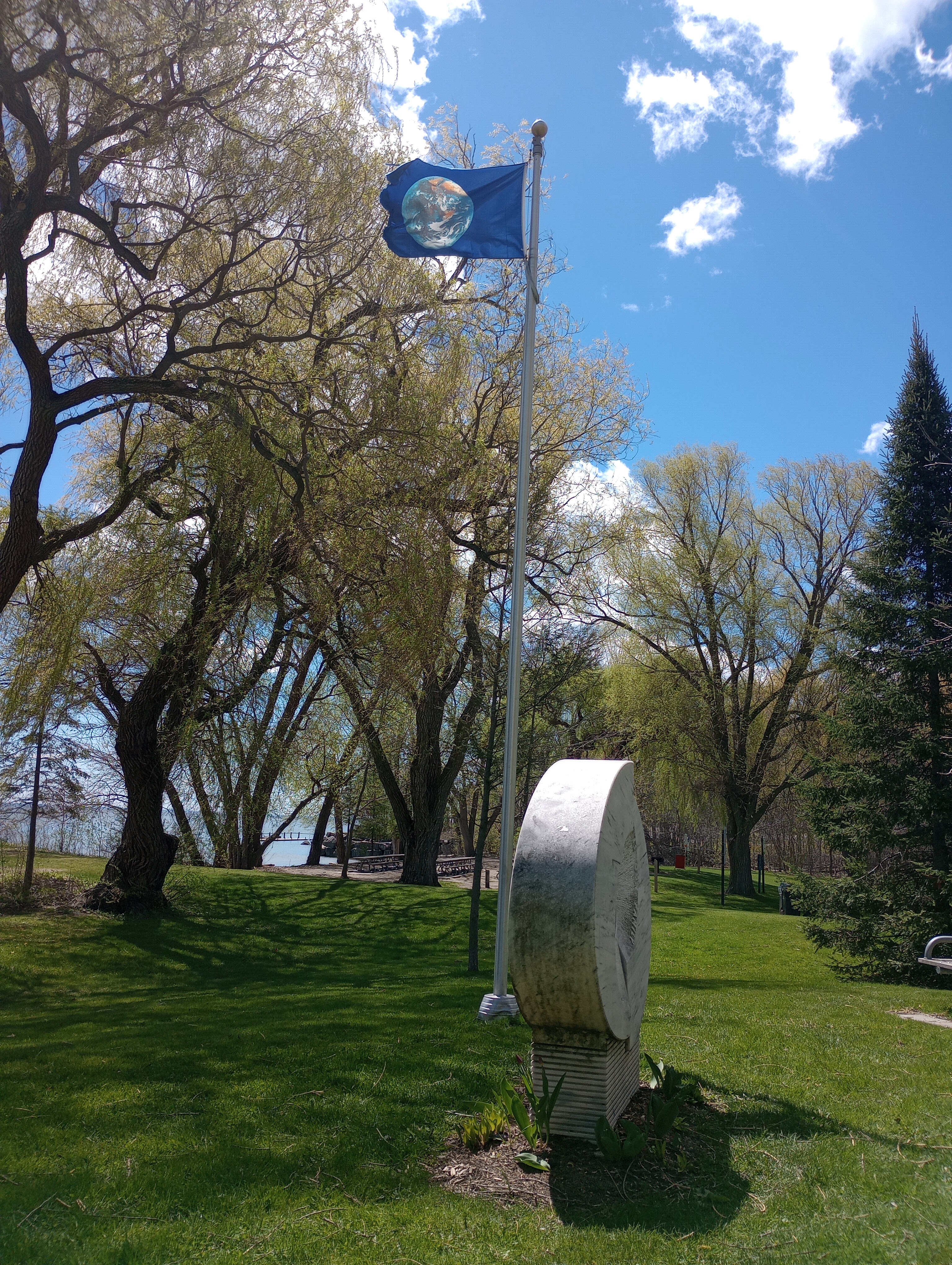
After a hectic two weeks, attending conference and travelling, back to the Serenity of Lakeshore. The different segments of the Lakeshore have been my thinking places for over a decade. As part of a community, as a family and also in my professional work, I have been going to meditate on Lakeshores, river banks and sea fronts for a long time. Here are some videos of the Pagan Version of the Serenity Prayer-
Serenity prayer-Pagan Version
God and Goddess grant me the power of water to accept
with ease and grace what I cannot change
The power of fire for the courage and energy
to change the things I can
the power of air for the ability to know the difference
the power of earth for the strength to continue my path
Newsletter 2026- Counselling Mantra of Hope 4310 Sherwoodtowne Blvd
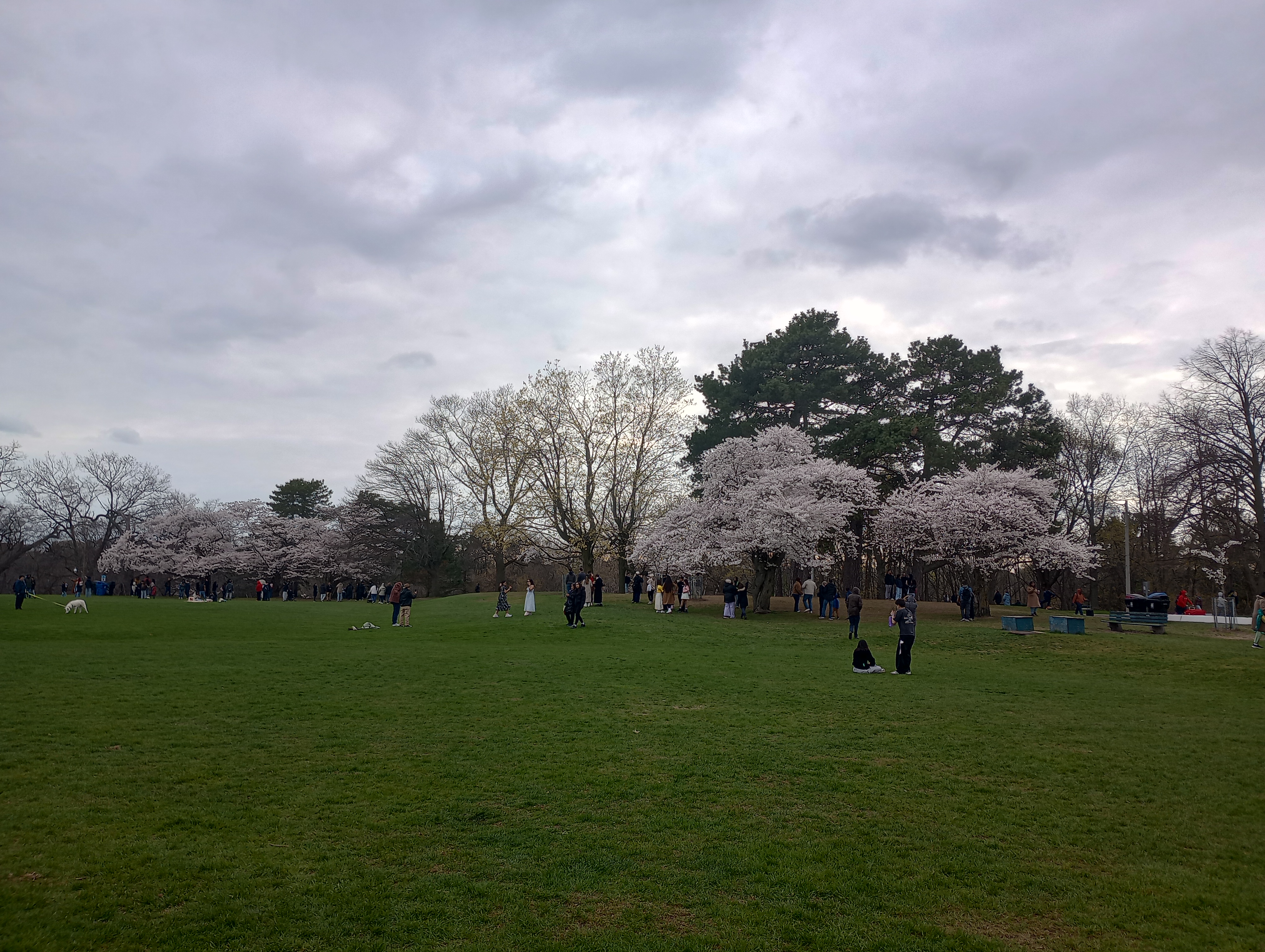
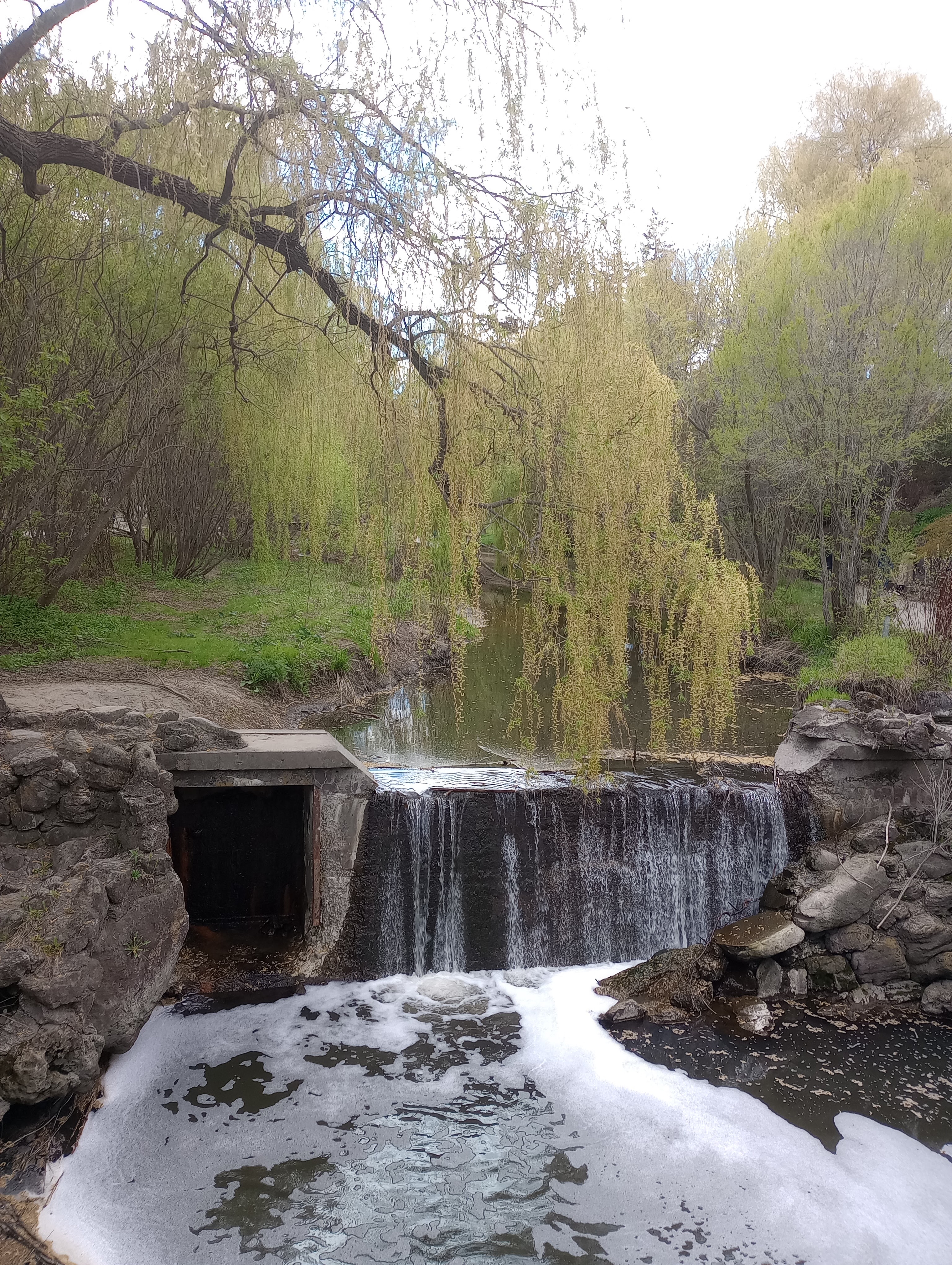
Around Mother’s day, we revisited the not one, not two meditation and went for walks to Edwards Garden-Sunnybrook-Wilket Creek area of Toronto and did readings from “Reviving Ophelia” and discussed how Immigrant / Bicultural Individuals, People who must navigate two or more cultural selves, often with contradictory demands.
Food for thought
“When I hold a calligraphy brush, I know I cannot remove my father from my hand. I cannot remove my mother or my ancestors from me. They are present in all my cells, in my gestures.” — Thich Nhat Hanh
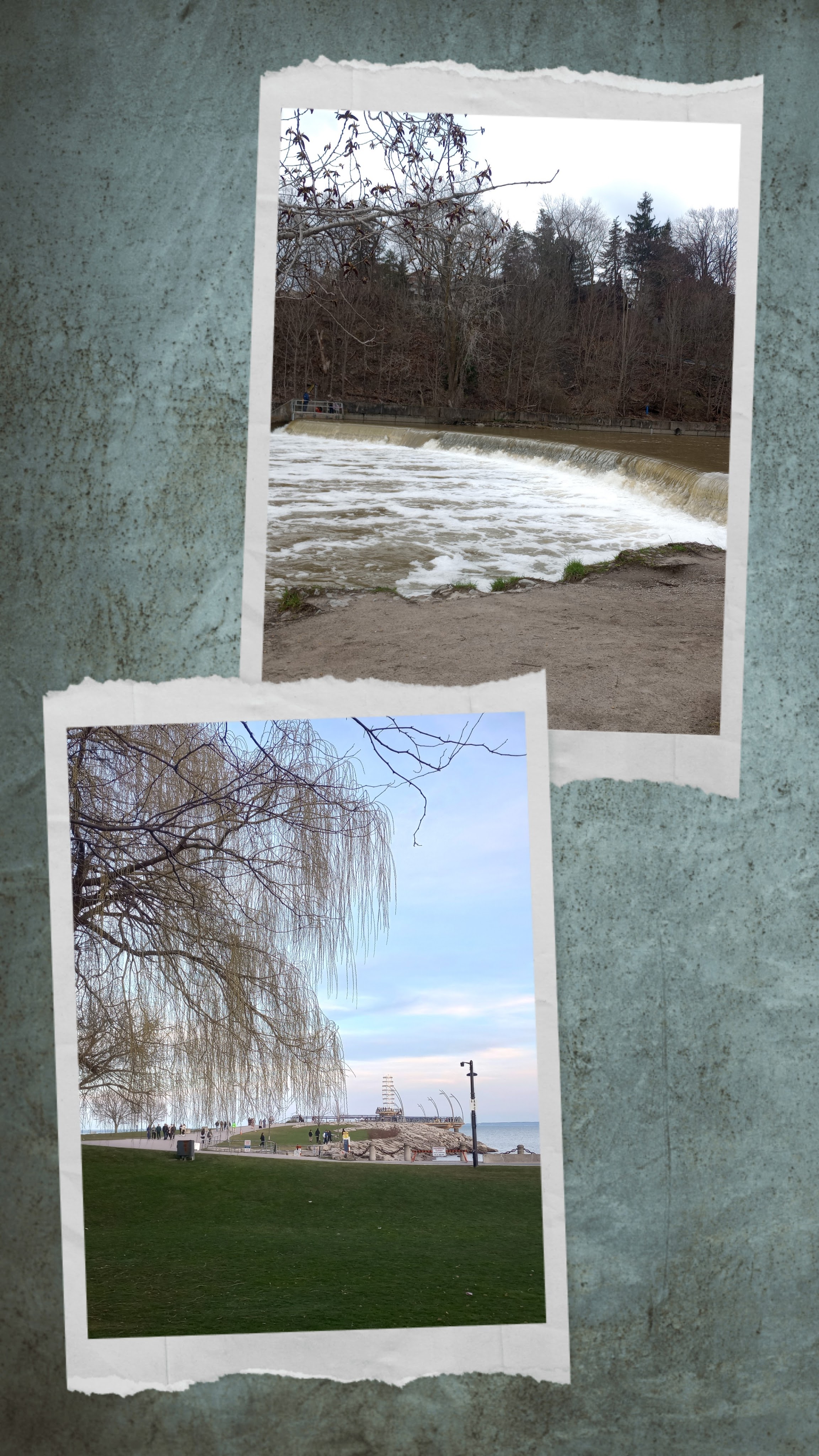
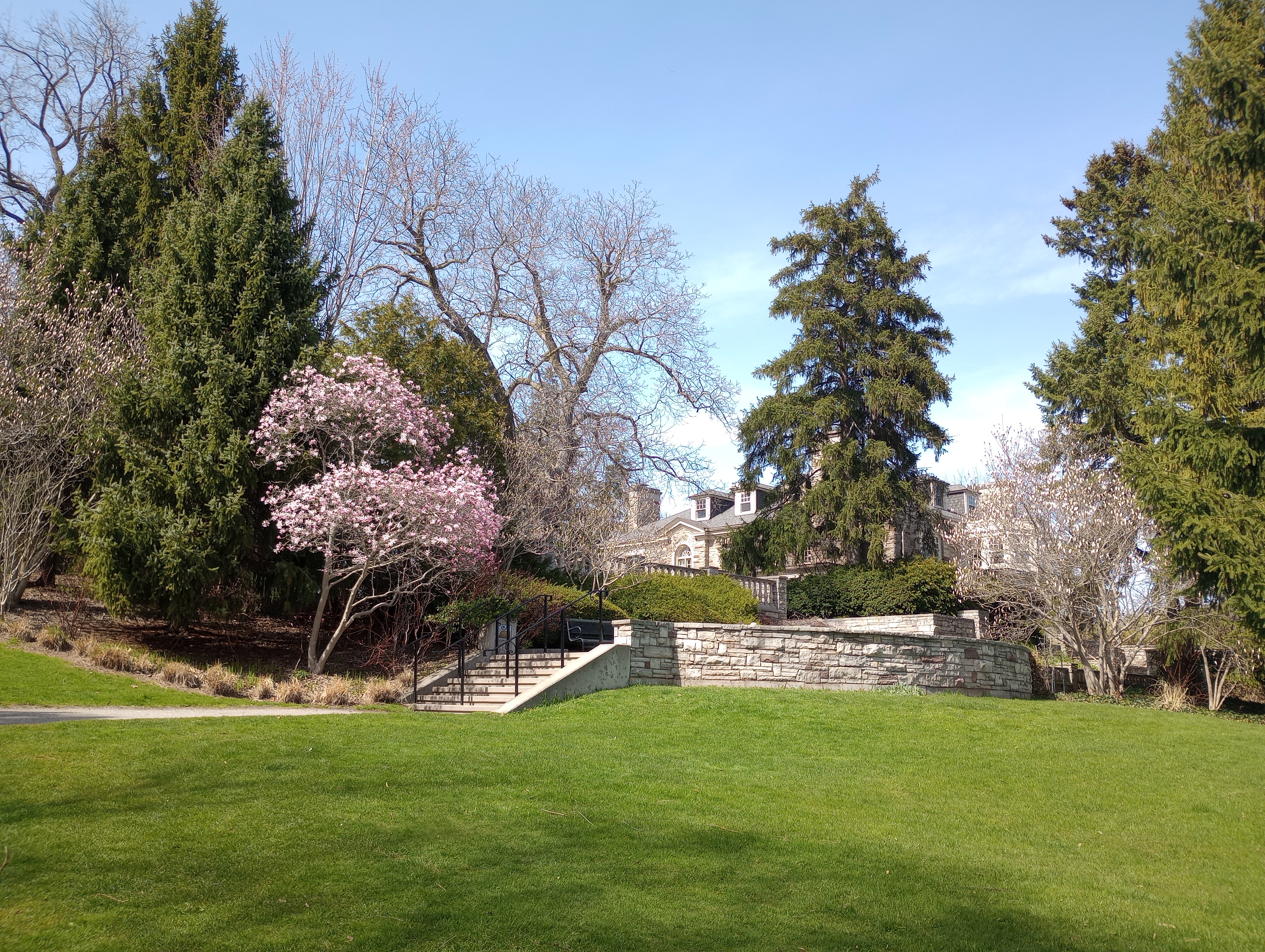
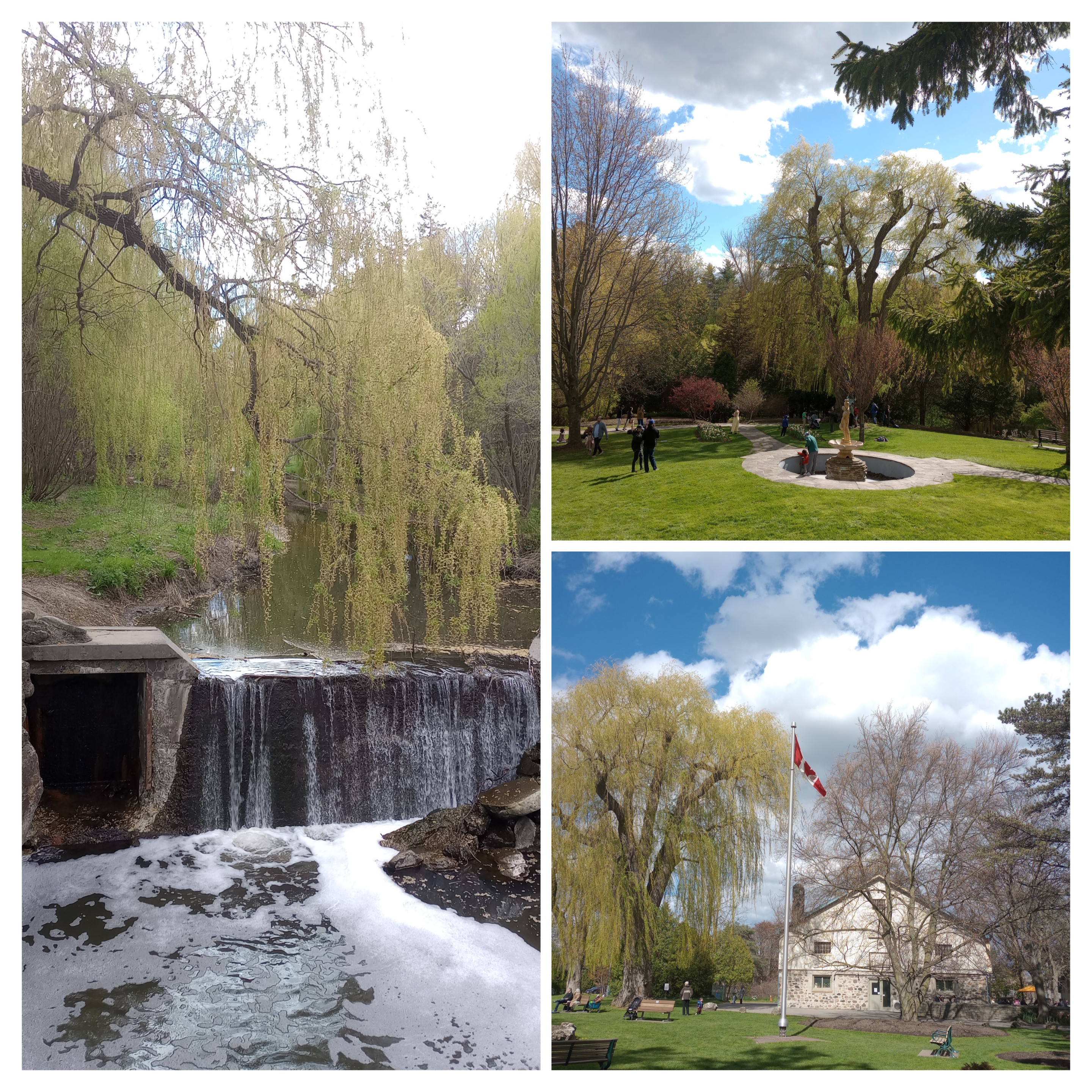
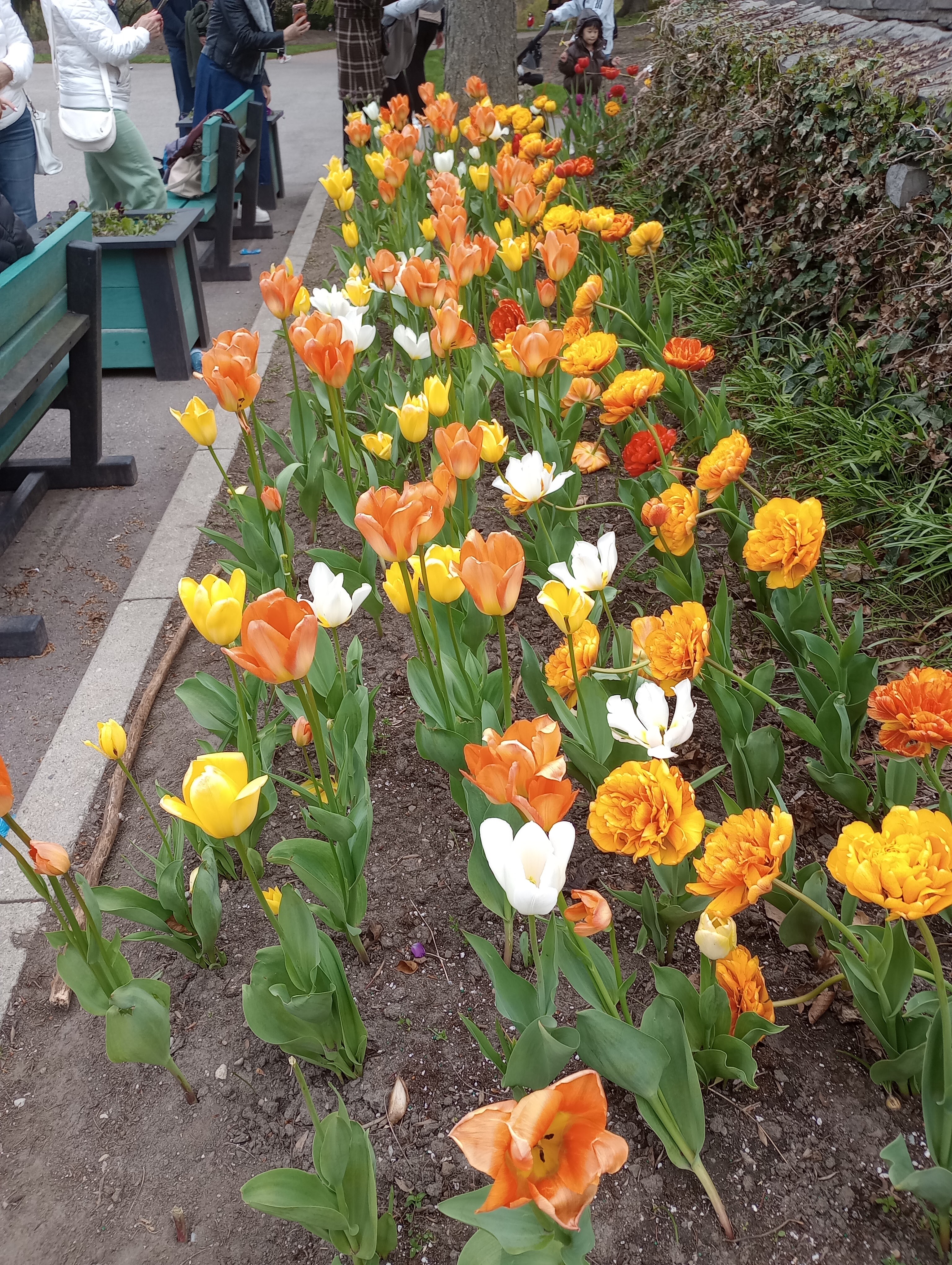
Walks – Edwards Garden- Wilket Creek
Mother’s Day walks in Wilket Creek-Edwards garden reminded us of the time when we were members of Ontario Science Centre (2014-2019), and Sahil, Sagar and I would spend many lovely hours in these galleries and parks while mummy did her courses in a college nearby. I also remember the first “Rock Garden” which my mother made in Poona (now known as Pune), Western India in 1970s. These memories made me understand things which I did not when my mother was alive- that she is in the way I hold my tea cup, in the particular way I pause before I speak, in the lump that rises in my throat when someone needs care and I instinctively move toward them. She is in me. She is of me. And I — I am her continuation.
This is what the beloved Buddhist teacher Thich Nhat Hanh calls “Not One, Not Two.”
Shorelines: Not One, Not Two
The meditation teaches that the boundary between parent and child is more like a shoreline where one body of water meets another rather than a wall and they are, in truth the same ocean.
Not one, not two. I am not my mother. But I am not, not my mother either.
This meditation made us reflect on our journeys, and the journeys of our parents and the generations before. It made me recall the India and Poona of the 1970s and how life was with walks in Lullanagar, picnics at Khadakvasla area and the lessons she taught me- when we studied in St.Vincent’s and St.Anne’s (Poona-1974-1980).
It also made me recall our own journey in Canada, the study in the colleges to get our credentials recognized and the meditations and walks we did in Port Credit and Edwards areas and how both sons evolved through middle school to high school (2014-2018 phase). They have both finished their university education now (2022-graduation).
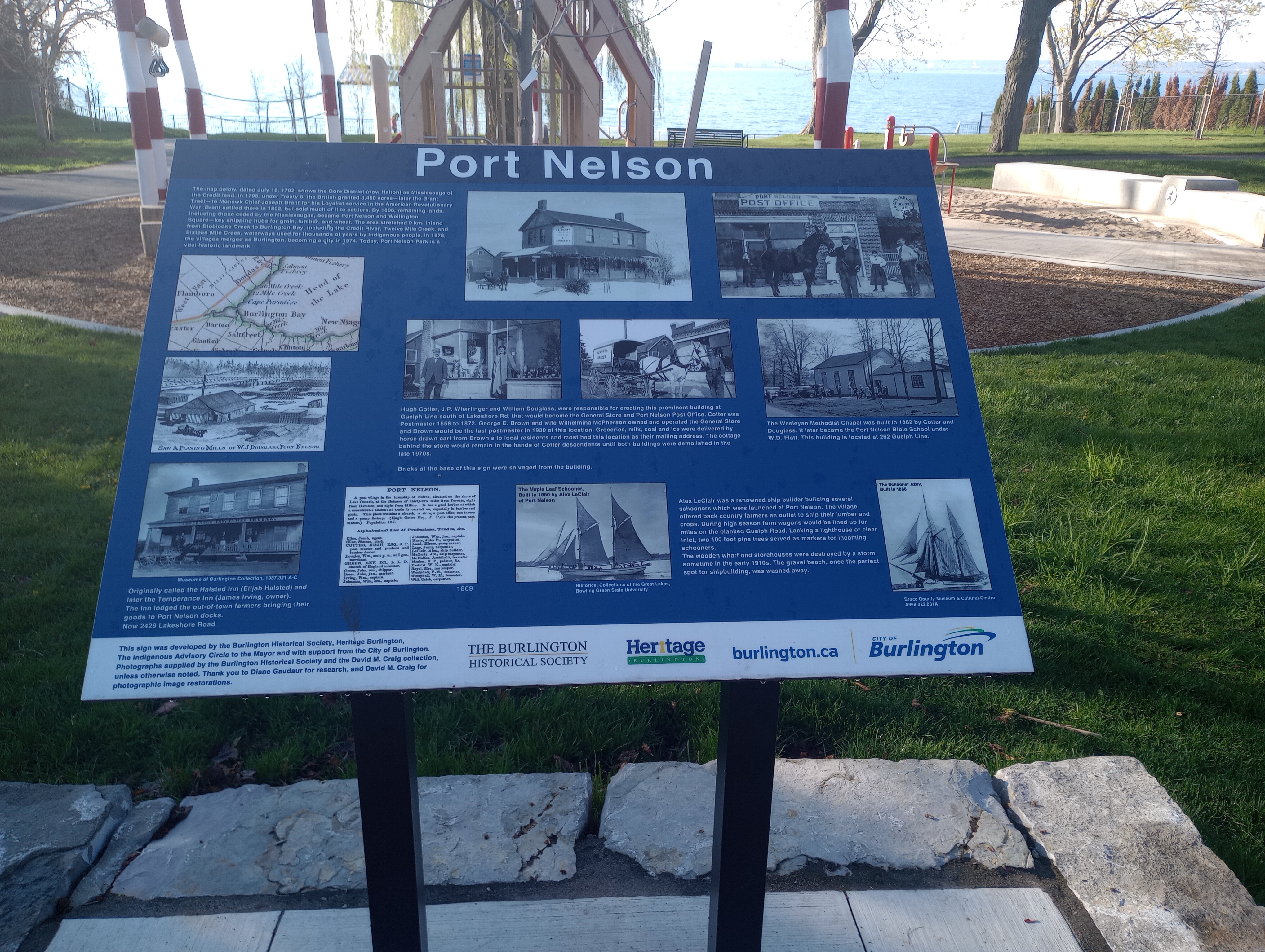
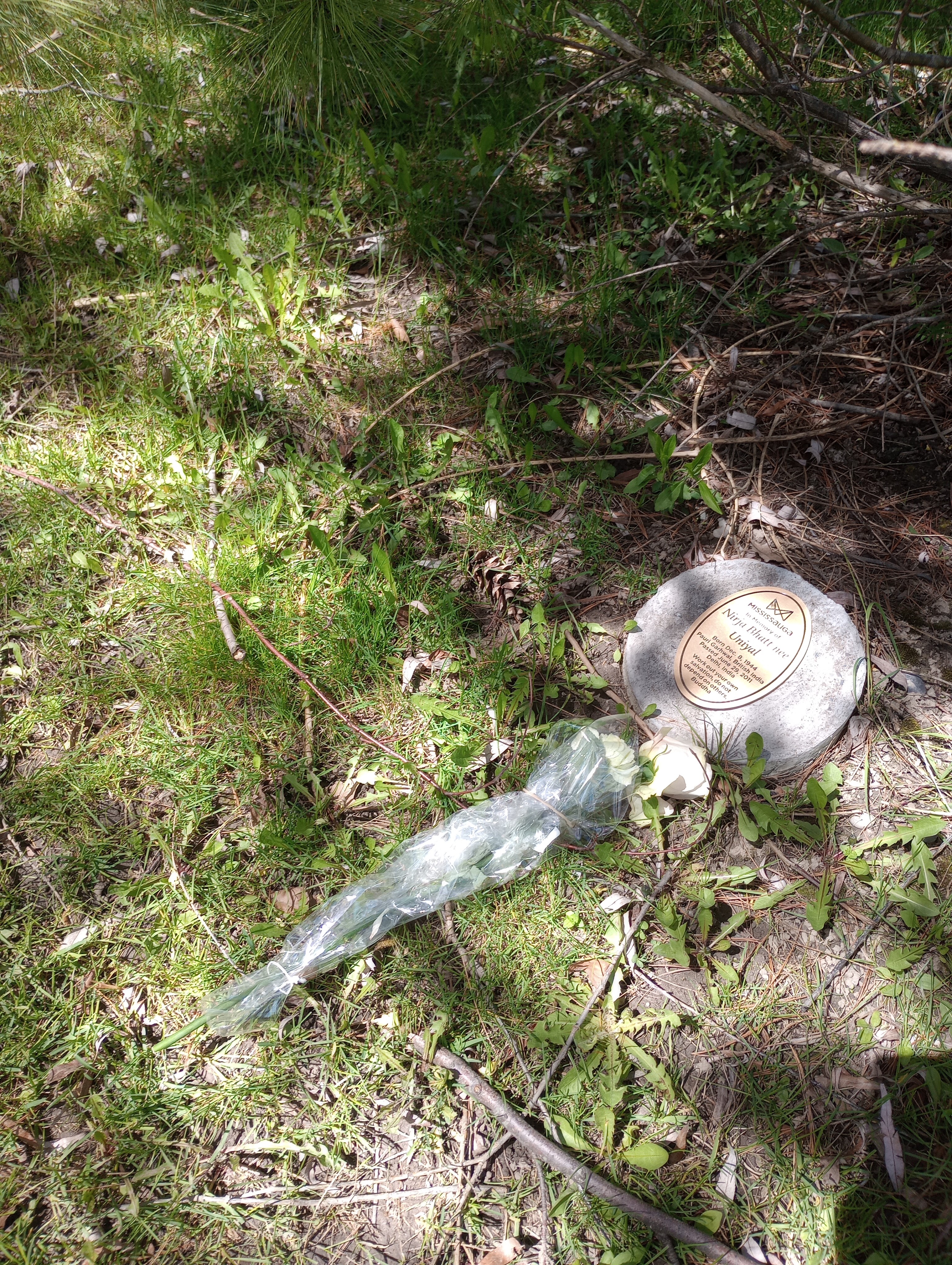
Old Mills-TorontoCoronation-Lakeshore-OakvillePalletta Mansion-BurlingtonHigh Park, TorontoLocal histories-Geulph Line-BurlingtonEdwards TorontoEdwardsEdwardsRichard Memorial Port Credit-MississaugaWork out your own salvation, Do not depend on others-The Buddha-Richard Memorial-NB memorial tree
Around Mother’s Day: Family Book Club-Reviving Ophelia
The love of the written word was instilled in me by my parents. My uncles and grandfather encouraged me to make notes from what I read. The reading journal is a companion which helps sift different layers. So as I read Mary Pipher’s “Reviving Ophelia” the original Ophelia of Shakespeare’s Hamlet stood out. Ophelia is a poignant representation of a woman caught between duty and desire. She became a tragic pawn as her relationship with Hamlet was weaponized by her father. In Reviving Ophelia: Saving the Selves of Adolescent Girls, psychologist Mary Pipher draws a direct parallel between Shakespeare’s tragic heroine and contemporary North American teenage girls, arguing that modern culture systematically silences, constrains, and damages girls’ authentic selves during adolescence. It made me recall the teenage years of my sister, my aunts and nieces and how Poona of the 1980s was different from Benares/Lucknow of the 1960s and Delhi of the 2010s. In immigrant narratives authors like Salman Akhtar and Nita Tewari have written about bicultural individuals navigating two or more cultural selves, often with contradictory demands.
VERTICAL IDENTITY- HORIZONTAL IDENTITY
Acculturation and immigration throw up issues of how one integrates with the vertical identity inherited from the culture of origin- family values, attitude towards family of origin, sense of duty) and the horizontal identity- formed in the new culture-peerso, school, media. This reminded me of the Satsangs and Yoga classes in Malta- San Gjwann (See blog- Conversations in Identity- 2012 Conversations on Identity | Prashant Bhatt’s notes) and our own family journeys – and interactions with diaspora.
Three Ophelias emerged out of this reflection
Shakespeare’s Ophelia = A woman whose identity is defined and ultimately destroyed
by the conflicting demands of the men in her life.
Pipher’s “Ophelias” = Adolescent girls who lose their true selves to conform to toxic
cultural expectations.
Immigrant / Bicultural Individuals = People who must navigate two or more cultural
selves, often with contradictory demands.
In summary
The Not-One Not Two meditation, walks in Edwards garden-Wilket creek area around Mother’s day and book discussions took us down memory lane, and also generated some interesting reflections on the shades of Ophelias- especially amongst immigrants
Akhtar, S. (2010). Immigration and acculturation: Mourning, adaptation, and the next generation. Jason Aronson.
Flaherty, J. (2023). Reviving Ophelia: Reaching Adolescent Girls through Shakespeare’s Doomed Heroine.
Malla, H., Tewari, N., & Hussain, S. (2022). South Asian American marriages and dating. In U. Thakore-Dunlap, D. Srivastava, & N. Tewari (Eds.), Counseling and psychotherapy for South Asian Americans: Identity, psychology, and clinical implications (pp. 139–156). Routledge.
Pipher, M., & Gilliam, S. (2019). Reviving ophelia 25th anniversary edition: Saving the selves of adolescent girls. Penguin.
In his book, Grief is a Journey, Dr. Ken Doka writes.
“ In losing your sibling, you experience many secondary losses beyond the loss of perhaps your longest-lasting relationship.
A LAST CHANCE FOR A CLEAR HISTORY- Michael Ondaatje
A last chance for the clear history of the self
All our mothers and grandparents here
Our dismantled childhoods
In the buildings of the past.
Some great forty-day daydream
Before we bury the maps
(Michael Ondaatje; The Story from the collection-Handwriting)
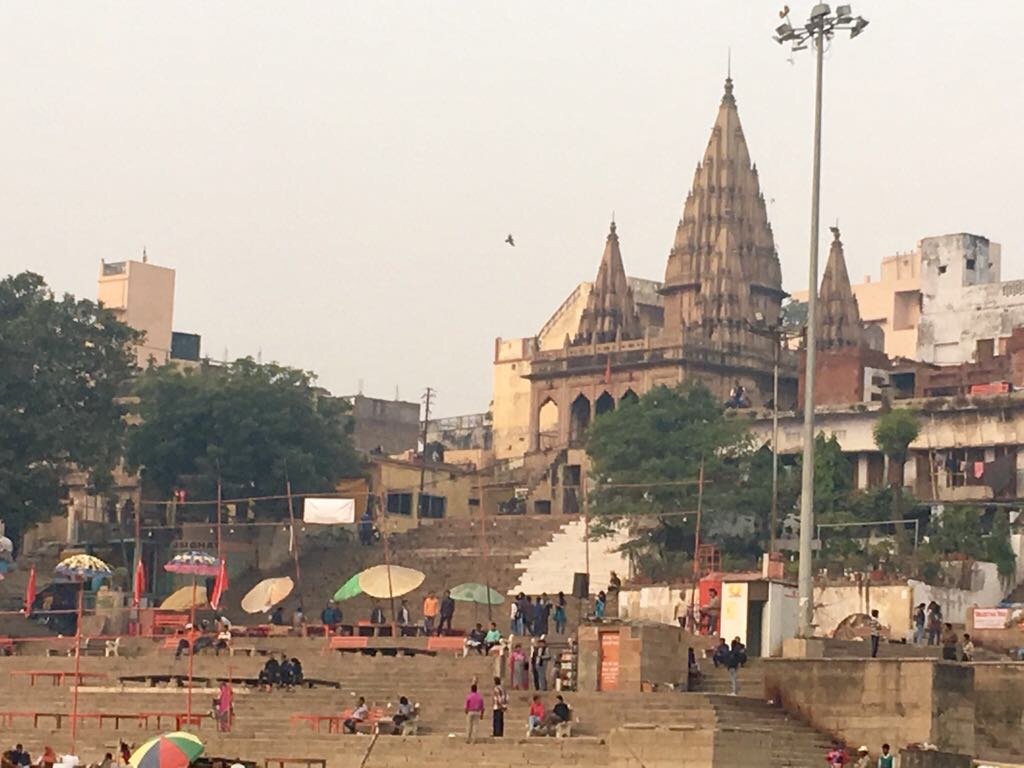
Places hold people long after they are gone. The ghats of Benares, the Parvati Temple of Pune, the streets of a 1950s India — these are not just locations. These rivers and places are living archives of shared experience.
LETTER TO LOVED ONE WHO HAS PASSED AWAY
Places together-MeditationLegaciesWalksBenaresE 10 Garden-started in 1950s by my Nanaji-GPU
One tool I have used in different settings is writing a letter to a loved one who has passed away. On the tenth anniversary of my mother’s passing, I asked her four grandchildren to write a few lines about how they remembered their grandmother, what lessons they learned from her, and what they have been doing over the past ten years. I encourage you to try this practice for yourself. Consider setting aside a quiet moment to write a letter to someone you have lost. You might share a memory, express gratitude, or share your life today. If you would like, start by recalling a favorite moment or a lesson they taught you.
Only her granddaughter chose to write that letter (three grandsons did not respond to my request or suggestion). The letter she wrote was one of the most touching legacies of my parents. I also want to acknowledge that not everyone may feel ready or comfortable to participate in such activities, and that is completely understandable. Each person’s grief and response is unique, and there is no right or wrong way to remember or honor a loved one.
They say- Grandchildren are the future that you don’t see physically.
PLACES TOGETHER
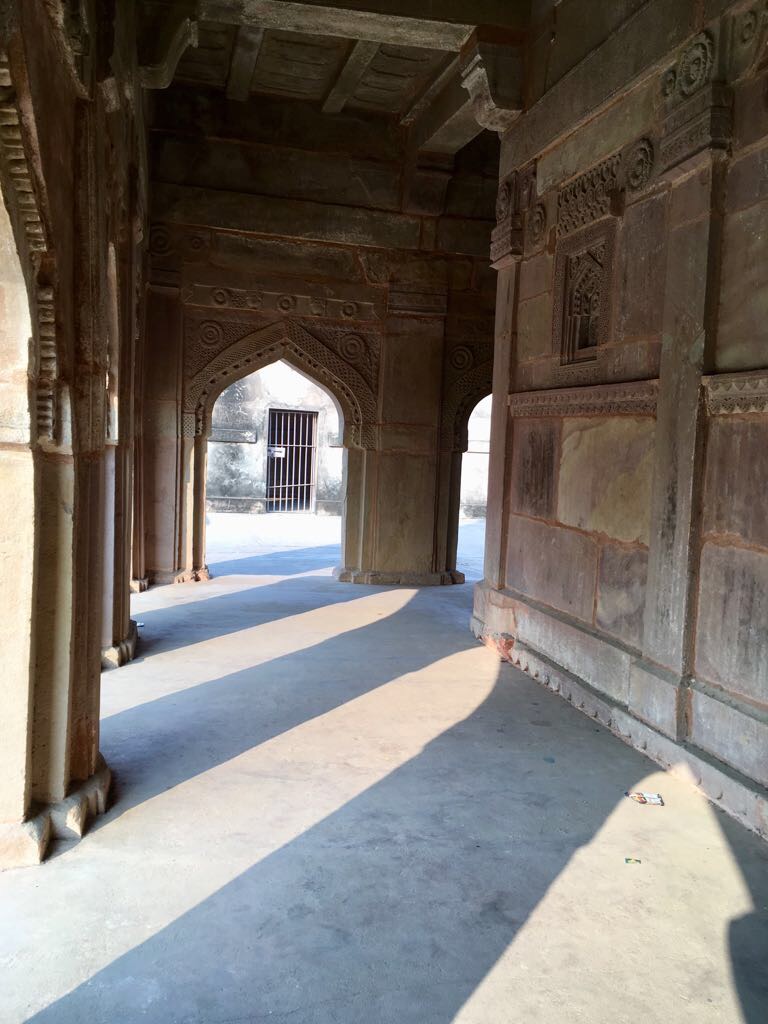
Recently, on losing a close family member, talking to his brothers and sisters took us down memory lane. It reminded me of the 2017 visit by my aunts (mother’s sisters) to Benares, where they had grown up in the 1950s and been teenagers in the 1960s.
Mary Pipher, in her book “Reviving Ophelia,” recalls meeting a 15-year-old in 1993 and how her world was so different from 1963, when Mary was 15. So, she first had to learn from her clients to make sense of the world they were in before trying to help them. (Pipher & Gilliam,2019)
CHILDHOOD MEMORIES
As his sister recalled visits to Benares, she told me of a time I have no living memory of: going to the ghats of Benares and being afraid in a boat, as neither of us knew how to swim. Then she sang some songs from the 1960s and India, and recalled memories associated with her brother. It brought back memories of Poona (now Pune) and the way India was in the 1970s. Parvati Temple of Poona, built around 1749 by Balaji Baji Rao Peshwa, was one of our thinking places.
Like me, my sons too have no living memory of their paternal grandfather, but I have tried to reconstruct many aspects of his life, and tell these to my sons, so that they will get a sense of who their grandfather was, what India was like in which he grew up and lived, and what the defining features of life were in that period.
10000 JOYS, 10000 SORROWS: BREATHING TOGETHER MEDITATION
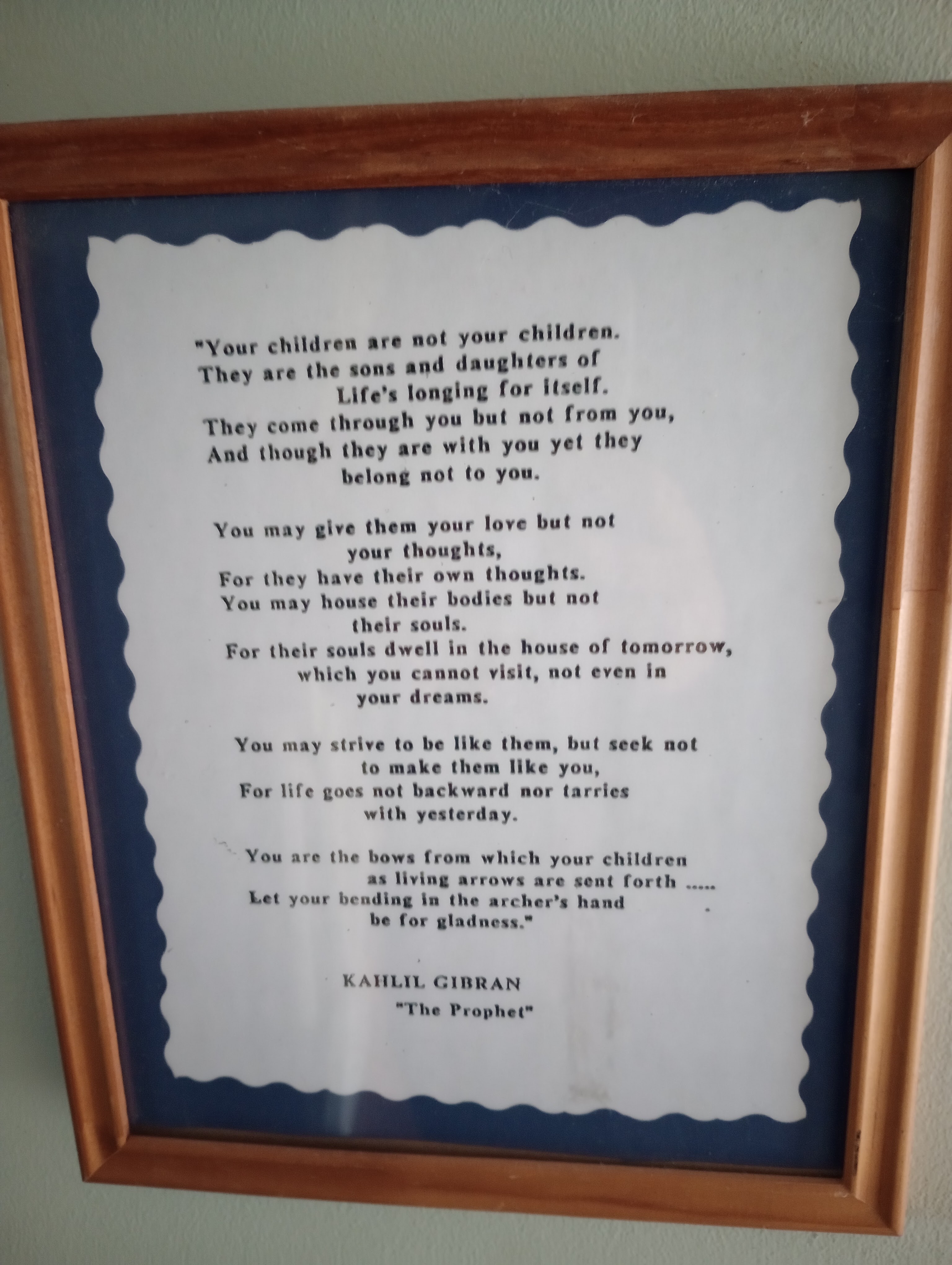
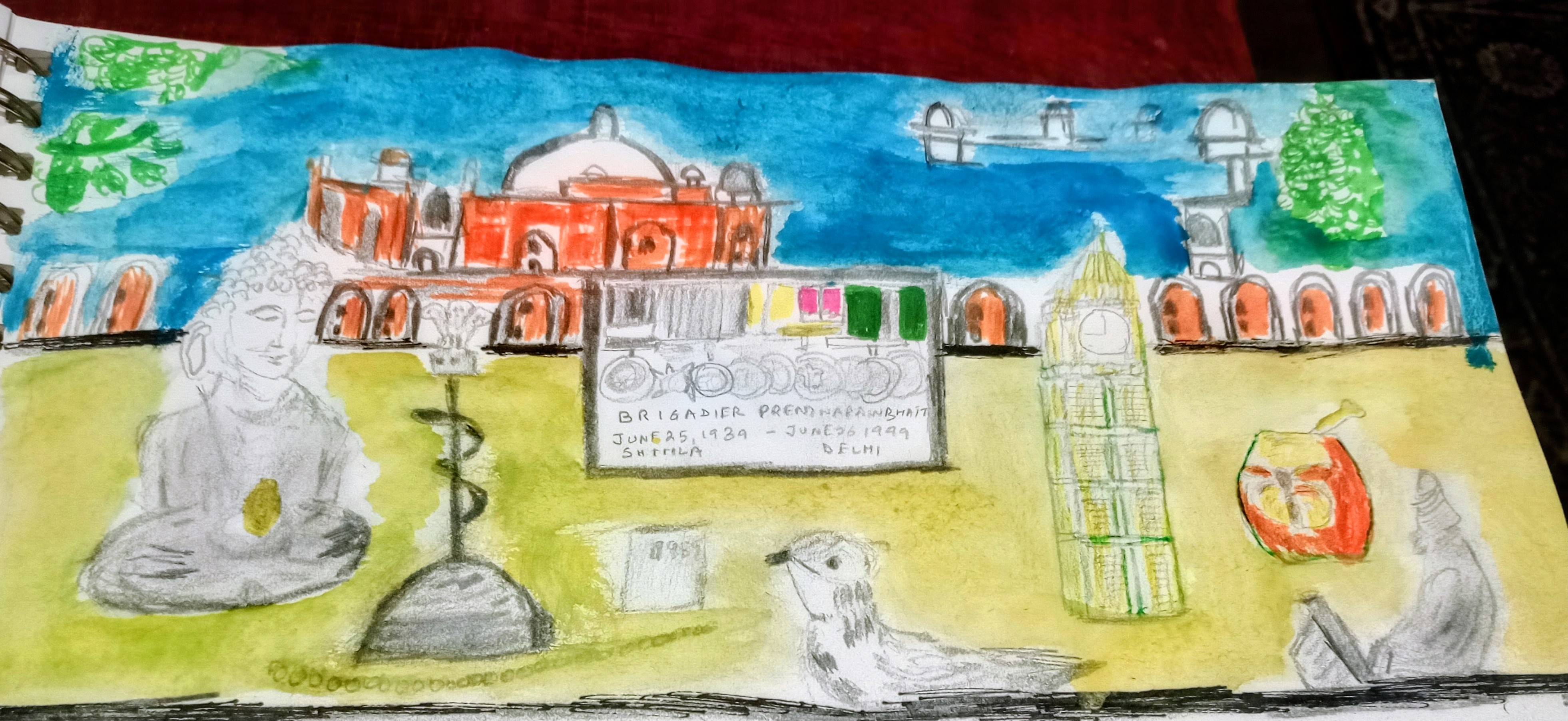
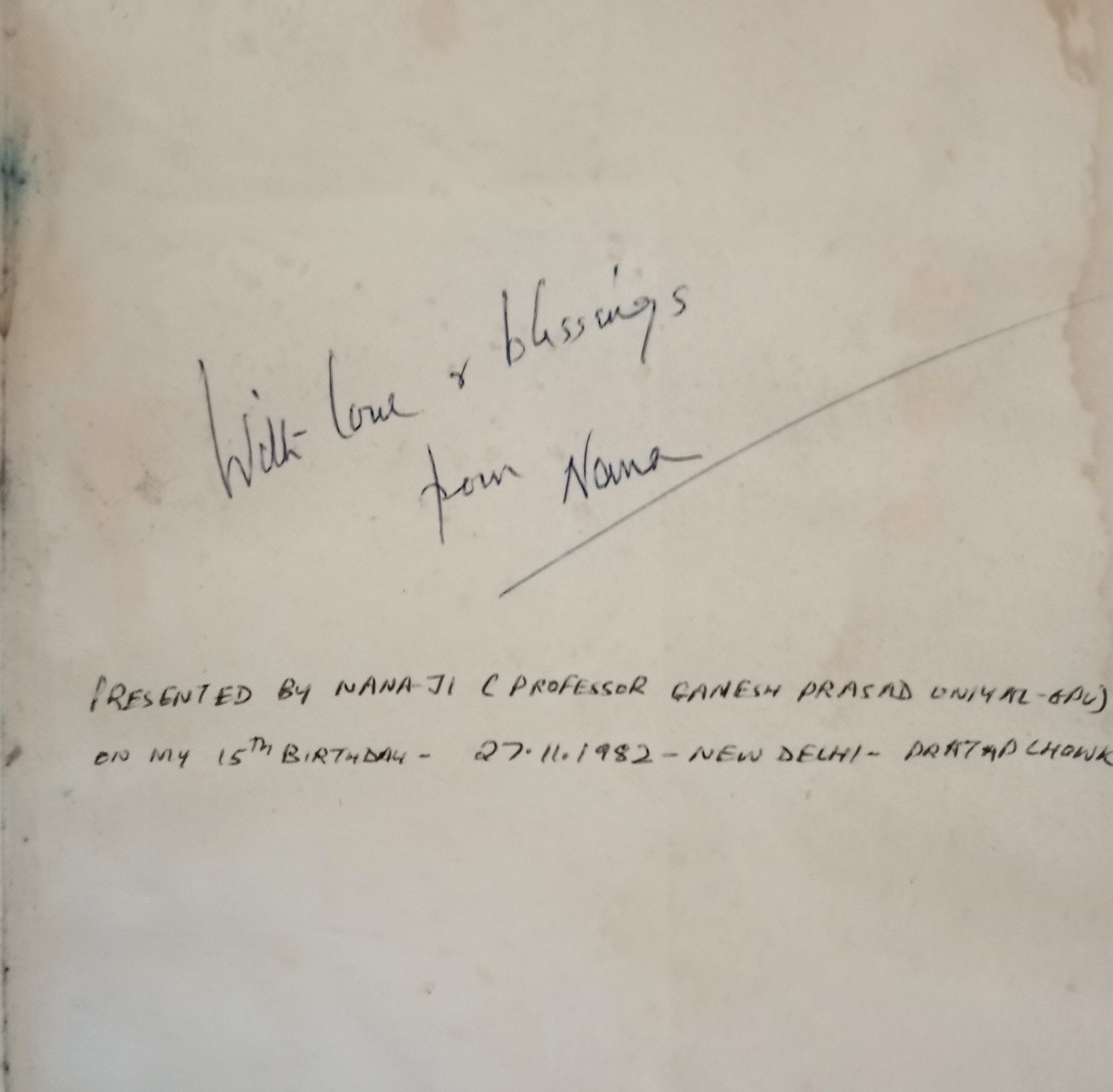
Sketch studies-Vue De Isle St Louis-Henri Rosseau-1844-1910Our children are Life’s longing For Itself-Kahlil GibranRelics and Journeys-Humayun Tomb-My father’s Medals-1963-19961982-Birthday Gift of Book-Autobiography of Nehru-by my Nana ji-GPU
One mindfulness practice that has been adapted over the years is to breathe together with a fellow meditator (or set the intention to breathe mindfully in the presence of others, especially if they are not familiar with this practice and might be uncomfortable). If you are new to mindfulness or remembrance practices, here are a few simple steps you can follow:
1. Find a quiet place where you can sit comfortably, alone or with someone you trust.
2. Take a few slow, gentle breaths and allow your body to relax.
3. With each breath, bring to mind the person you wish to remember. You may imagine them at different stages of life—infancy, childhood, adolescence, and adulthood—and gently visualize what they might have experienced at each stage.
4. If breathing with another person, focus on the rhythm of your breath and theirs, noticing the shared experience of being present together.
5. Let memories, associations, or questions arise naturally, such as: Who were their friends? What were their dreams? Who journeyed through life with them?
When I did this for my father, it took me back to the India of the 1950s, when he would study in Delhi, preparing for his pre-medical exams (He joined AIIMS-Delhi, 1958, Indian Army Medical Corps-1963). He told me about Choley Kulchas, a popular street food enjoyed by many in Delhi’s Gol Market area. Years later,I would come to savor this beloved snack myself in the Firoz Shah Kotla area of the city, where it remains a favorite among people from all walks of life.
Then father and son would go together to Golcha cinema – when I was staying in the hostel at Bahadur Shah Zafar Marg, Delhi, studying in Maulana Azad Medical college, 1980s (1985-Joining).
Being chronic hostelers, we would even spend Diwali and New Year’s in the hostel, when most people would go to their families.
The BTM-Breathing together meditation last month took my aunt and me down memory lane while we recalled the times of the 1990s and early 2000s, when our family was going through the sudden loss of my father in a car accident. Those were the days when my mother’s brothers came to support her in different ways.
SUMMARY OF TOOLS
1- Places together meditation-reflection
2- Writing a Letter to a Loved One who has passed away
In a collage in my house, I have a picture of the Uniyal family from Benares in the 1960s.
Now, around 50 years down the line, I saw this picture of my aunts in the same house and saw them in a new light.
In his book, Real Life, Dr. Phil offers many interesting exercises, one of which is to write about our defining moments between the ages of 1 and 5. (and also of other age periods of one’s life)
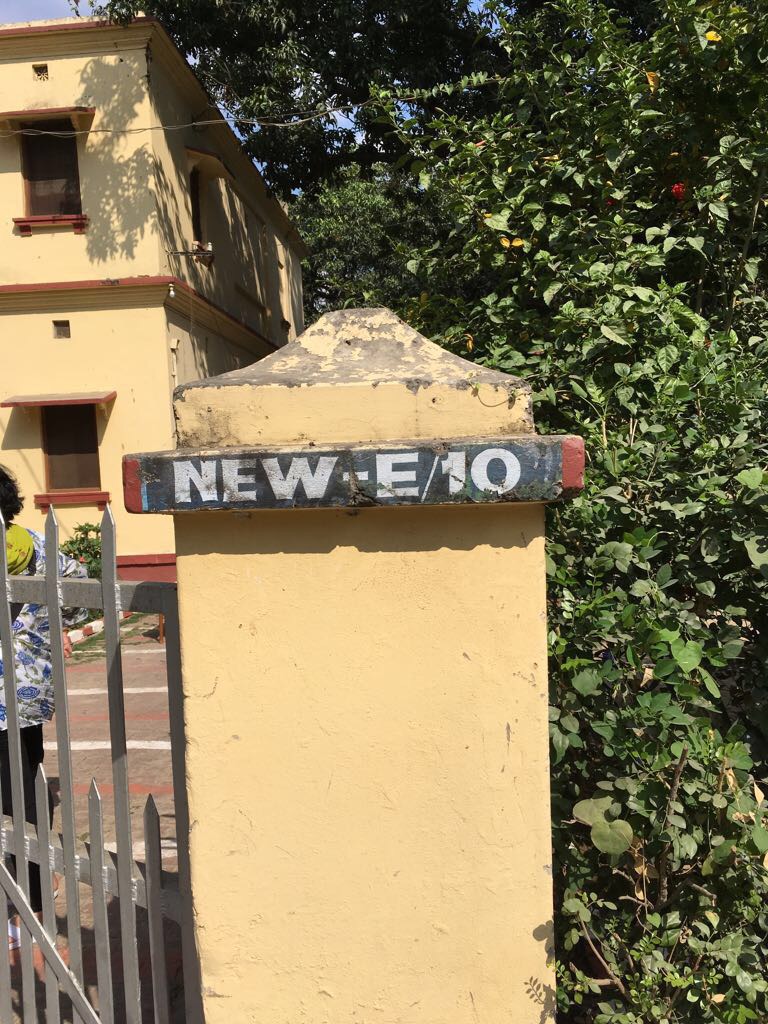
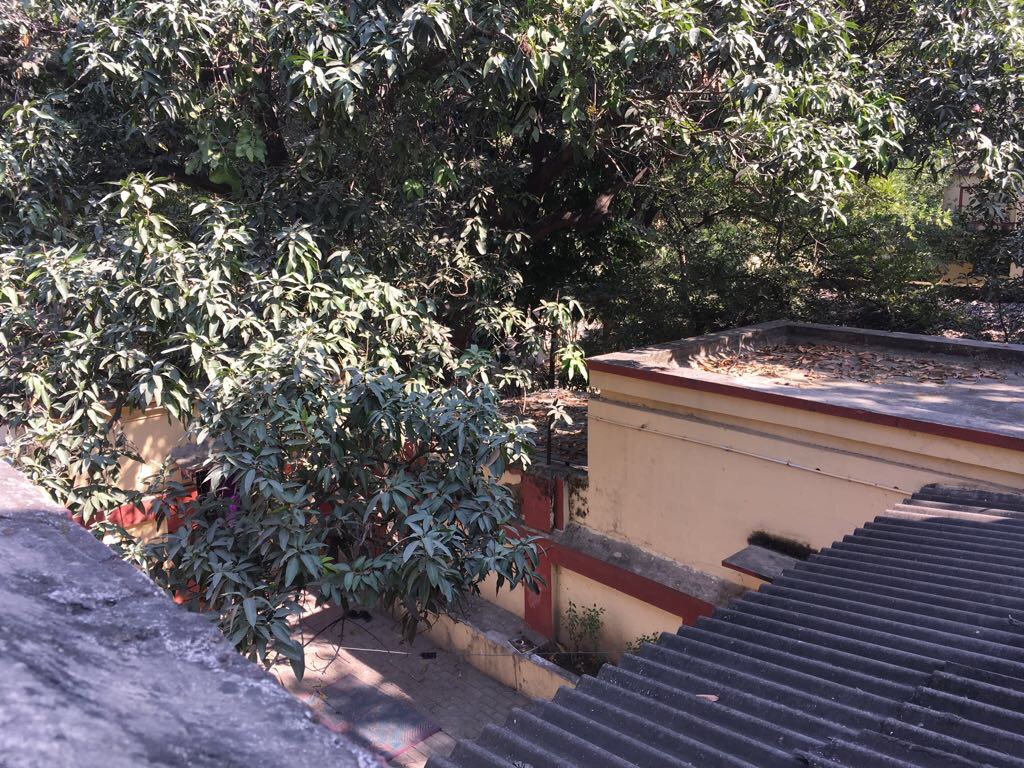
Seeing the many recent pictures of the house, New E-10 of BHU campus, where my grandfather, Ganesh Prasad Uniyal, used to teach political science, made me remember my own time, when, between the ages of 1 and 5, I first visited Benares in the early 1970s.
I have distinct memories of my maternal grandfather, with whom I used to take walks in Lullanagar, Pune, and visit Banaras before his days in Moscow.
As part of the Mediterranean Everyday History Society project, I have been taking life story interviews of expatriates and locals, mainly in the Tripoli region. This interesting project extends to a partnership with patients, in which extended life-story interviews of relatives have been conducted.
Letter writing is a habit I got from my grandfather in the 1970s.
Writing a letter to a loved one who has passed away is a remembrance ritual I have practiced regularly for over six years. Every month I write a letter to a loved one.
Sometimes I write book summaries for my grandfather. At times, I have written about how Diwali is celebrated in Canada to my grandmother, who was a devotee.
This exercise helps one see the big picture, wear the Cosmic Hat, and uniquely watch generations and geographies.
Shri Brahmi Bhatt’s father Rama Bhatt first came to Shimla from Garhwal in 1890s.
We are a family of priests and traditional healers, originally from Vaid Gaon-near the Kirti Nagar, Srinagar bridge on Alaknanda in Pauri Garhwal. Then the family shifted to Uphalda village.
Rama Bhatt and then his son Brahmi developed House number 4, Upper Kaithu Bazaar, Shimla . Links with Tara Hall, Kali Bari temples and walks around the hill temples of Shimla-Jakhoo,Tara Devi are part of our family tradition.