
“People are trapped in history and history is trapped in them.”
— James Baldwin
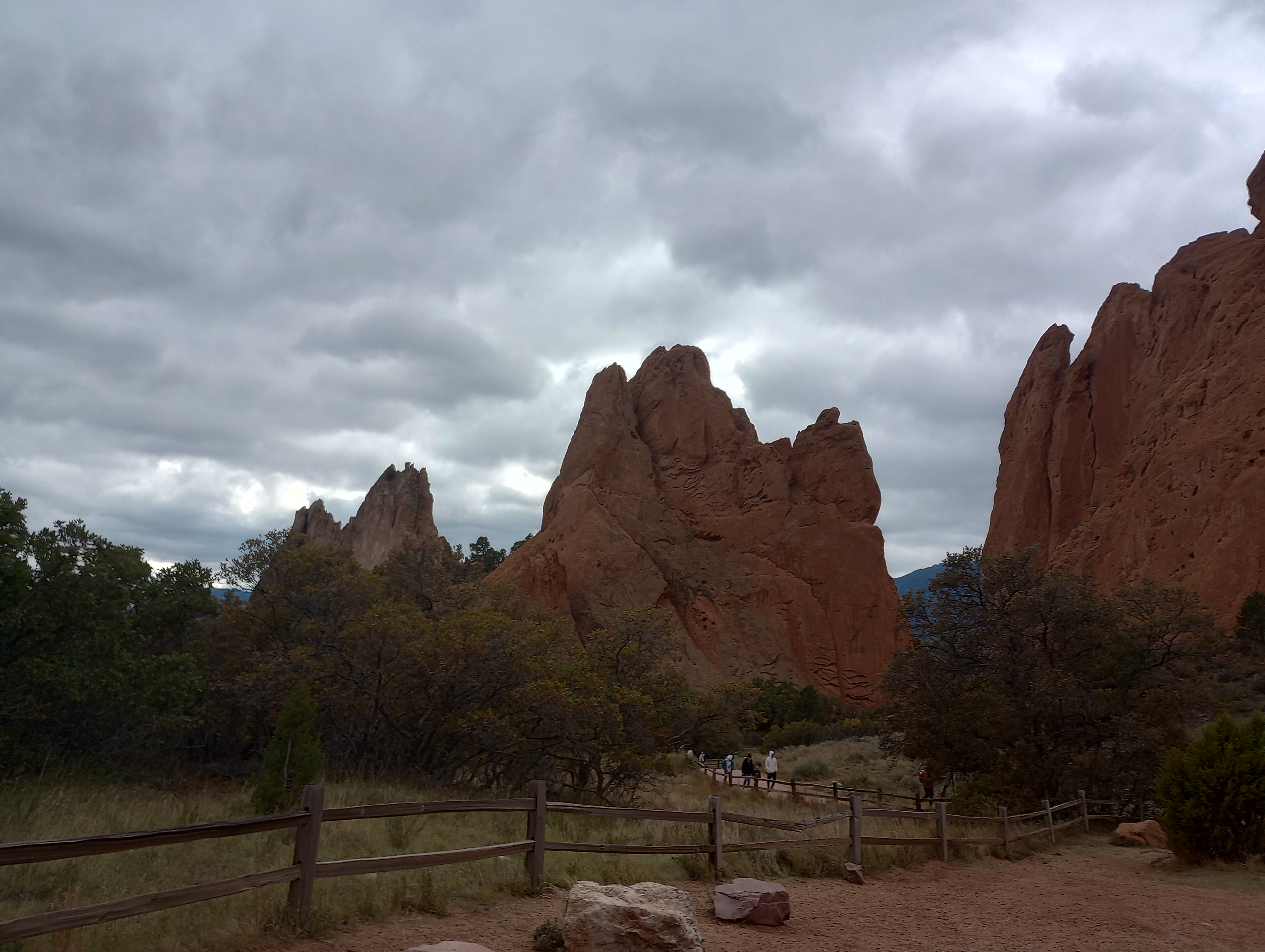
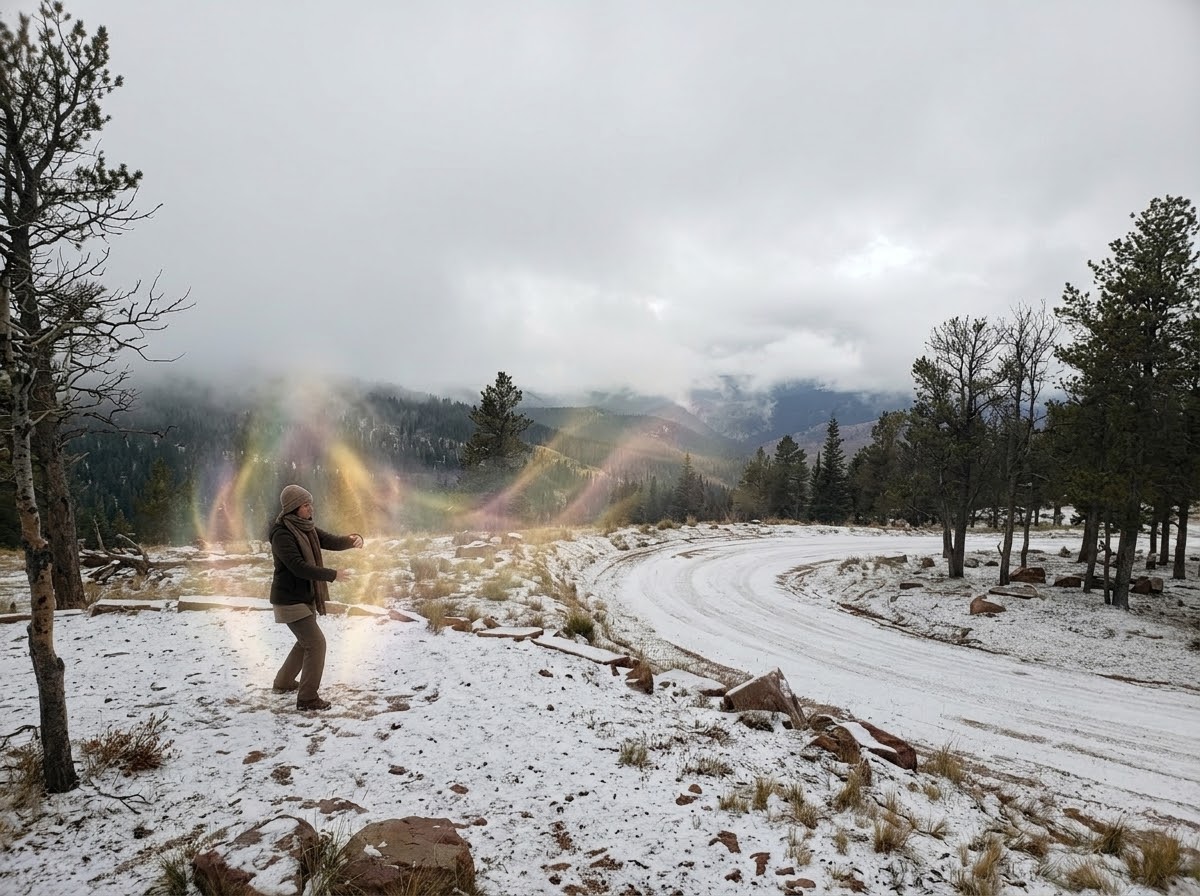
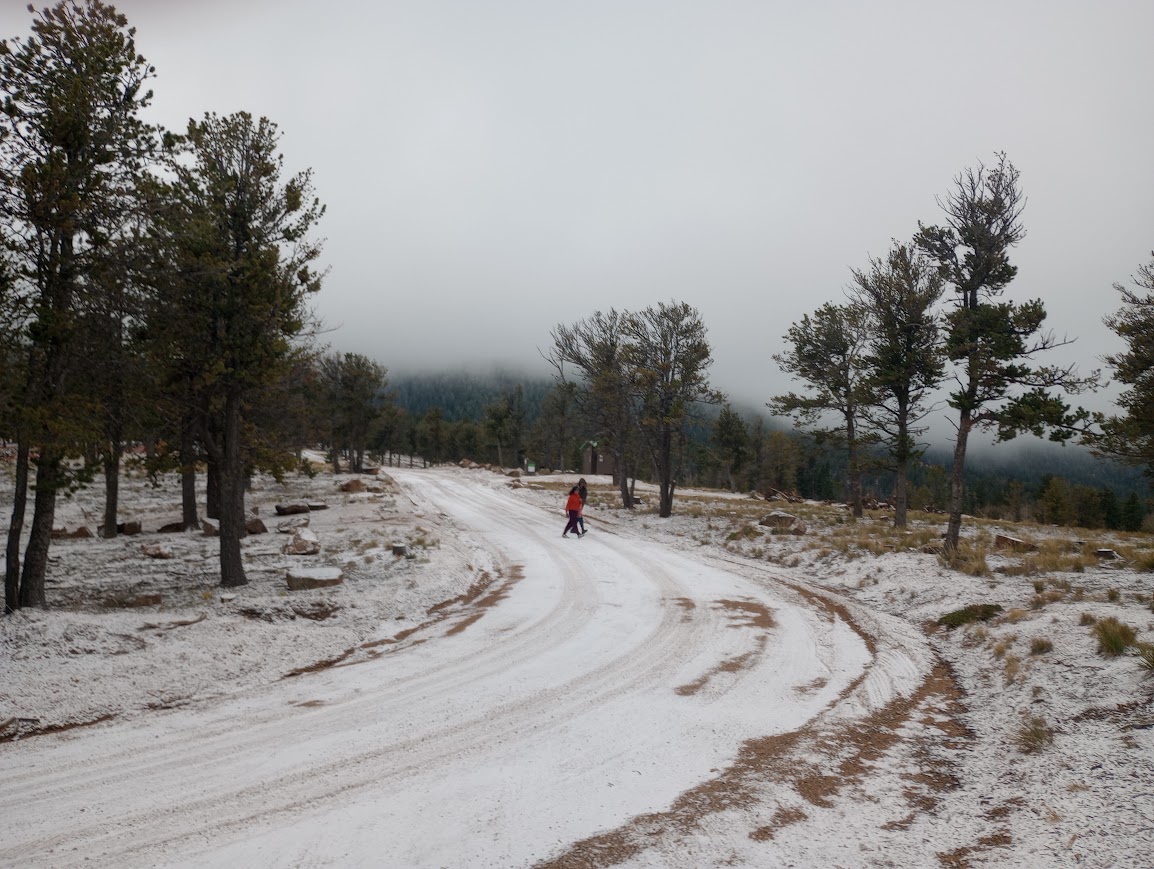
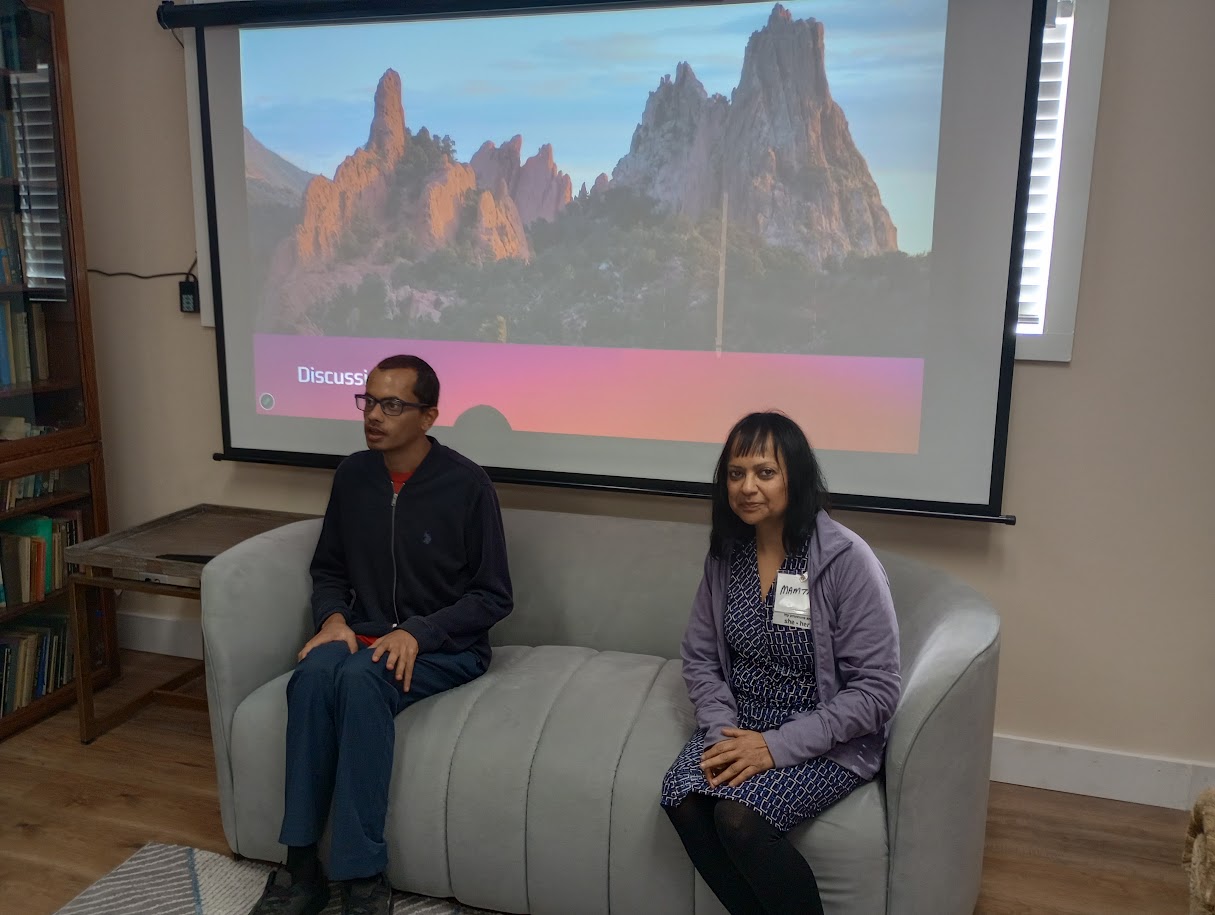
This fall offered a gentle pause and a space to wander. During our time in the Rocky Mountain area around Colorado Springs, we took quiet walks beneath the autumn skies and listened to a rich spectrum of talks—exploring everything from the intersection of AI and mental health, to decolonization and existentialism, and even the psychology behind the classic Halloween slasher series. Later, resting near the water, we opened James Baldwin’s The Fire Next Time, letting his words echo against the landscape.
Notes from Our Family Journal
Sitting together at Little Nepal, reflecting on the gathering, the words of a speaker on decolonization lingered in my mind. Speaking from his lived experience in the Black community, the professor shared how success was often measured simply by acquiring a semblance of education and, above all, avoiding encounters with the police.
When he asked the group what lies we had been told while growing up, I caught myself smiling softly, choosing at first to remain quiet. But a fellow member noticed and invited me to share what was behind my smile.
I shared how growing up in India, we were fed countless narratives and misunderstandings about people from Pakistan. It wasn’t until years later, when I met real people of Pakistani origin while living and working in Libya, that the illusion shattered. Face to face, human to human, I realized just how many manufactured divisions we had been taught to carry.
God gave Noah the rainbow sign
No more water, the fire next time
Reading Baldwin on a quiet evening after the conference brought memories flooding back to 2009, when I first encountered his writings during a medical radiology conference. In the years that followed, we witnessed firsthand how shift and upheaval after the fall of Gaddafi dramatically altered race relations and impacted specific immigrant populations in Libya.
Reading Journal: Baldwin at Quail Lake
For behind your father’s face today, are all those faces
Which were his.
— James Baldwin
We navigated our path through Malta, cleared our paperwork, and eventually made our way home to Canada, settling in Mississauga, Ontario. Over the decades since, these lived experiences have continuously shaped my reflections on race relations, identity, and how individuals from collectivist cultures—like South Asia and East Asia—navigate growth, belonging, and self-hood in North America.
Living Kindness at Richard’s Memorial Park
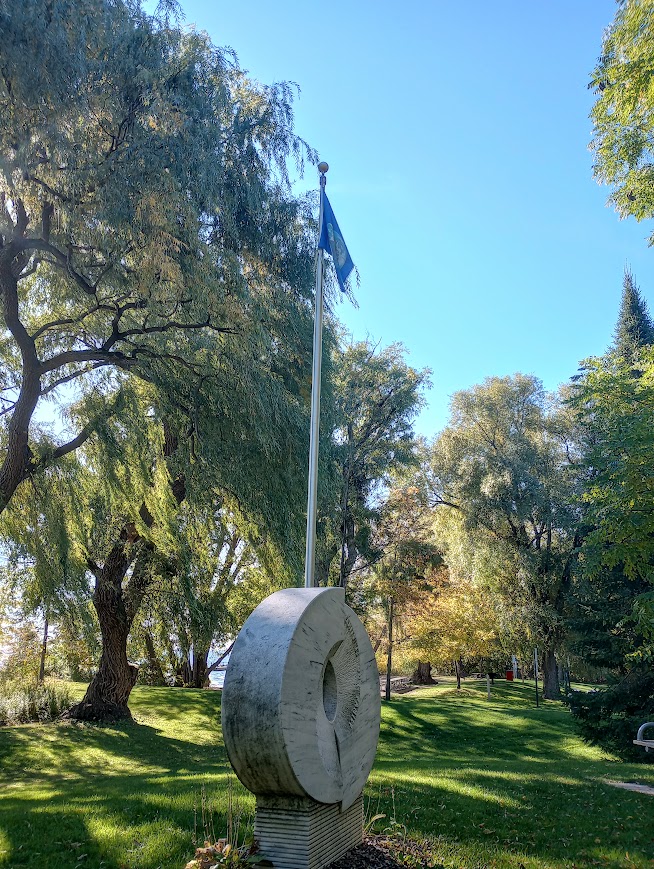
Upon returning to Mississauga, we took a walk down to Port Credit. At Richard’s Memorial Park, we paused to offer a practice of Loving-Kindness (Metta)—praying for all who visit this peaceful space, those remembered here, and the hands that built and maintain its grounds and unique monuments, including the Peace Stone.
The Peace Stone
A moment of stillness from our walk, honoring memory, continuity, and human connection across time.

EARLIER PERSPECTIVES
EARLIER PERSPECTIVES-NOTES FROM THE GROUND-2011
“ There are no instructions for you”
Answer of a senior diplomat to his driver
who drove him from Tripoli to Tunis
when the conflict started in February
“The experience of migrant or diasporic people is
central to contemporary societies”
Marie Gillespie


