Palam meals together and a night of meditation and prayer took me down memory lane.
Mindfulness Prompt – Healing by Memories
Remember a moment of connection with a loved one and discuss how it informs your mindfulness and meditation practice.
For example
Riding from Vasant Kunj C 8 to Palam Vihar B block we crossed the farms and Rezang La War Memorial and we , Mausaji – Dr Ram Prasad Nawani and I remembered trips made here over the decades .
Moments of Connection
These shared memories have made us cover many journeys together, too many to cover in a blog.
Further Nuances -Healing by Memories letter to a younger self
Prompt – Hold a screen of every five years and show the movie of his / her life to the small child who did not know how his life would be.
Knowing what you know now, what would you tell the child
Example
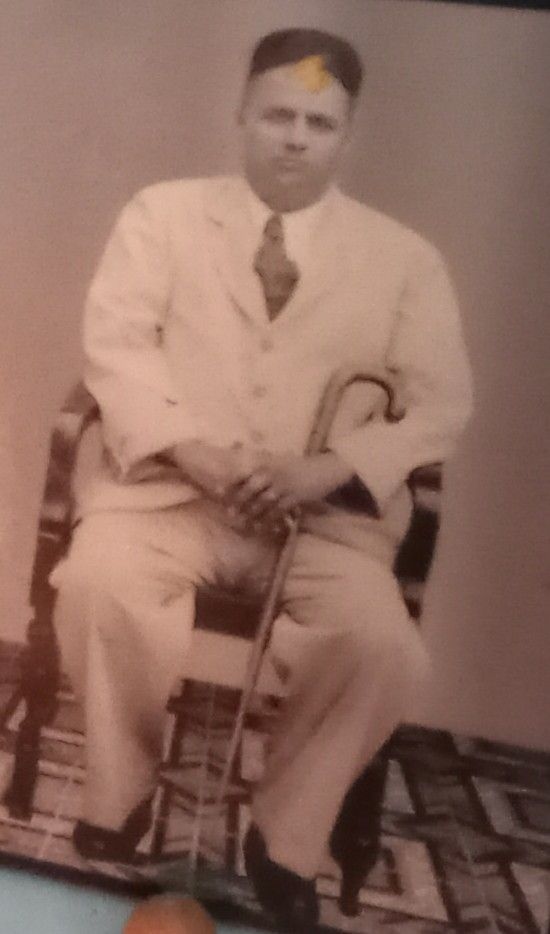
Last February, 2023, I took a picture of my father sitting on his mother’s lap as an infant around 1940. The family elders , my great grandfather, his three sons and their wives are there in the picture. It is framed in the house of Rakesh Chacha ji , in B block Kamla Nagar,Agra. I carried a digital version and framed it in my house in Mississauga Ontario.
Short version- Healing by Memories 1971-1975
In these five years, the infant PNB and family, my mother NB, myself and my sister SR lived in Poona . Our family would visit Benares to the home of Nanaji Naniji . The garden which GPU planted in the 1950s is still thriving. Family members have visited the garden and the present incumbents of E 10. Then PNB went to Vellore for a year. He introduced us to the museums and parks of South India.
Walks in nature, walks in museums, a home library, a journal of our journeys, and morning walks are five gifts my parents gave me which have enriched my life in many ways
Walks in Nature
1970s Nature and Culture
The Ganga is the river of the Indian civilization. Nehru ji said one cannot write the history of India without writing about the history of the Ganga. The Ganga is a witness to our aspirations, laughter and tears, victories and defeats . As I remember the introduction of walks by a river , of the Ganga in Benares area , the difference in attitudes of my grandfather – a political science professor and my grandmother – a devout practicing Hindu come to mind .
E 10
Family Relics
Met a cousin, who was born in that house in 1960s. We spent a great evening in Mumbai discussing family over a meal.
The house from where my parents were married in Jan 1967. The way different family members affect each other was a part of the healing by memories meditation .
Walks along the Ganga
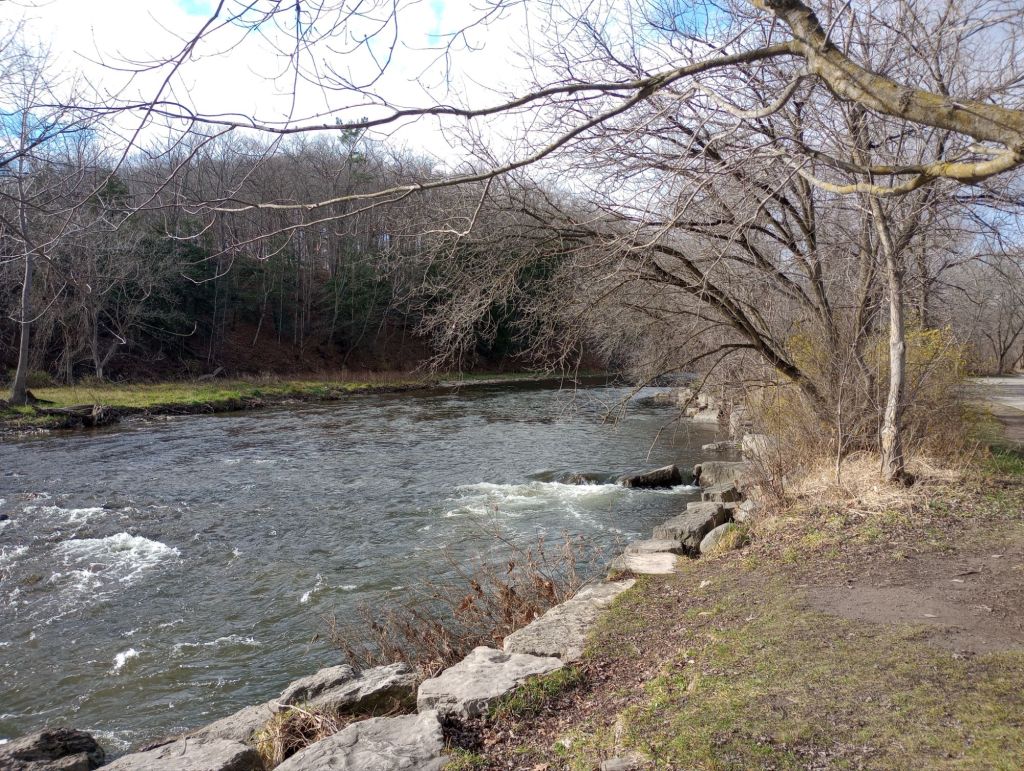
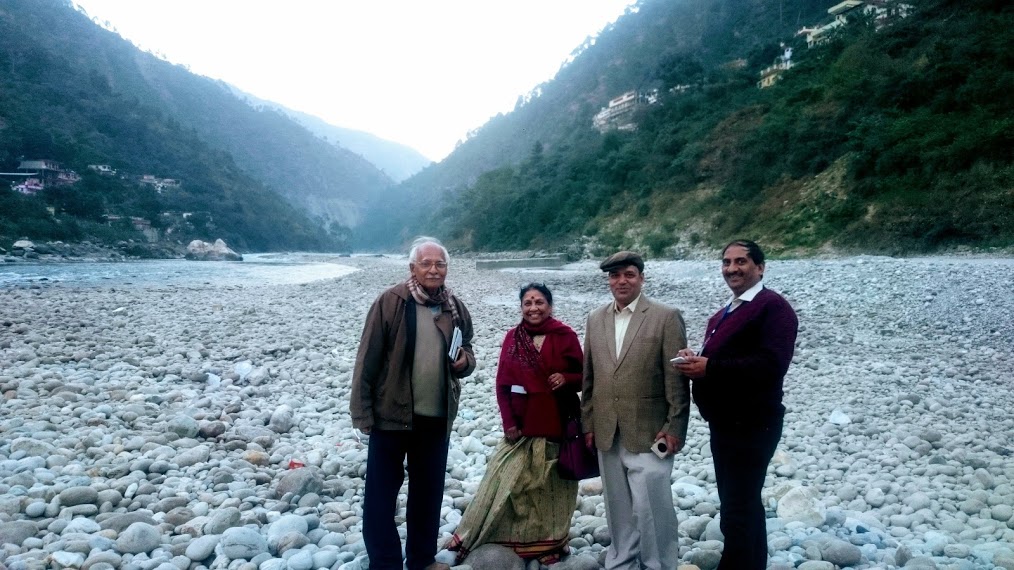
Family staying in Rishikesh Shyampur area introduced me to the Ganga as it comes out of the Himalayas in a very unique way. The three brothers and their sister , each helped me see the Ganga and our histories and nuances in a different way. The eldest brother was part of the Deccan Horse and through him I was first introduced to the importance of armored vehicles in protecting our people. Remember conversations in identity, what it takes to keep s nation safe.
Getting Current – 2024 December
Morning Hour Rajaji National park
On a drive through Rajaji National park in the early morning hour before sunrise , the fellow traveler told me how he has seen elephants, antelopes and big cats come on the road in the night. He talked about the Church he is a part of. I told him of my associations with spiritual places in North Africa, South Europe and North America. As we carefully crossed the forest area and reached the Shyampur Rishikesh area before sunrise, we talked about how according to tradition, Mary the mother of Jesus spent her last days in Ephesus, present day Izmir province of Turkey. When I used to stay in Tripoli Libya I have visited these areas associated with the Bible , the churches in historical Constantinople.
Metta at Triveni Ghat Rishikesh

Principles Meditated Upon on the banks of Ganga : Non floating versus Floating Approach
The way of considering sati may be related to the definition of sati as “non-floating” and therefore as “plunging into its object”. Certainly the absence of “floating”, in the sense of distraction, is a characteristic of sati.
Analayo interpretation of Satipathana Sutta .
Some conversations: When was the last time you came here. A cousin asked. I told how I first started coming here in 1970 s and have prayed in the foothills of Himalayas. I remembered the walks and meditation at Ram jhula, Laxman Jhula, Rishikesh area and Bilu Kedar , Dhari Devi Temples of Srinagar area , and the Chamoli area , Karanprayag areas . In 1986 , my parents had taken me to Badrinath and Kedarnath areas , and my father took me for walks beyond Badrinath area.
AARTI AND PRAYERS
My plan to have a short hello at Shyampur was turned down to include an Aarti and prayer at the Ganga in Rishikesh. The prayers and meditations at Triveni Ghat Rishikesh, 14 Dec , took the form of Metta Living Kindness.
Short Version of Metta Prayers
The shorter version of Living Kindness has Metta , sending wishes of safety, happiness, be at ease , free from pain and suffering. This is done for mentors, loved ones, benefactors, neutral persons and also for persons with whom one has strained relations. The energy when one does Metta prayers and meditations for different persons helps us become more aware of our tendencies, reactivity, responsiveness and areas for growth.
Longer Version
This includes Metta , living kindness, Mudita happiness, Karuna Compassion, Upekha Balance.
Application in Palam
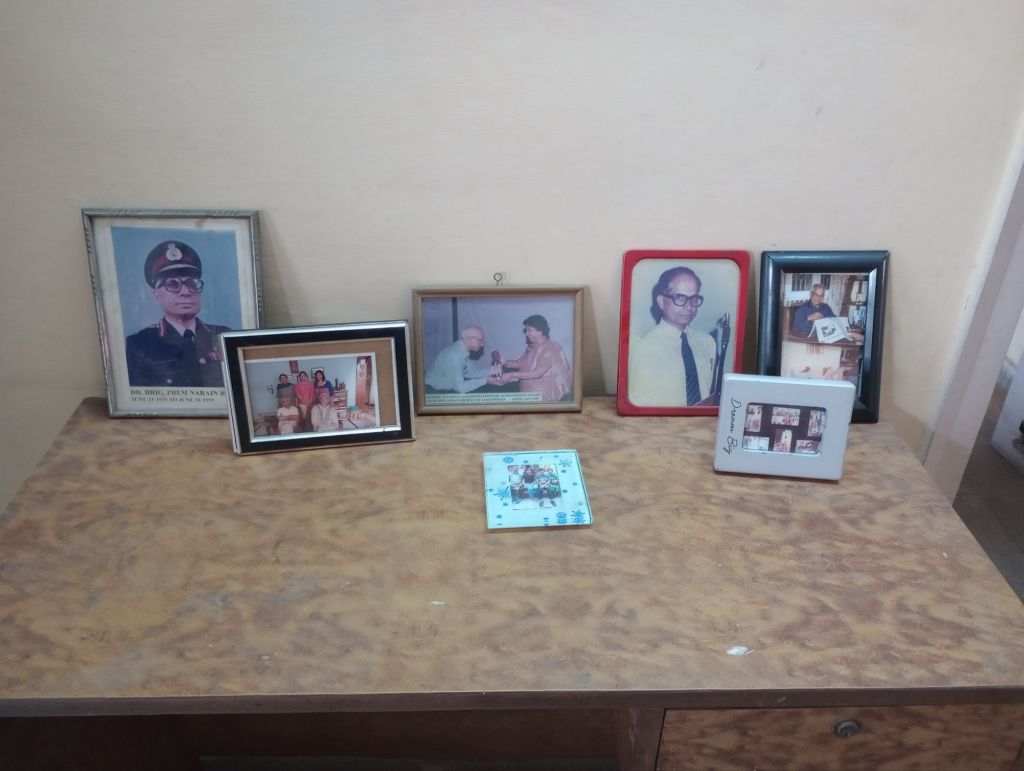
Did Metta prayers for the spirit of my parents, the causes and conditions of the 1960s India which made them evolve their identities in early adulthood. Those were the Nehru years when the first post independence generation came of age . Those were the times when my father went for his first tour of duty to the North East . The passing away of his father, the changes in family dynamics . Life long friends in the medical and military institutions, some of whom are associated with family to family ties for over half a century.
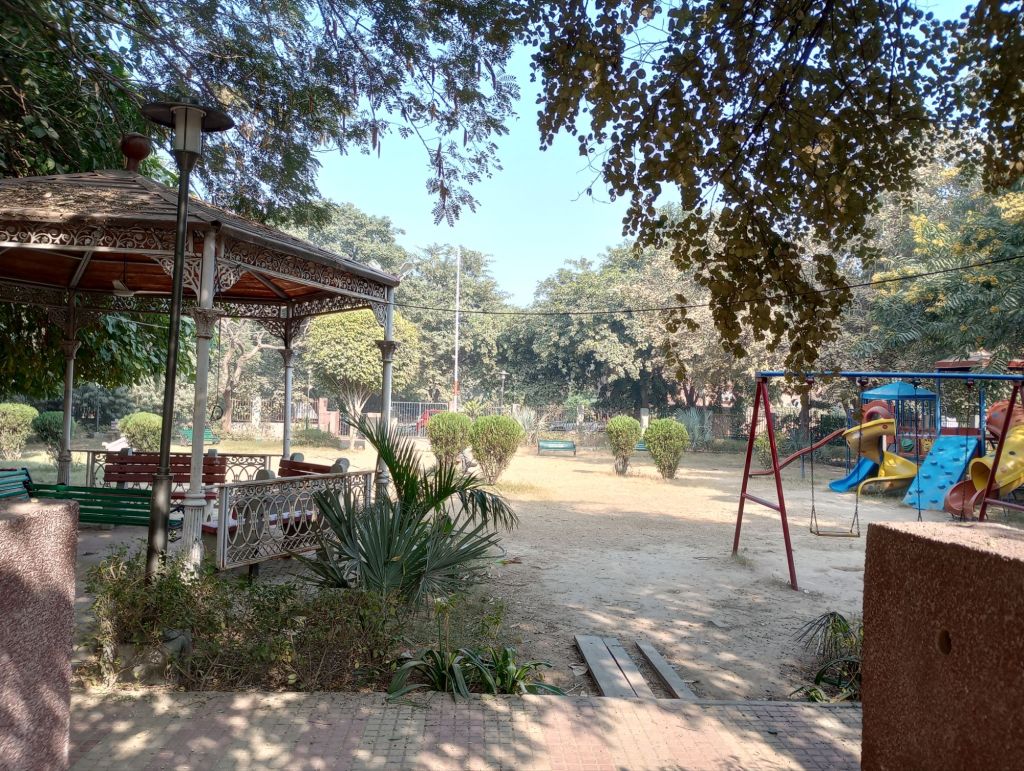
B block park Palam Vihar Metta prayers
While walking to and fro from Palam B to C block, remembered Saraswati Bua ji.
Remembered the time when children Sagar and Sahil would play there
Application Exercise
Can you remember a park which has been a part of your identity.
,