Every journey has many lessons and background processes involved.
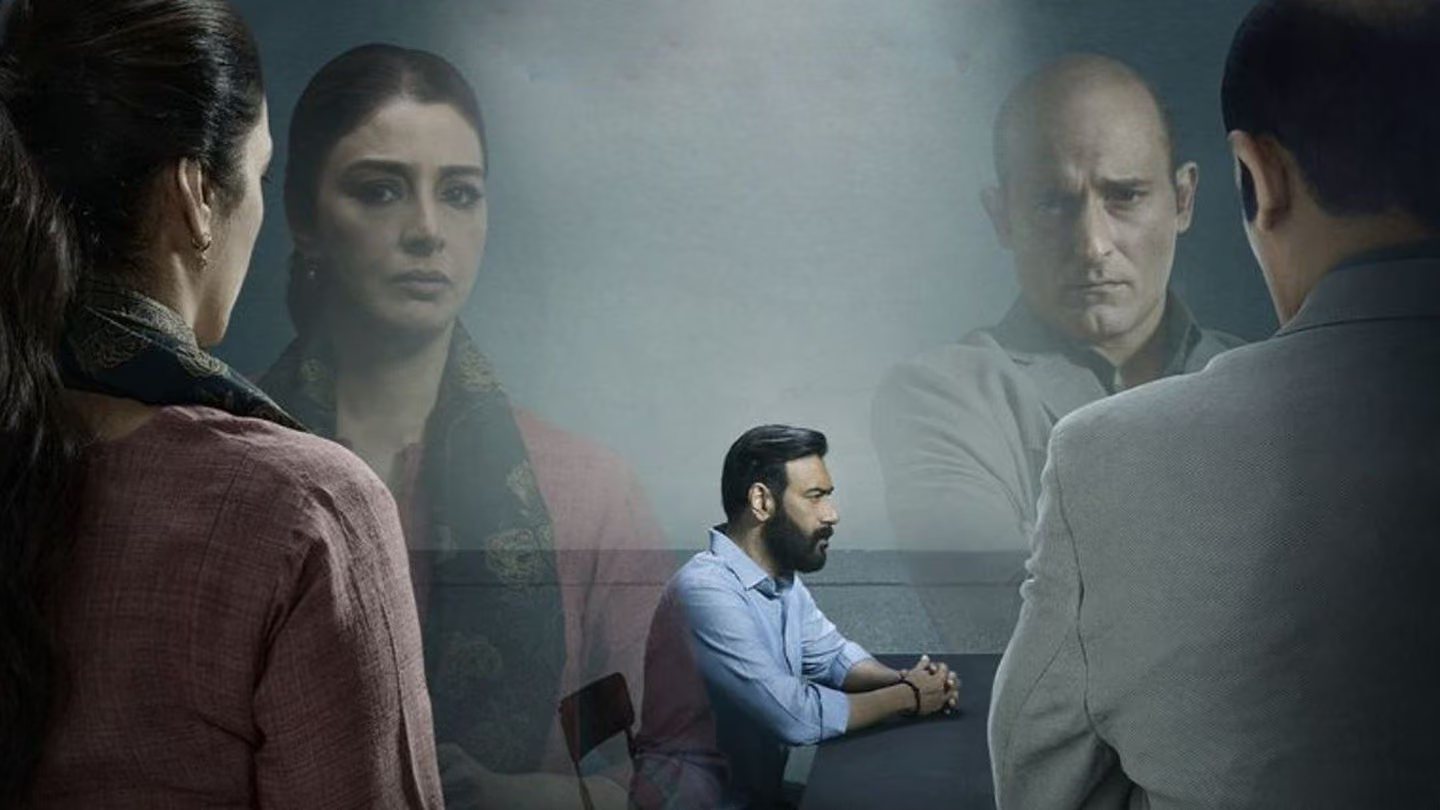
This November (2026) we went to Courtney Park Cineplex again and later reviewed some pictures in our family files together.
Keeping a Reading Journal-RJ has been a life long quest, which was imbibed in me by my parents and other family seniors. In addition to the RJ I also keep files with pictures, collages and notes with comments from family members.
In this blog- we go through some entries on the movie series Drishyam and our discussions on the family dynamics, intersections with law, justice and other society. While reflecting on this series in my Morning Self Improvement Hour-MSIH- a tool which I have refined over the decades, I look back at Foucaudlan panopticism – a theme developed by French philosopher Michel Foucault in his 1975 book Discipline and Punish. It helps us understand how order and control are not done through brute force but through continuous surveillance and internalization of authority
The Architectural Origin: Jeremy Bentham’s Panopticon
The layout of circular cells surrounding a central watchtower lets the guard in the central tower see each cell, while blinding the prisoner from seeing inside the tower
Application in Drishyam
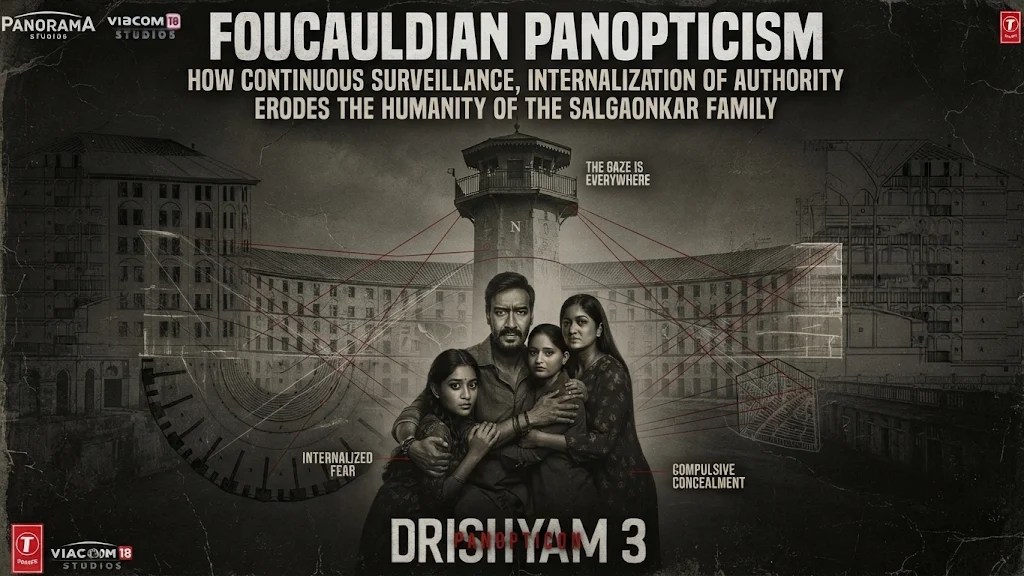
Through the illegal surveillance of Shiv-Jenny-the Salgaonkar family is observed for many years eroding their existence as a normal family
Dialogue
Jo Humaare saath hua hai, uske baad hum kabhi normal nahin ho sakte
After what has happened to us, we can never we normal
Paraphrased from Vijah Salgaonkar- Drishyam 2/3
He who is subjected to a field of visibility, and who knows it, assumes responsibility for the constraints of power; he makes them play spontaneously upon himself; he inscribes in himself the power relation in which he simultaneously plays both roles; he becomes the principle of his own subjection.” — Michel Foucault, Discipline and Punish
From Prison to Society: The “Disciplinary Society”
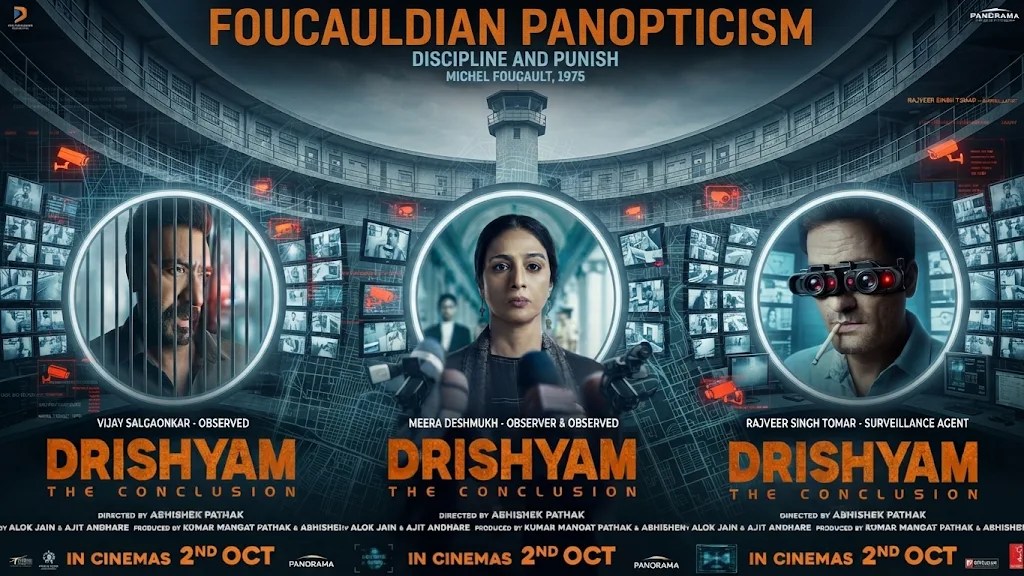
The Panopticon is not just a prison blueprint but a metaphor for modern institutional power. Foucalt observed that schools, hospitals, factories, military and workplaces all operate on panoptic principles. There is constant grading and performance metrics, CCTV cameras to digital tracking to social judgment and subtle molding to conform.
Application to Drishyam
Last time you left them open, this time follow them and wherever you see them together, photograph them
Pichle baar un dono ko khula chod diya tha, is baar jahan bhi saath dikhein..chaap do
SP Crime Branch-Rajveer Tomar-Played by Jaydeep Ahlawat
Who says- Mein Shani Hoon..jispe nazar padi
Uska bura time aa gaya
I am Shani (Saturn)… whoever my gaze falls upon,
their bad times have begun.”
(Note: In Hindu astrology/mythology, “Shani” refers to the deity of the planet Saturn, whose gaze or influence—often called Shani’s drishti—is believed to bring hardship, trials, and misfortune.)
After what has happened to us, we can never we normal
Paraphrased from Vijay Salgaonkar- Drishyam 2/3
READING JOURNAL- Keeping a Reading Journal and reflecting on the messages and themes of the characters has been a family legacy -passed on to me by my parents and family elders which has enriched our life in many ways.
FOOD FOR THOUGHT
The State Gaze as Shani’s Drishti: SP Rajveer Tomar frames his relentless surveillance through the archetype of Shani (Saturn)—an inescapable gaze that brings trial and misfortune.
How does blending mythological fatalism (Shani’s drishti) with modern state surveillance
(“wherever you see them together, photograph them”) change how we perceive institutional power? Is authority experienced as objective law, or as an ominous, personal curse?
Discussion Question
How have immigration and related documentation changed our life?
Sympathy for the Subversive: Drishyam invites the audience to root for a protagonist who actively subverts the justice system to protect his family. Why do audiences so readily side with familial loyalty over institutional law when the state is portrayed as invasive or corrupt?
As the character Meera Deshmukh (played by Tabu) says in the end- He made everyone see the story from his viewpoint. Despite our son being murdered, people sympathize with him.(paraphrased)
Discussion Question
Which side do you see?
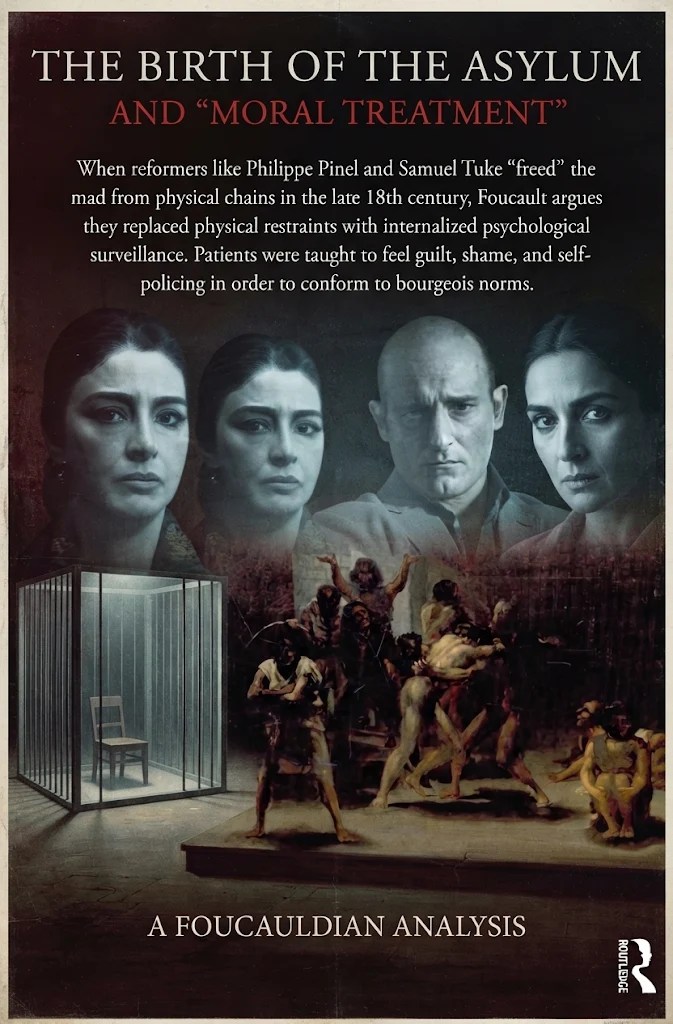
ON PSYCHOLOGICAL PRISONS
Itni Achi Sundar family ko chod ke, raat ke teen baje, phawda lekar, police station mein kya karne gaye the
“Leaving behind such a loving and close-knit family at three in the morning with a shovel—what were they really going to the police station to do?
Here is a look at how characters like IG Meera Deshmukh and IG Tarun Ahlawat build an inescapable psychological prison around the Salgaonkar family.”
Earlier Perspectives
Family Reading Journals- A letter
THE ZERO HOUR … This is a technique to incubate and simmer various thoughts
LEGACY … they say, grandchildren are the legacy which one will never see physically
THE HOME LIBRARY…is a resource built intentionally to read and reflect on works of literature, self improvement, art and also included in these are the personal photo-albums, and journals.
SOME WALKS
The Malta Years 2010-12.. when children were in middle school- St Edwards Cottonera , just before their Teenage years