In this blog, I look back at some entries of my diaries and journals, discuss how walks, naturalists, and reading groups helped me shape the year and give a worksheet for exploring local fauna and flora and local histories.
I remember the grade 12 science project which I made in Delhi-1985, when I passed out of Army Public School -Dhaula Kuan- in which I studied the plants of the Ridge of Delhi. After reading and discussing Kevin Fedarko’s book- A walk in the Park- went for a walk through some conservation areas like Riverwood, Rattray Marsh, Bronte creek, Niagara with an eye for geological time.
Journals of a Walk
Reviewed notes of walks and discussions 10 years ago in Tripoli, Libya and read again the works of Robin Sharma (RS) on the difference between a journal- where one can reflect and refine rather than a diary-which may just be a log of events
See Blog 2015
DIARY VERSUS JOURNAL
In “Who will cry when you die” the writer-speaker Robin Sharma tells about the difference between a diary and journal. A journal he says is one of the best personal development tools one can have. In this private space, one can reflect and refine on what we do, why we do it, and what lessons we have learnt.
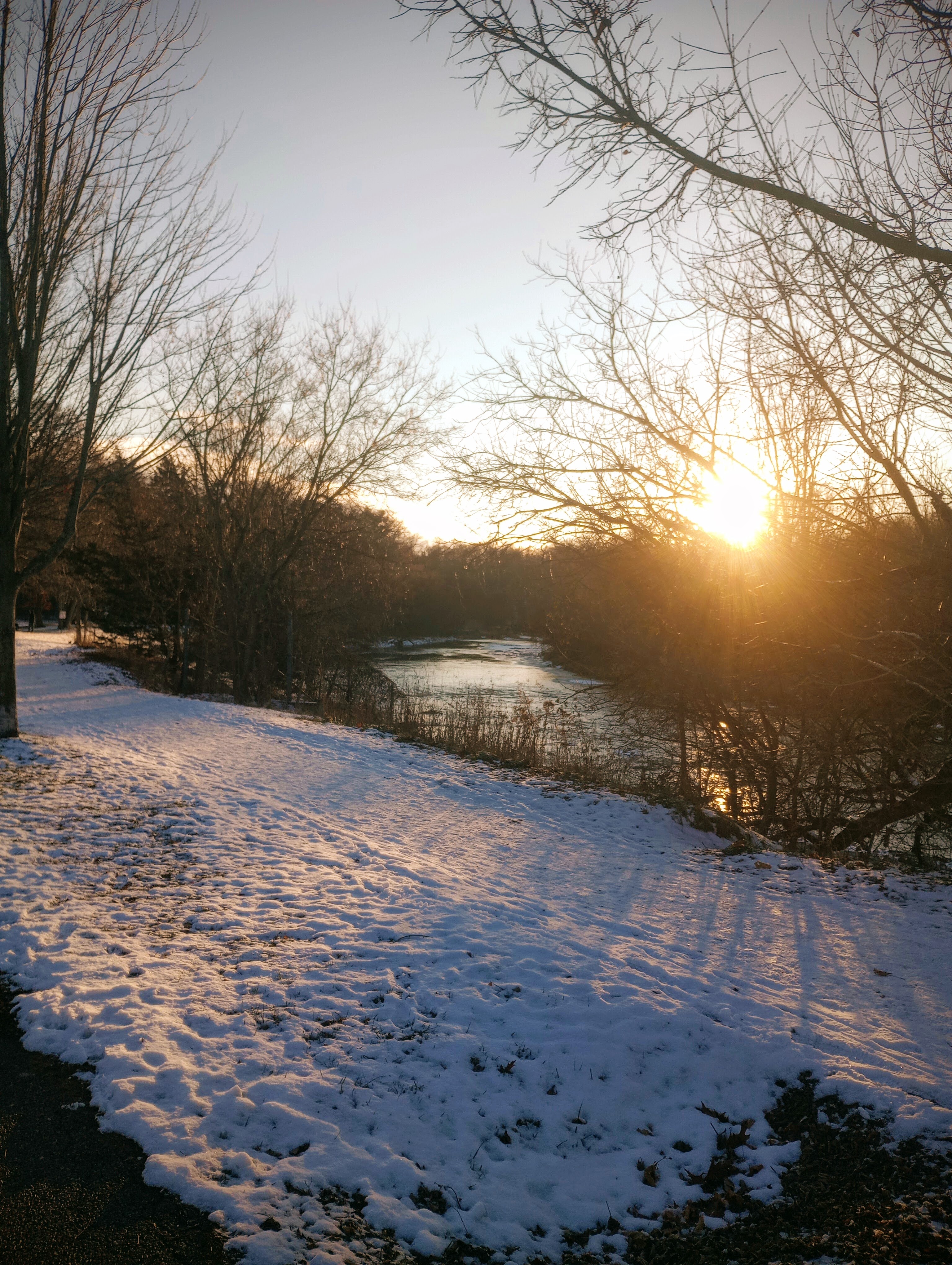
In the walks of this year, I went into consciousness of geological time, cosmic time, and related it to the plants, animals and development of the Riverwood Conservancy Area, after reading Kevin Fedarko’s book- A Walk in the Park which was discussed int the Book club of Frank McKechnie Centre Library in December.
Walking through Time
“ I saw that by going down that huge fissure in the face of the earth, deep into the space and the silence and the solitude, I might come as close as we can at present to moving back and down through the smooth and apparently impenetrable face of time” Colin Fletcher’s words -in The Man Who Walked Through Time- (1968) describes his journey through the Grand Canyon in 1963.
The book Walk in the Park by Fedarko, goes into the way other explorers went down the Grand Canyon, and the influence of Major John Wesley Powell-1869 to explorations by Colin Fletcher in the 1960s and Kenton Grua in the 1970s and Fedarko in 2000/2010s.
The approach of Fletcher, Grua influenced Fedarko and made me also reflect on our own walks in some natural areas, and associations with volunteer organizations, art groups, theatre groups which have added many cultural nuances.
The Geological bedrock beneath Riverwood Conservancy (Established in 2002) originates from sediments of a vast, ancient inland sea around 445 million years ago (Ordovician Period). The Queenston Shale was later carved by the Ice Age Sculptor by the last continental glacier- the Wisconsin Ice Sheet-around 20000 years ago which deposited vast amounts of till- a mix of clay, sand, gravel, boulders creating the rolling hills. The Credit River was formed from the meltwater and the deep glacial Lake Iroquois was the precursor to Modern Lake Ontario.
The forest has matured into a mixed deciduous-corniferious ecosystem which is part of the Carolinian Forest Zone, with species such as Sugar Maple, Beech, White Pine, Hemlock and Oak growing into a dense forest with rich understory and abundant wildlife – such as Black Bear, Wolf, Elks, Passenger Pigeons.Walking through Riverwood- with sense of geological time and seeing the evolving ecosystems made me aware of some nuances.
The contribution of McEwan and Chappell Families in donating their lands to development of the ecosystem , the work of Riverwood Conservancy, added to my understanding of this area.
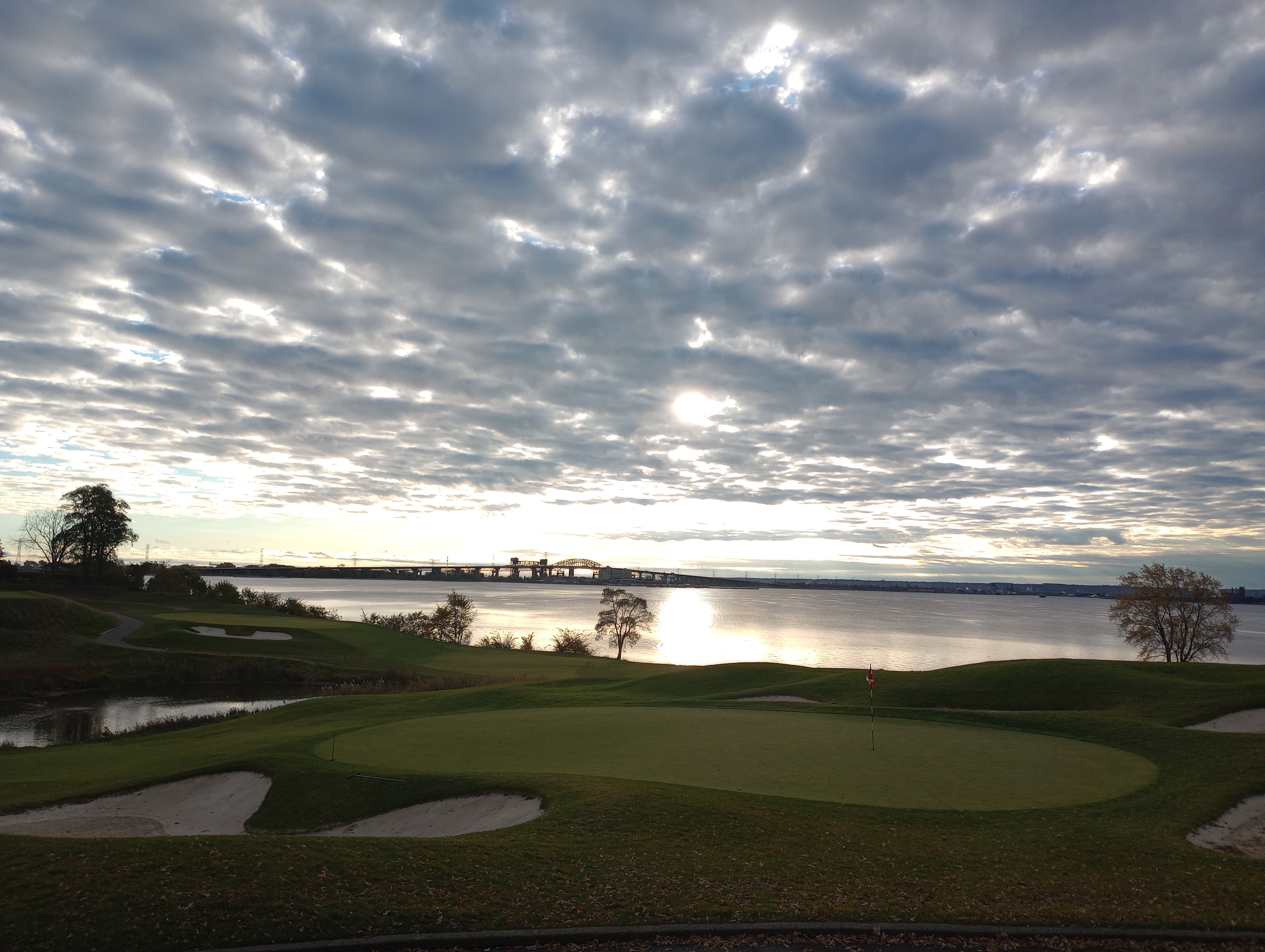
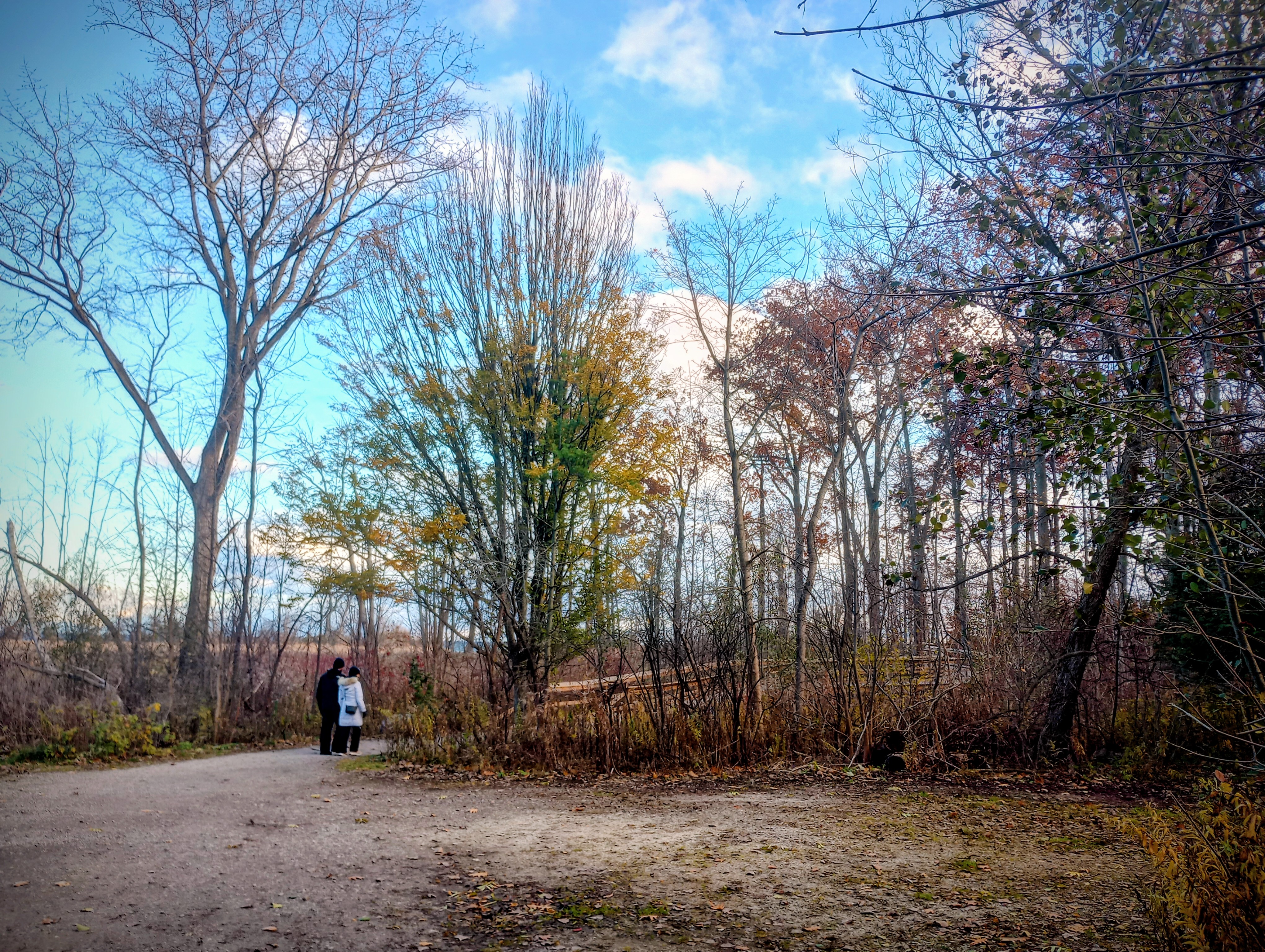
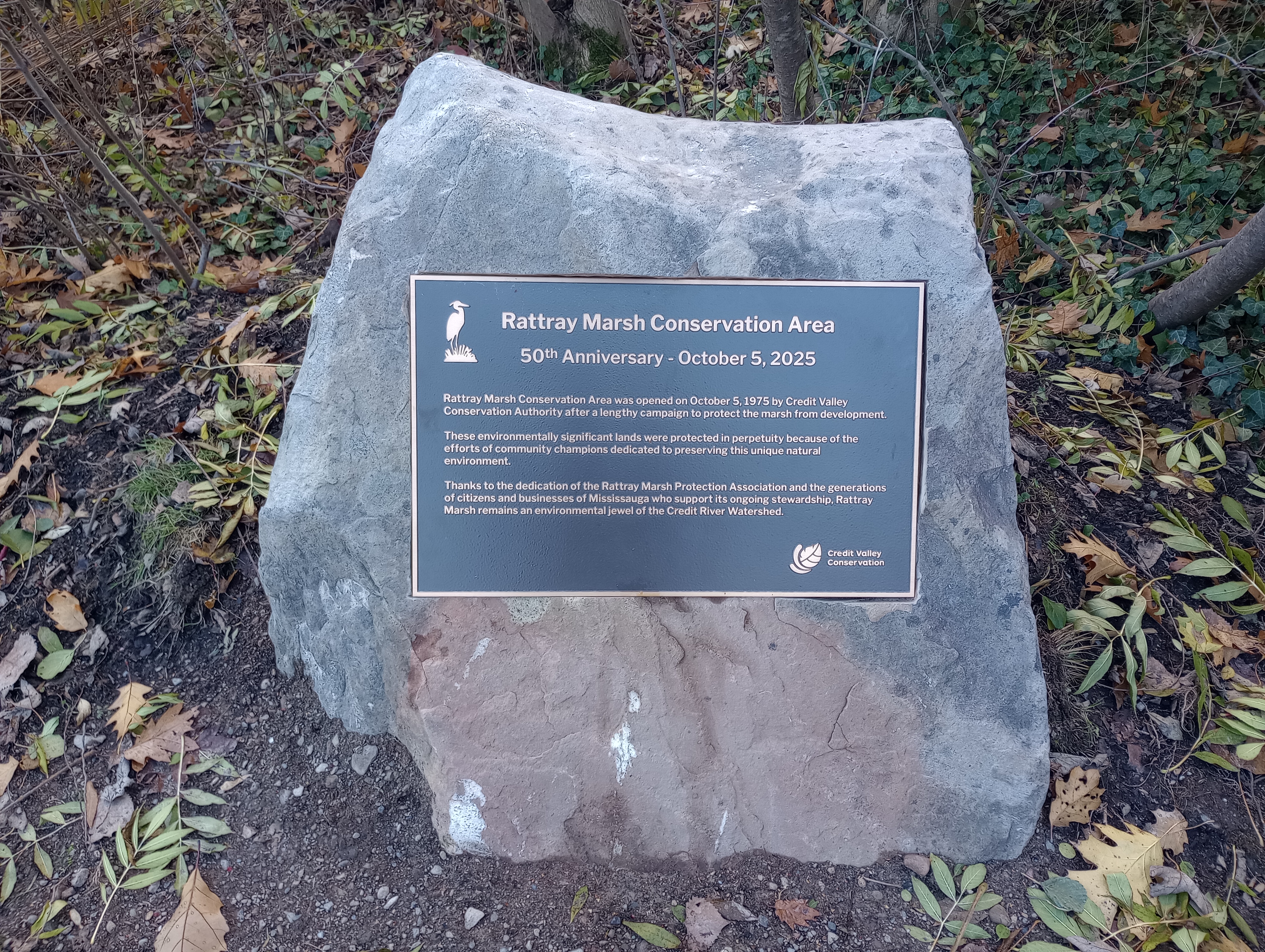
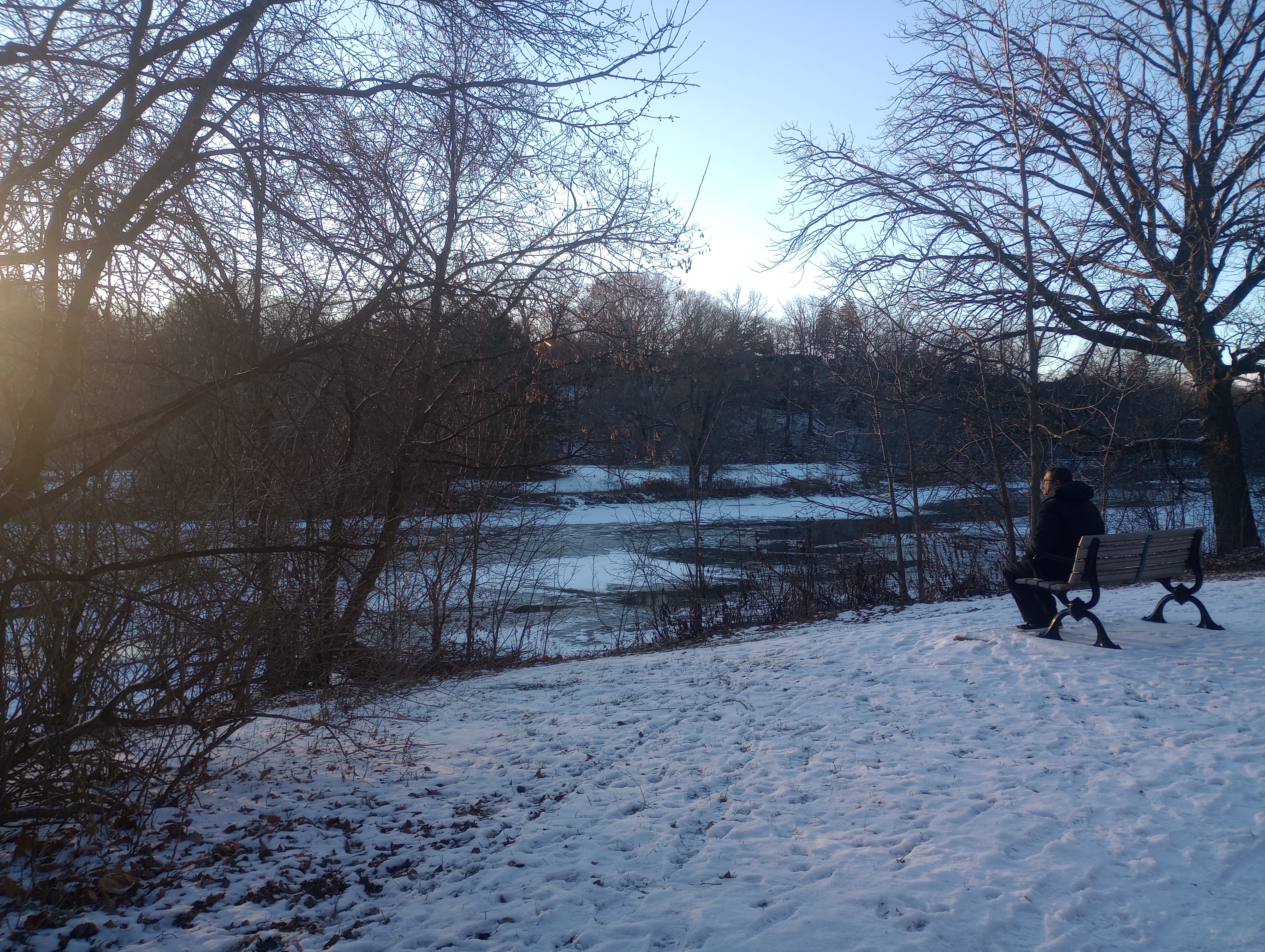
Some ecosystems, geological areas which we have seen in Southern Ontario are as follows
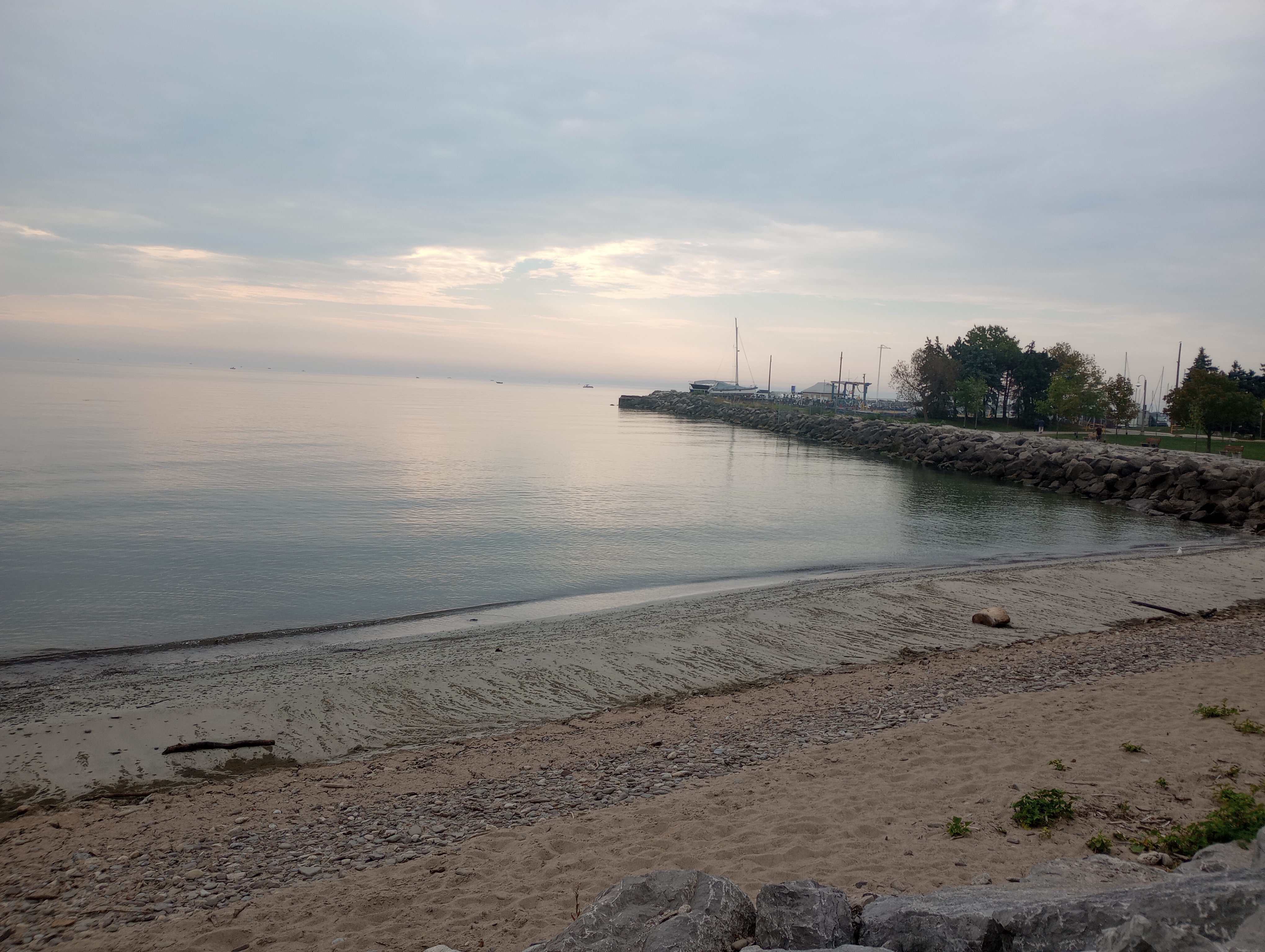

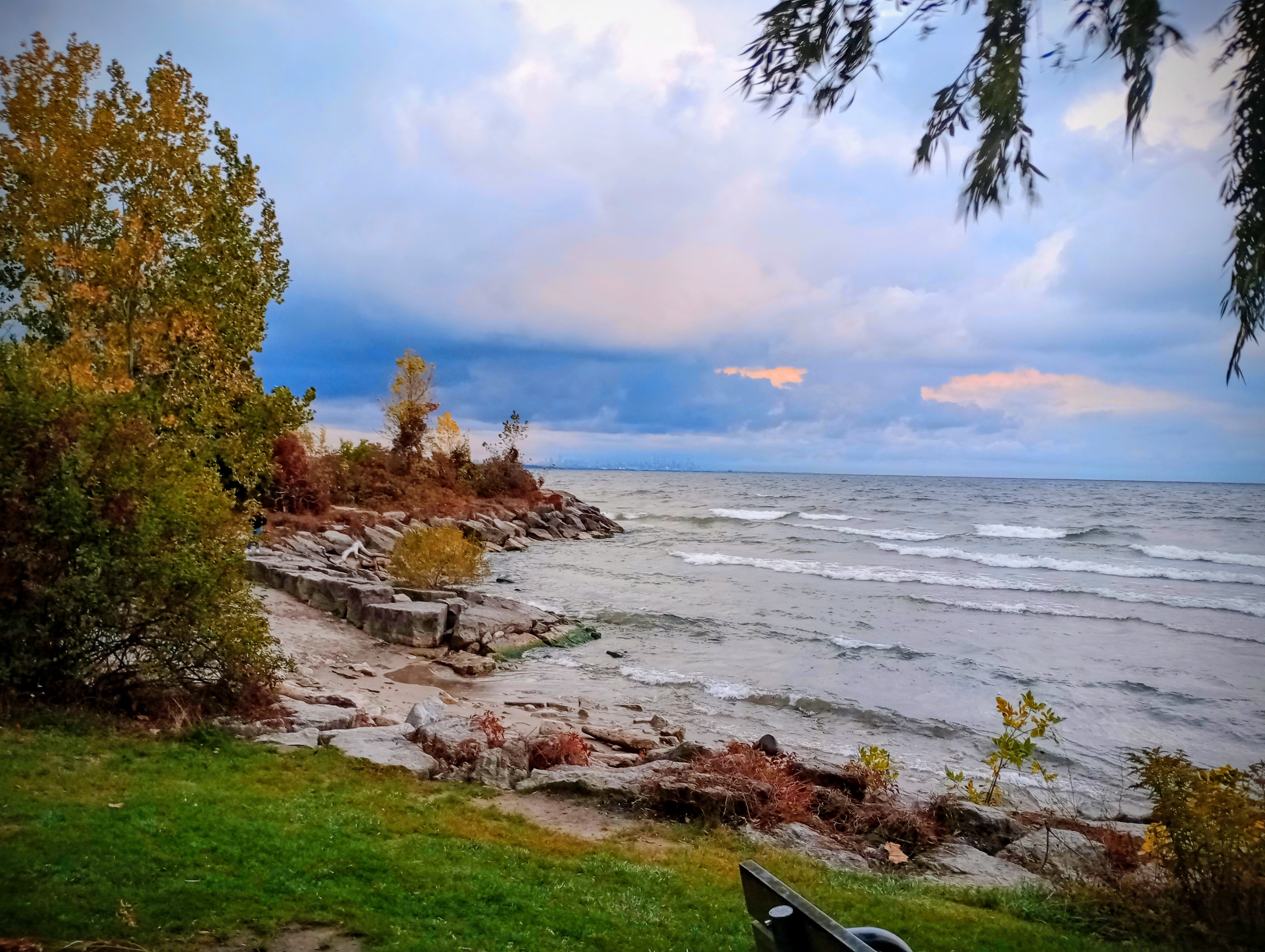
Quest for Adventure: Home Library Resources
Fedarko’s book reminded me of “Quest for Adventure” by the mountaineer Chris Bonnington, which I added to my home library in Tripoli in 2004-in the annual fair of ISM International School -where I first met my friend and mentor Mr.Francis.
In the book Bonnington lists the main adventures of the second half of the 20th century -which included Rivers-The Blue Nile, Deserts, Mountains-Everest, Annapurna, Space-Moon, Sea, the Poles.
He begins the book by saying how this book resembles an expedition or voyage, an adventure of the mind. He goes into the what and the why of adventure, his own beginnings as it is only through one’s own experiences that one can analyze motives and feelings. It began with a picture book of the Scottish hills, picked up at the age of sixteen. In telling of this expedition of Annapurna-South Face-Big Wall Climbing in the Himalayas-1970, Bonnington goes into history and spirit of Everest Explorations. He goes into the antecedents of John Hunt-1953 Everest, Eric Shipton- who first went to Everest in 1933 in an expedition lead by Hugh Ruttledge and the tragic 1924 expedition where George Mallory and Andrew Irvine disappeared.
Earlier Perspectives-2019 On 50th anniversary of Man on Moon– we went through -First on the Moon- in which Bonnington goes into the presumptions he had about the personality of Neil Armstrong and how he found NA to be in many ways the archetype of what one images an astronaut to be- steady, conventional, phlegmatic and not over-imaginative, but as he talked to him- CB realized that Armstrong loved to fly as intensely as Bonnington loved to climb.
Born in 1930 at Wapakota, Ohio, he got his pilot’s license before he was old enough to drive a car, became a Naval Aviator in 1949, in time to serve in the Korean war where he flew 78 combat missions.
Year End Notes-2025: Walking Through Time
This year, I re-joined the Book Club, (which I did regularly from 2017- till Covid lockdown). It helped me read new interesting books , have rich discussions and also mine my home library for old books collected over the decades – from India, Libya and other places.
These readings helped evolve my Mindfulness practices and see how walking in a park can also be a Walk through time.
EARLIER PERSPECTIVES-BOOK CLUB 2019
We learned to whisper almost without sound
Handmaid’s Tale-Margaret Atwood
Why this Emptiness after joy?
Why this Ending after Glory?
Why this nothingness where once there was a city?
Who will answer? Only the wind
Which steals the chanting of priests
And scatters the souls once gathered.
…
Hisham Matar -The Return.
WORKSHEET- Mindfulness of Geological Time- some Local Histories of 50 years of Rattray Conservation area-Port Credit Mississauga , Bronte Harbour- Oakville and evolution of Burlington from villages of Wellington and Nelson- first post office established in 1826.

 Prashant Bhatt's notes