As I met Mayank at Rochester Campus-John Street we took a walk through his campus, he showed me buildings where he has his classes, told me about the clubs he has joined. Then we sat and prayed on a bench – thanksgiving for all the people who have helped us reach this level and place, and a thanksgiving for all the persons who keep the campus running.
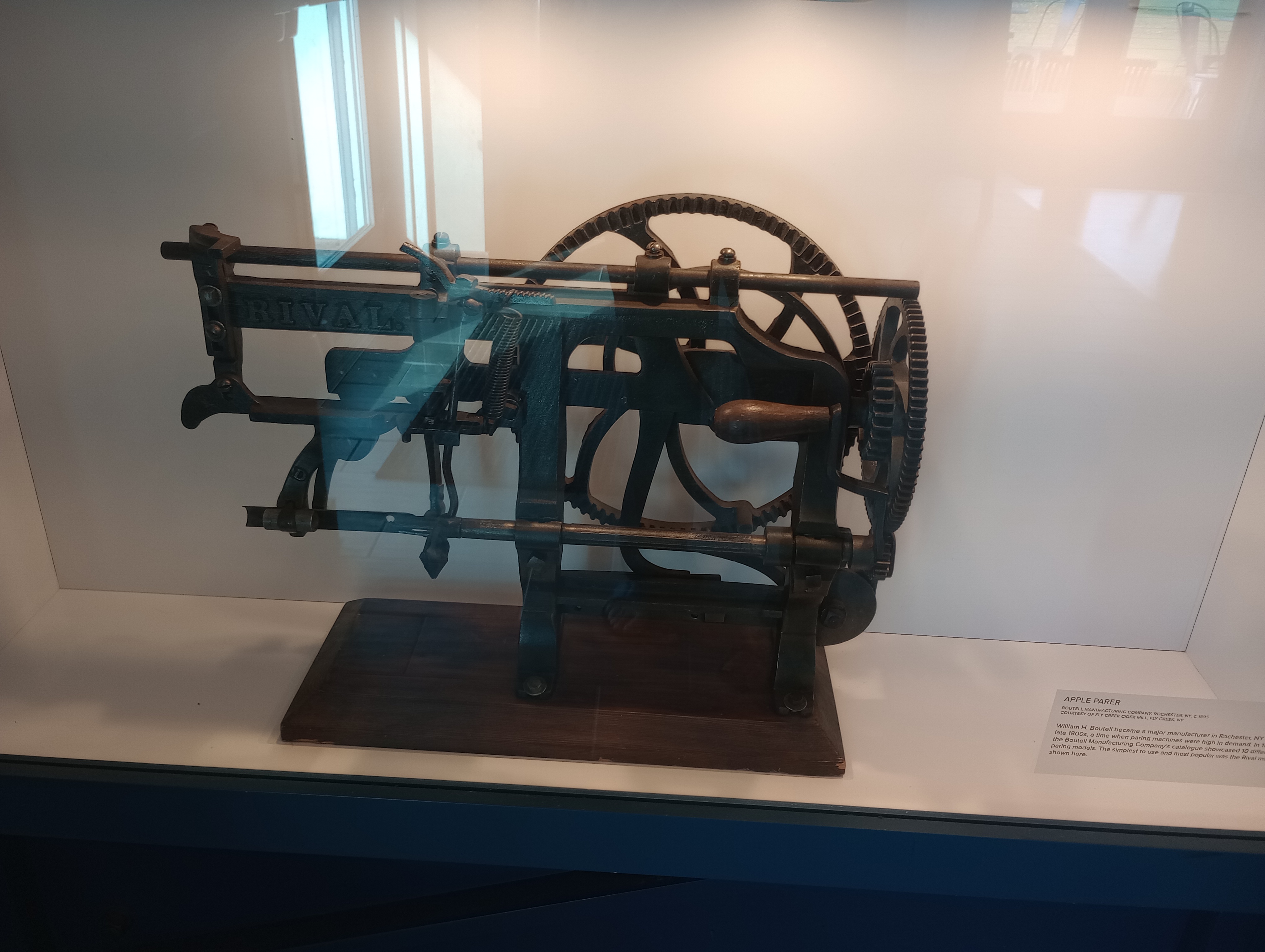
Later we talked about the historical and natural New York state and I shared with him some glimpses of the Rochester Science History through these pictures
APPLE PARER- BOUTELL MANUFACTURING COMPANY-ROCHESTER-NY-1895 William H Bouttell was a major manufacturer in Rochester NY in the late 19th century. This is an Apple Parer built around 1898.
LITERARY JOURNEYS
I started early from Mississauga, crossed at Lewiston and reached M at 8 am. On the way, listened to the story of the Wilmont family.
Updike in his 1996 novel, Beauty of the Lilies, follows four generations of the Wilmont family, starting with Clarence, a minister who loses his faith, and becomes a salesman of encyclopedias. The title of the novel is adapted from the American patriotic song by Julia Ward Howe, first published in 1862 which links the Union cause with God’s vengeance on the day of Judgment.
The relations between the father as he goes down with cancer esophagus and his son and other family are rich explorations of aspirations.
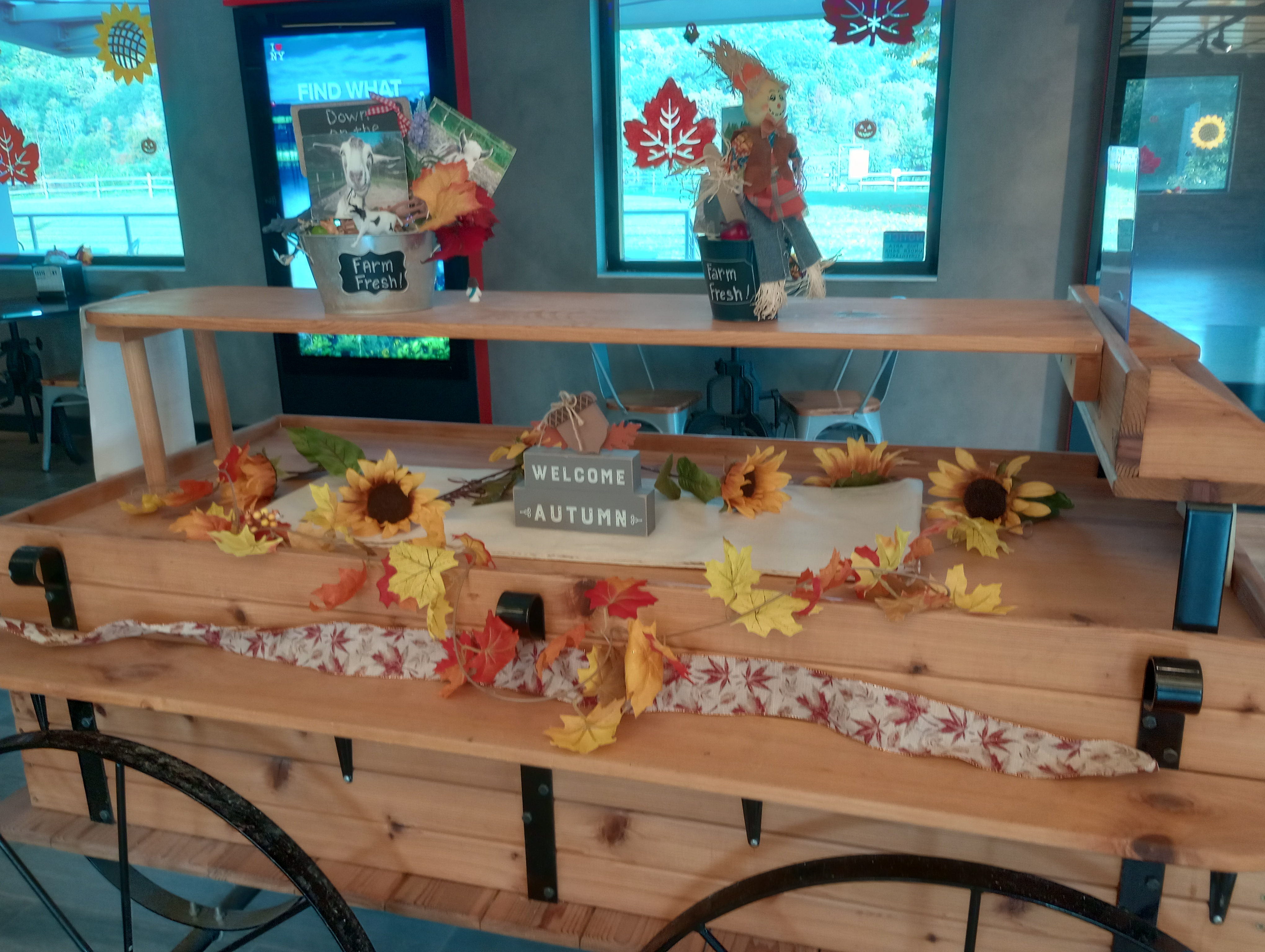
Welcome Autumn-2024
Previous Perspectives
2011- discussions with Mayank- on his trip to Agra, and Shivaji’s escape
Agra Fort’s most famous prisoner was Shah Jahan. However, Mayank found the tale of Shivaji’s escape from captivity more exciting and recalled the events of May –July 1666. He has been seeing the serial Vir-Shivaji very closely (eats food only while watching the serial) and hence this part of history of Agra Fort especially appealed to him.
30th August was Grief Awareness Day, and part of that is thinking about why we need such a day in the first place. Grief is often overlooked as an issue people need help with, and the severity of the consequences can simply be lost in passing.
It was perhaps put best by Joan Didion in her 2005 book The Year of Magical Thinking, noting that “People who have lost someone have a certain look recognizable maybe only to those who have seen that look on their own faces. I have noticed it on my face, and I notice it now on others. The look is one of extreme vulnerability, nakedness, openness.”
That inability to see grief means that many suffering from it often do so alone, unwilling to see the issue for what it is and recognize that they do need help. That makes it ever more important to be able to recognize and understand grief, and support those suffering from it.
The most commonly referenced work on grief is by Kubler Ross and David Kessler, with their stages of grief model. This encompasses Denial, Anger, Bargaining, Depression, Acceptance, and finding meaning. But while that is a neat package that sets everything out clearly, what does it mean in practice?
If we look at a recent case study, we can get some idea of how we find meaning within grief itself.
A man’s long-term partner chose not to attend as he went for MAID – Medical Assistance in Dying – support, hoping to avoid further conflicts with his family. While his sons do recognize and accept her, the extended family, including his ex-wife, the mother of his sons, and her relatives, would be uneasy with her there.
The result of missing those last moments had a lasting impact though, leaving her with feelings of guilt, shame and confusion, and to help find meaning in all of this, we turn to Narrative therapy.
Specifically, we utilize the Re-remembering approach of Narrative Therapy. This allows us to dig deeper into the implication of one’s contribution to the person’s identity, that person’s contribution to our life, how one’s identity would be viewed through that person’s eyes and the implication of these contributions (White, 2007).
By adopting this strategy, the following conversations about identity allowed her to look at how her partner had helped her to process her own loss after the ex-husband passed away, and her desire to be there for her own sons from that marriage. Her partner’s support in that difficult situation led to deeper conversations about the processes of family, parenting and life.
From here, she was able to see that her own contribution to his identity centered on finding a renewed value and meaning in the connection he had with his stepsons after his marriage had ended. His stepsons spoke at the funeral and mentioned how they had seen a different way of relating as their father (He was the only person they knew as their father).
Viewing your own identity through another’s eyes allows us to see their impact beyond day-to-day life, revealing a much richer connection and the impact they have in a wider context of our own personalities and behaviors.
Exercise
You can do this for yourself too, and it’s a great tool to use when dealing with grief of any kind.
To try Re-remembering, sit down and spend some time thinking about someone you know who has physically passed. Remember them, and the joint energy you felt in that relationship. To help with this, think about a shared moment, and how it felt to be together in that moment, what you retain from it today and how you could imbibe that energy today.
Think about how comfortable it was to share that experience, and then focus on what the overall experience, of both re-remembering and of sharing, has been like.
As an example, when I do this exercise, I think about nature walks in the early morning, the gift my father gave to me many years ago. On the 4th anniversary of his death, I took a walk up the hills near Haridwar, Uttarakhand in India, and used that walk to re-remember him.
That moment brought everything together, the memory of the joint energy we shared on our walks, and the many walks I had since taken without him, where I had also felt that same energy as part of my experience. But walking in nature was not the only thing that I have carried on from my father’s inspiration.
Another is the use of flashcards and checklists. No, those shared moments don’t have to be something out of the ordinary or a specific moment in time. In my pre-school years, I saw him make flash cards of important drugs, how they would interact with other drugs and with body systems in different stages of disease (he was an anesthesiologist). I still use those same techniques today in my work, and I would say that using flashcards and checklists is integral to my professional identity, so important to what I have become.
Re-remembering for me brings back all these things, nature walks, flashcards, checklists, and how they each contribute to the meaning of the others. In the 1980s, we went for nature walks to the hills of Shimla, Himachal Pradesh, India and he talked about his younger childhood years. We prayed at the temples which he had visited as a child. Those pilgrimages and museum walks have given me the spirit of taking my own sons, nephews, nieces to museums, natural areas.
If his spirit would see or experience this, he would view it as an extension of our walks together in the Western Sahyadri ranges and Northern Himalayan ranges of India. It is that understanding that helps put my love of these walks in context, in the same way using flashcards is. Those are the lasting influences of the beautiful relationship I had with my father.
References
White, M. (2007). Maps of narrative practice. WW Norton & Company.
This month is International Overdose Awareness Day (IOAD or Overdose Day), a global event observed on 31 August since 2001. Its purpose to raise awareness of overdoses
“Time to remember. Time to act” is the slogan used by campaigners.
Key facts :
In 2023- 8,049 apparent opioid toxicity deaths (7% higher than the same period in 2022). In the period of Jan 2016 to December 2023 there were 44592 apparent opioid toxicity deaths, most in males (72%) with ages 30-39 being the most affected (29%).
Fentanyl was associated with 82% of these incidents in 2023, an increase by 44% since 2016. (Public Health Agency of Canada; June 2024)
Going beyond statistics: Loving someone in Recovery
Attachment theory and neuroscience have given therapists additional ways to describe and approach codependency.
If you are overly invested in a partner or loved one who is currently in recovery from a substance (alcohol, opioids including heroin and prescription pain, cannabis, nicotine, amphetamines, cocaine, methamphetamine), or a process (eg. Gambling, Internet, Workaholism, Raging, Sex) it is quite possible that you do not feel securely bonded in your relationship.
This may lead the bonding in the relationship to become an inconsistent mix of resistance, rewards, rejection, reinforcement leading to a want to be released from the misery to being related in a more meaningful way. Enter the world of being in an emotional and psychological state in which one is excessively preoccupied with taking care of or controlling another person at the expense of one’s own needs.
Stigma and Secrecy: Echoes of Silence
As a primary school student, I came to know about overdose, after the death of one of the family members of a colleague of my father. This was in Pune, Western India in the 1970s. Over the decades, being in the medical profession, I have known many who have become dependent on prescription medications, recreational drugs and beyond. Every medical campus has such cases, though there is a lot of stigma, secrecy and no open discussion.
These silences in campuses, communities have left an echo, which can be heard in the lives of those affected by addiction.
Resisting the Czar of the Heavens: The 12 step path to Recovery:
“Why don’t you choose your own conception of God”
Ebby T to Bill W- the co-founder of Alcoholics Anonymous
Page 12, Big Book of Alcoholics Anonymous
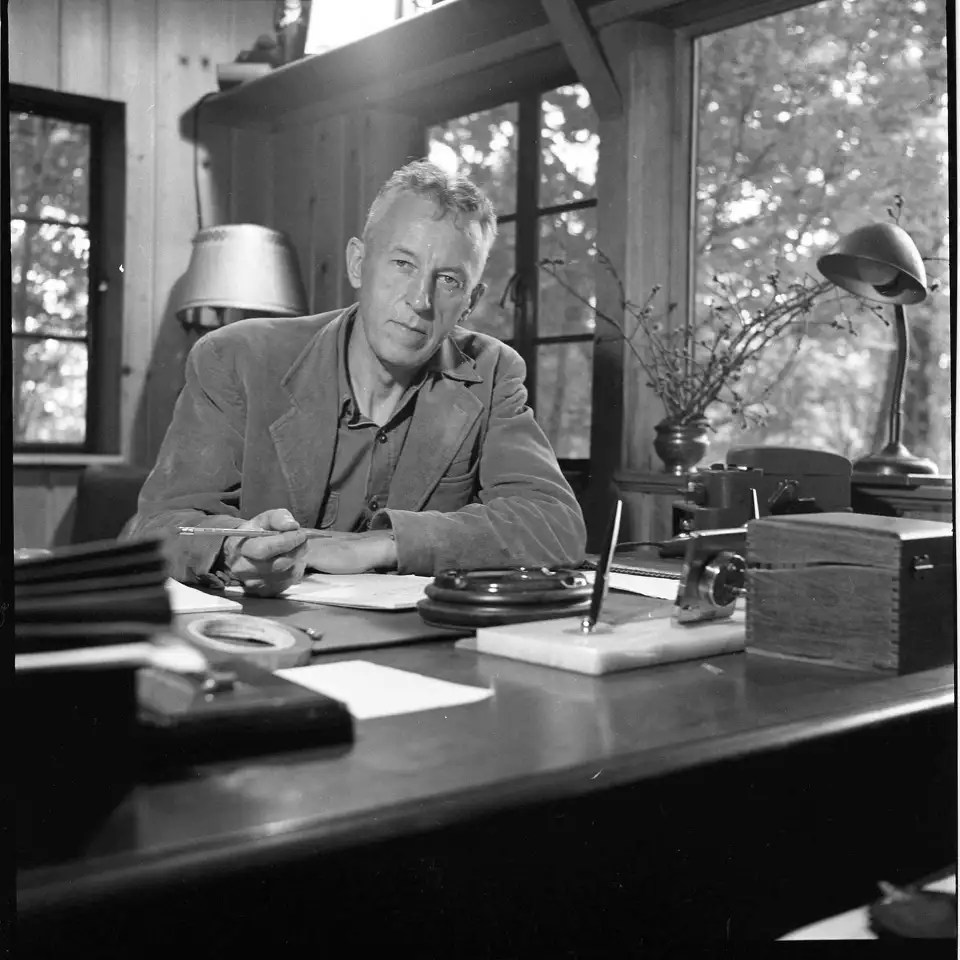
Bill W, Co-founder of Alcoholics Anonymous AA-The 12-step recovery program
Coming to the recovery movement from the Oxford group, Bill W tells of how the icy intellectual mountain resisted the Czar of the Heavens, whose creative intelligence and universal mind he had doubted for long. He tells of how Ebby T told him to be willing to believe in a power greater than himself to make his beginning.
St. Andrews United at Bloor street, Toronto, has been a thinking place where persons from different walks of life come and share their experience, strength and hope, of how they evolved from Resistance to being open to hear what has worked for others, and to have a personalised program of recovery. For persons who are struggling with finances, family issues, faith, a fellowship where one can share without judgement is a key to recovery.
Third Wave CBT: Acceptance and Commitment Therapy (Hayes, Barnes-Holmes & Roche, (2001).
Hayes and colleagues (2001) researched on the why change occurs using the relational frame theory, on how humans relate to time, each other and space and explained the why of how change occurs in cognitions, behaviour and systems. This was an evolution from 2nd wave CBT which emphasised on cognitions as developed by Aaron Beck and Albert Ellis(1960s, 1970s), and 1st Wave CBT – the Behaviourism of Skinner (1950s). CBT evolved from the Humanism of Carl Rogers (1950s) and the Psychodynamic empire of Freud (First half of 20th century)
Peggy’s Confession: I had your baby
In his book, A Liberated Mind, Stephen Hayes talks about the cultural messaging -just snap out of it- as shown by the messages given by the character Peggy and her dialogues with Pete. He goes on to say how psychotherapy and counselling in the mid 20th century are partly responsible from such cultural messages- which just tell to “Snap out of It” . (Hayes, 2020)
Hayes talks about the cultural messaging in Distraction, Avoidance, Indulgence which are not changing the basics. Acceptance and talking to the parts which one is avoiding has been a way forward to develop context rather than just trying to change the content of thought.
The six core therapeutic processes of ACT are acceptance and willingness, cognitive defusion, present-moment awareness, self-as-context, values, and committed action.
Acceptance means gently holding whatever arises. This could be done by rating one’s presentation after filming as mentioned previously. Present-moment-awareness is a non-judgmental mindfulness exercise. Consider a client with social anxiety who overestimates criticism and has excessive self-focus. The techniques can be used to allow the individual to notice the behaviour of others by observing their verbal and non-verbal cues (Bennett-Levy et al.,2004; Kinnerley, Kirk & Westbrook, 2017; Stoddard & Afari, 2014).
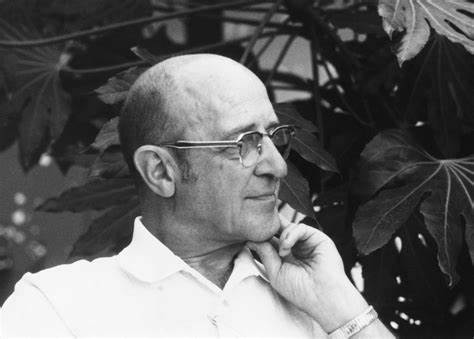
Carl Rogers, one of the key figures in Developing Humanistic Psychotherapy, which broke out of the psychodynamic empire of Freud.
” I have found it enriching to open channels whereby others can communicate their feelings, their private perceptual worlds, to me. Because understanding is rewarding. I would like to reduce the barriers between others and me, so that they can, if they wish, reveal themselves more fully”
Carl Rogers, Speaking Personally
Summary of Themes
1- Overdose deaths are on the increase, they are shrouded in stigma and secrecy
2- Loving someone in recovery can take a toll.
Attachment theory, neuroscience, cutting edge 3rd wave CBT like ACT can help family members who are preoccupied with taking care of or controlling another person at the expense of one’s own needs.
3- Different approaches to recovery can help evolve a personalized program.
See previous article on Anger – the different between the Narrative therapy and CBT -2nd generation – Approach
Peggy W- Told to “Snap out of it”. This cultural messaging is partly due to the counselling approach in mid -late 20th century, where Cognitive Therapy (2nd Wave CBT) stressed on Reframing and Visualizing differently. Third Wave CBT approach examines the context rather than the content. It is not what you know, rather who knows what you know that helps evolve choices (Hayes, 2020).
Exercises
Creating a Personalized Model of Recovery can be done by first becoming aware of one’s Personal Craziness . You can download the worksheet to define Personal Craziness Index (PCI) and can contact to get help on developing a program of awareness, monitoring and self-regulation.
Greening, T., & Kirschenbaum, H. (2013). THE DEFINITIVE BIBLIOGRAPHY ON PERSON-CENTERED PHILOSOPHY AND CARL ROGERS. On Becoming an Effective Teacher: Person-centered teaching, psychology, philosophy, and dialogues with Carl R. Rogers and Harold Lyon, 193.
Hayes, S. C., Barnes-Holmes, D., & Roche, B. (2001). Relational frame theory: A précis. Relational frame theory: A post-Skinnerian account of human language and cognition, 141-154.
Hayes, S. C. (2020). A liberated mind: How to pivot toward what matters. Penguin.




 Prashant Bhatt's notes