Exploring the seeds of Time


Four generations of our family have walked in Lodhi gardens.

Lodhi gardens-4 generations of our family have walked here-May 2013

“When are you meeting me” an old friend asked me.

“Early morning at Lodhi” I offered,

“It will save you from the heat and traffic.”

He backed off.

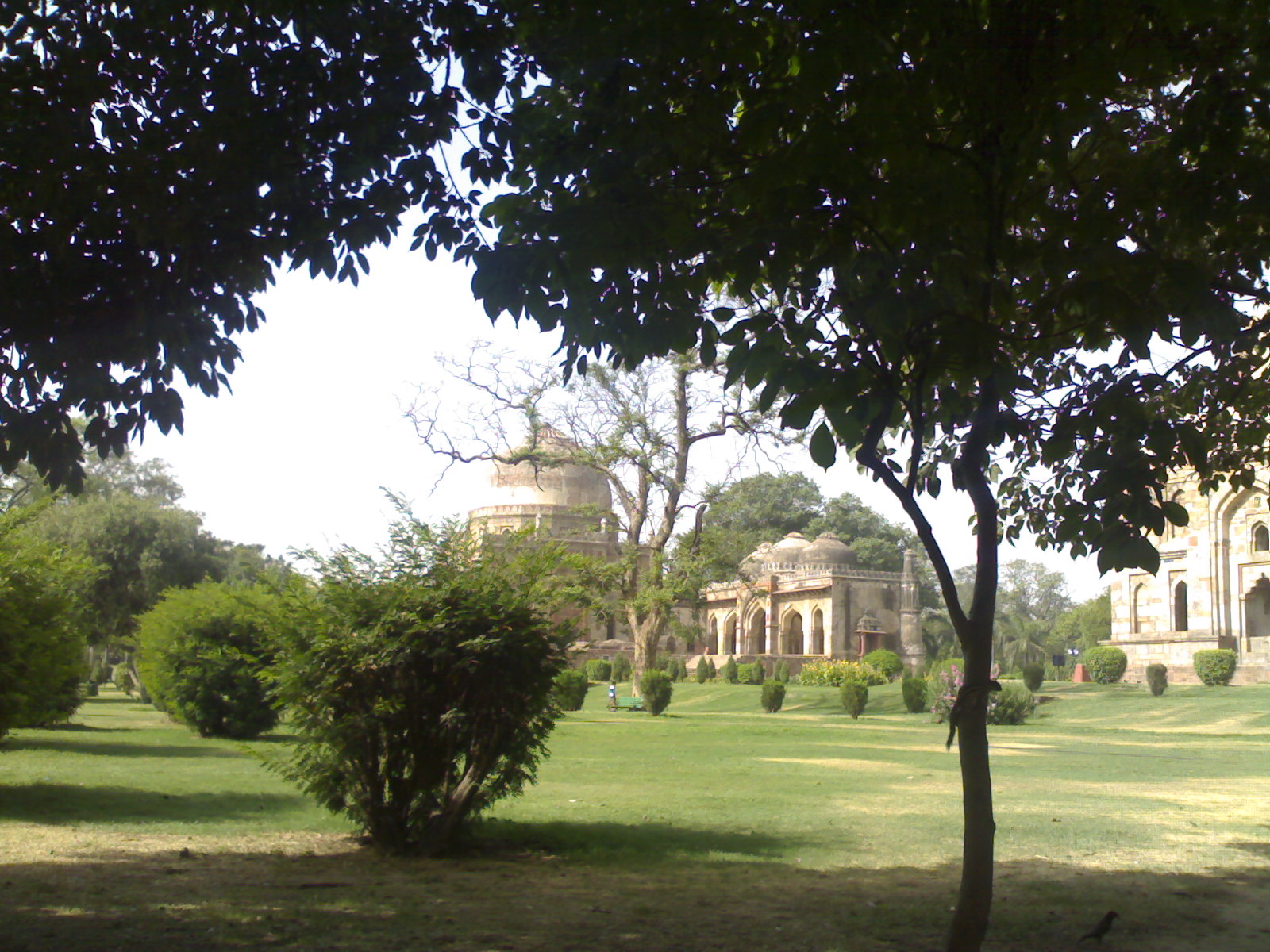
Bada-Gumbad Mosque area of Lodhi gardens is a place where some

fellow-travelers meet.

The landscape of Delhi has changed. But Lodhi Gardens remains.

“Our uncle took us for a bus-ride when the first buses started” a friend

remembered the Delhi of the 1950s.

GENEOLOGIES….MEMORIES WITH PASSING AWAY

In the African tradition, people celebrate death as much as a

part of life process as birth.

This is different from Judeo-Christian traditions.

The African tradition deals with the spirits of

those who passed away as friends in contradistinction to some other traditions in

which ghosts and spirits have a negative connotation.

As part of the projects of geneology-and associations one

forms with the passing away of persons, a time to reflect on life and celebrate it.

Many things have changed in the Delhi Cityscape.

But Lodhi gardens remains one of the constant anchor landmarks….

Mornings at Lodhi are a good time to refresh some memories,

reflect on life processes.

…Four Generations of our family have walked Lodhi.

COMMEMORATIONS……EXPLORING THE SEEDS OF TIME

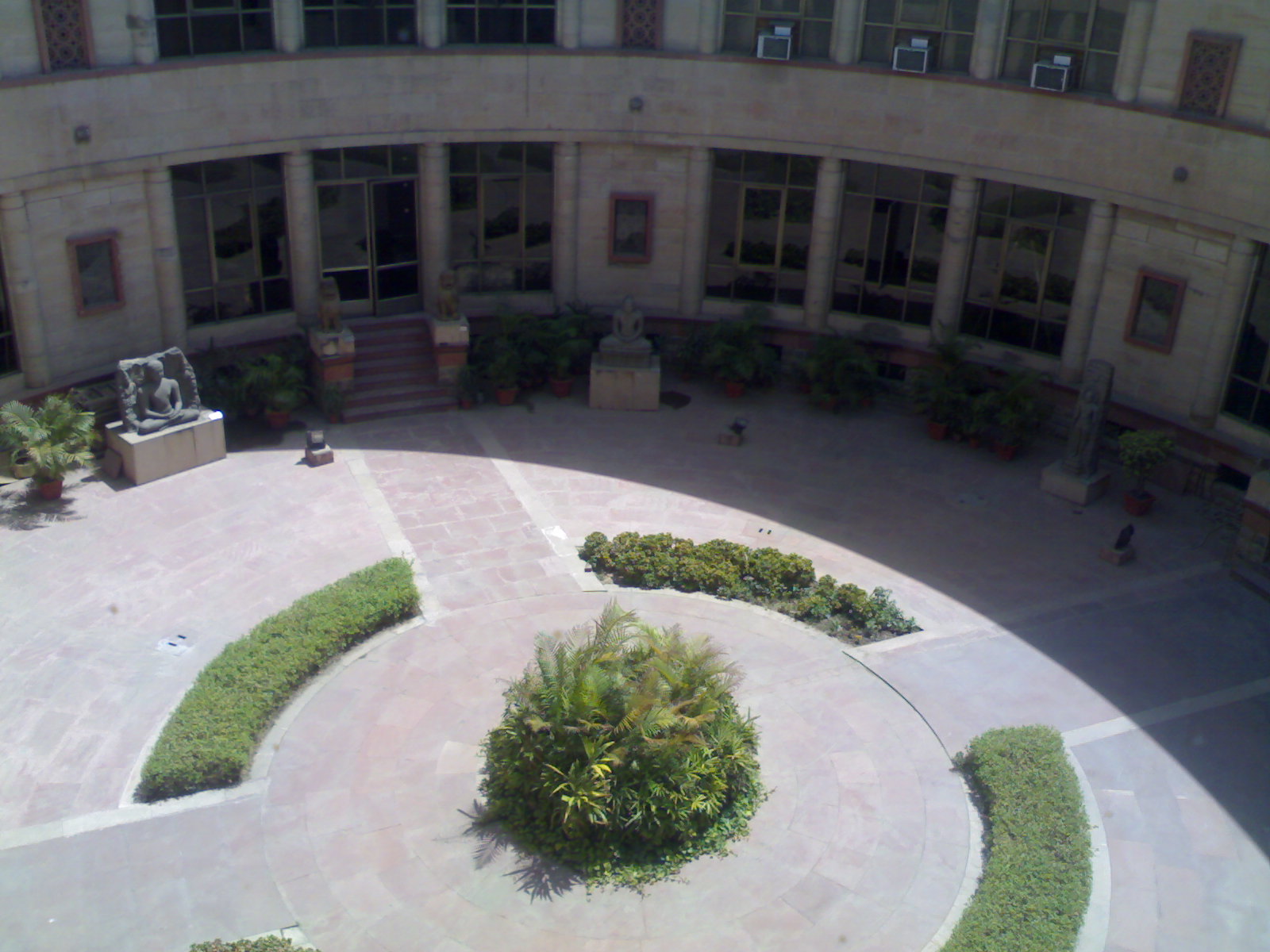
National Museum-Central Area May 2013

The Amrita Shergill centenerary is going on.

In the afternoons, ..we review the Company period paintings

which brought European realism into the Indian Art which earlier was more about Kings-and-Darbars…

My niece told me that she read about the painters Tilly Kettle and Thomas Daneil in her school-history books and

remembered how she had first been introduced to the works of these artists in the galleries. of NGMA.

Last time we had attended the 150th year of Tagore…

Exploring the seeds of time…through art…

on a quiet Delhi afternoon.

Introducing the children to the concept of exploring..the seeds of Time.

VIEWS….FROM HIGHER FLOORS, MEDICAL PERSPECTIVE..

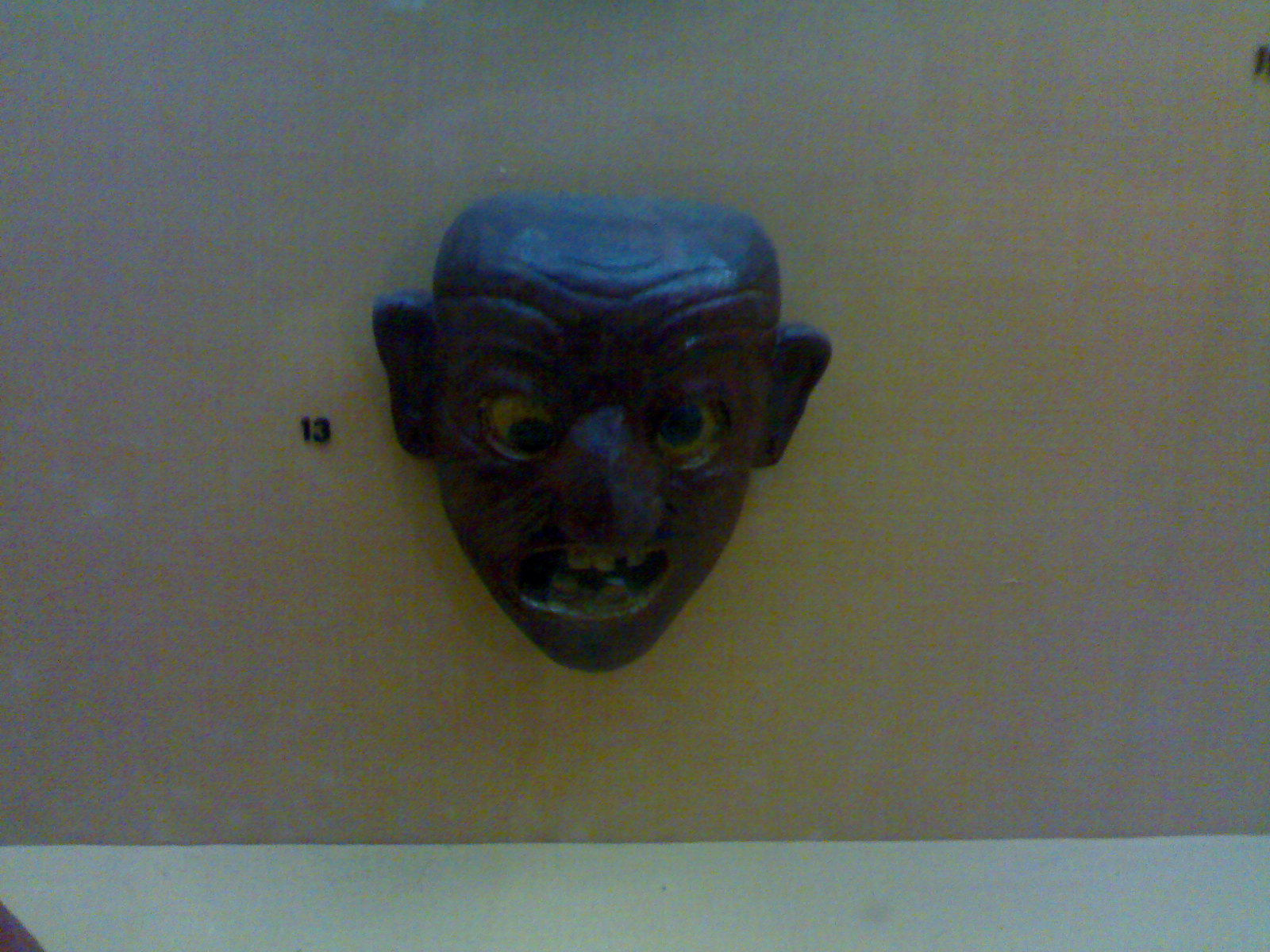
Thyrotoxicosis-in National Museum.

As we explored sculptures from different periods, I came upon this Mask from North East depicting Thyrotoxicosis.

There are many perspectives of seeing the same thing.

Photography from the 2nd floor – The central area of National Museum

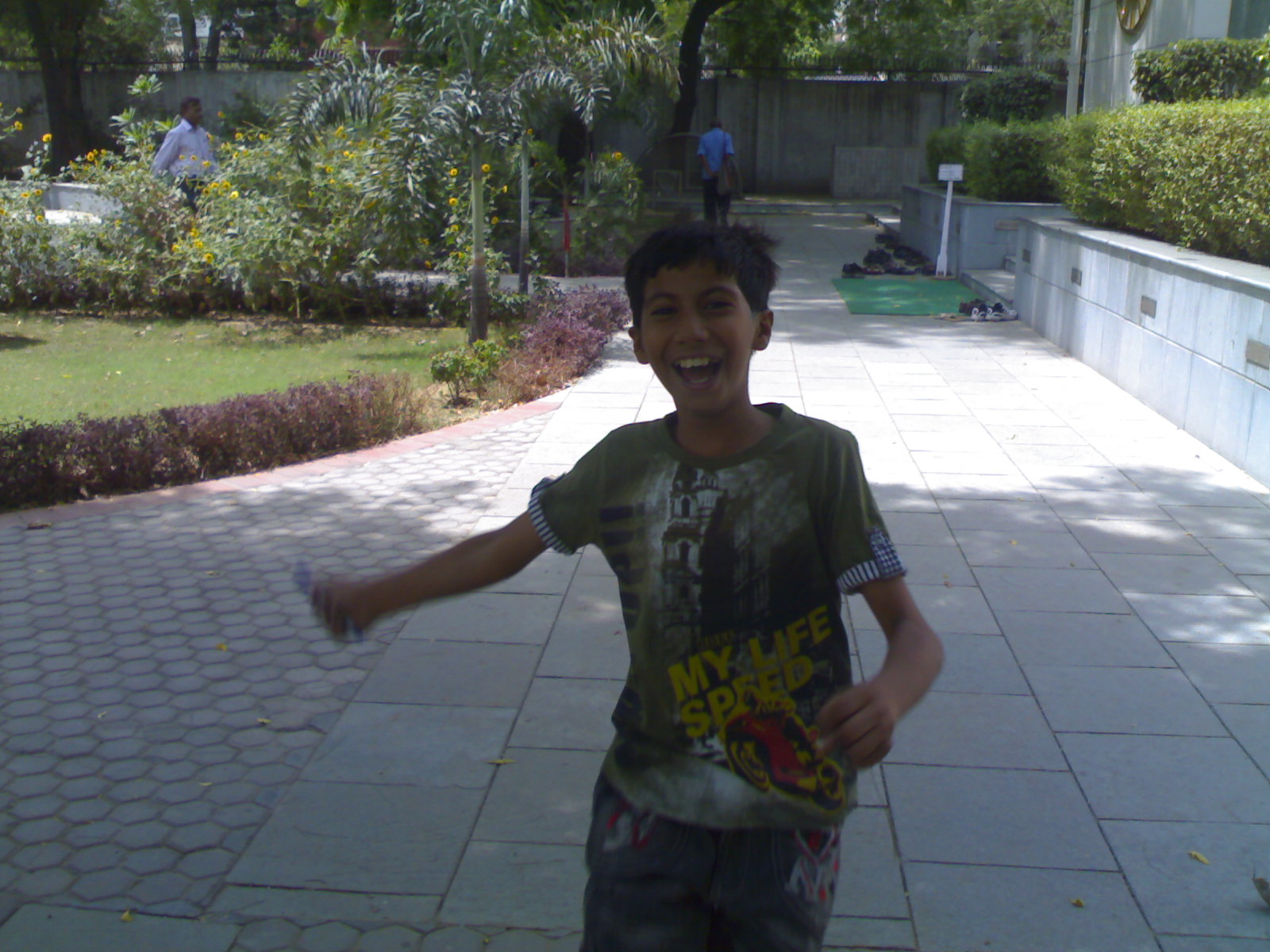
As I put the caption- Meditations on this photograph of my nephew Mayank running around in

the Sri Aurobindo Ashram..he said..

Meditations..Sri Aurobindo Ashram-Delhi

I do not think the caption Meditation is right.

There are many perspectives of seeing things.

– – –
Many things
came alive..in walks around Lodhi.


Posted in Diary, life, photography | Tagged , , , | 4 Comments

Exploring Public Domains- From Kabir to Safir

On these tables, we learnt some things.

NO STEERING WHEEL IN THE BACK SEAT

Last week, as we met our “Board” once again, we realized that the back seat does not have a steering wheel. We were searching for the “steering wheel” but were not able to find it. We were angry and confused, till the realization dawned upon us.

TOOL-BOX

The now closed Grand Hotel of Tripoli was the place of many interesting meetings. It is here that we met over coffee and devised tools and unities to be able to find ways of helping to drive the organization even if the steering wheel is not in our hands. It is also here that some friends from the English faculty helped me see the different meanings of nationalism, how following the Western model was an enlightening prospect but with an inherent contradiction for peoples from Asia,Africa, South America- the post colonial world.

Then we set about engineering and perfecting to “Tool-Box”, by ways of petitions, translations of government contracts, seeing the different meanings and interpretations of words like -Anan-Khidma- does it mean gratuity or pension.

“Please do not talk about Anan-Khidma, as a happy party to be had in the end of the contract period in which the employee is handed over his last dues and also the accumulated gratuity” one of the Tool-Box makers told his Director who was trying to act as a stooge of his Financial Board.

“Do you remember how your own Exit had happened last year?”

The “Director” (now-Former) had fallen silent.

Since our Board does not believe in niceties, we learnt how to fight in the struggles we undertook and devised tools like – Exit Interview and -Pygmalion Effect to see how we are treated and how our own actions were making them repeat the same treatment on us-the formerly colonized subjects from different countries, but with same behaviour from the “Board” who wag their tails in front of visiting dignitaries and simply ignore the workers.

AGENDA OF LOGS AND SCANNERS

The Excel file to keep a log of events, deadlines, technical notes, what was said, what remained, why the difference in simple calculations found another friend- the Scanner.

“Scan your papers, and keep them on an Internet based cloud system-either e-mail it to yourself in gmail or yahoo or tag it on the file in evernote”

Why?

People remember only what they would like to remember.

FROM GRAND HOTEL TO SAFIR

Times have changed. Some water has flown past the Mediterranean ever since we had our Coffee-Conference at Grand hotel.

The regime has changed, but some social attitudes will take time to change.

Now we have our weekly round-ups at Safir-the Indian restaurant behind the now-closed Grand Hotel. In those flavors of soups-Sea food, Cream of Spinach – we find the flavours of recent events as seen in larger frameworks.

“Have you read of the slavery in South and the American Civil War” one wise friend said as he heard the repeated lamentations of his colleague.

Then the pakoras, biryani, chicken saagwala follow to add further depth.

Food culture is a nice way to break barriers.

(remembering the Bhajan-Bhojan group of yesteryears)

WHO MOVED MY CHEESE

“I keep doing the same thing again and again and expect different results,” I quoted this managerial proverb to my friend trying to break his circular lamentations, which were repetitive and not yielding any productive result.

The more learned amongst us attend conferences on how implementation of law is developing in the newly emerging democracies of the Arab world. The “Tripoli Reading Group” has a wide spectrum. The less intellectual minded can still try to read the lessons of Mark Twain’s “Tom Sawyer” and how the development of love, conscience and responsibility marked the evolution of a boy from adolescence to adulthood.

Some just like to enjoy the Biryani.

In these tables of Safir we revisited famous words-probably never spoken
– Dr.Livingstone I presume-

and tried to come to see the way medical systems evolved in these countries in the post World War II period, from the Matrons from Yugoslavia (former) who helped set the rosters and routines in Central hospital (Shara Zawia) to the Indian professors who taught the meanings of Anatomy and Public Health, Biochemistry and ethics to a new generation of students

(Remembering the curriculum committees of the University)
— –

PUBLIC DOMAIN WORKS

“If one wheel stops, the other wheel cannot keep running” one of the original members of the Coffee-Conference at Kabir reminded the forgetful “Board”.

These have now become words of “Public Domain Use” as we held many conferences over the years, to try and change the culture of -Inshallah-Bukra-Malesh (IBM) which is the way they behave when it comes to something which is required of them. The same IBM is converted to “Tawwa” (Immediately-on-urgent-basis) when it comes to something which they require.

* * *
MEANINGS IN WORDS

Here we learn the meaning in the words of Rosa Luxemburg

The modern proletarian class doesn’t carry out its struggle
according to a plan set out in some book or theory;
the modern workers’ struggle is a part of history,
a part of social progress, and in the middle of history,
in the middle of progress, in the middle of the fight,
we learn how we must fight..
Rosa Luxemburg
http://en.wikiquote.org/wiki/Rosa_Luxemburg
—–
On these tables, we learnt some things.

Posted in Everyday History, Tripoli Reading Group | Tagged | 6 Comments

Mutual Improvement Societies

“Herein lies the tragedy of the age:
Not that men are poor, – all men know something of poverty.
Not that men are wicked, – who is good?
Not that men are ignorant, – what is truth?
Nay, but that men know so little of men.”
― W.E.B. Du Bois

Mutual improvement societies can be an interesting way to generate intellectual life.
Around May Day, we added the tool of Incident reports to try and improve the level of conversation.

MONOLOGUES OR CONVERSATIONS…INCIDENT REPORTS

One interesting way of knowing the truth in its many dimensions is to try and generate a conversation. If you ask about the same incident to different persons in different layers of the organization and try to record these, you will get a summary of what the feel of the incident is. This has been a way of building perspective from a holistic approach rather than a Top-Down Absentee Board Member approach making some closeted decisions without ever asking the persons on the ground what is happening.

HERE ARE SOME SUGGESTED HEADINGS

Date: Time:

What happened?

Reported to administrator…Yes or No,

To Whom

Discussion

Proposed action.

RELATED POSTS

The Exit Interview https://prashantbhatt.com/2012/05/16/the-exit-interview/

The Pygmalion Effect https://prashantbhatt.com/2012/04/23/first-line-managers-pygmalion-effect/

AWARENESS ..QUESTIONNAIRES

In her book- The Intellectual Life of the British Working Classes’ Jonathan Rose writes about the workings of other grassroots and awareness-raising groups in hundreds of chapels and thousands of kitchens became known as ‘mutual improvement’ (a term used as far back as 1731). Although ‘these institutions are scarcely mentioned in studies of labour history,’ Rose comments, a Coventry millworker once claimed that
‘The Labour movement grew out of Mutual Improvement Societies’ (58).

In the medical private sector, I came to know of some bizarre rules like

“If you talk to the administrator three days salary will be cut”

While talking to some workers who do night duties.(When will they get
their dues if they keep working quietly in night?)

Meeting in a non-formal atmosphere, talking about the composition of the communities through their schools, libraries, reading groups made us realize how different issues like housing allowances, gratuity, medical insurance, transfers help build a narrative and perspective which is different from “millions transferred-profit and loss” of the board.

“How come a hospital which derives income from insured patients does not insure its own medical staff?”

RELATED POSTS

Remembering Haymarket..The Eight Hour Day
The first secular holiday of Libya under the transitional council is the International Worker’s day.Earlier, other than Islamic holidays, the only secular holidays were those relating to the important dates on the calendar of the previous regime.

The Eight Hour Day –Remembering Hay Market in Tripoli

Which Historiography..In search of Unknown Worker

Which historiography..In search of the Unknown worker.

EDUCATION..TO STAND ON OWN FEET

As we sifted through the intellectual life of working people, we realized the truth in the words of a student in 1936 Williams-Heath survey who believed education exists

‘To enable a man to stand on his own feet. To equip him to be able to endure his own company on occasions, communing with the inner world of his thoughts, instead of rushing out to mix with the crowd’ (283).

As I asked a reputed Head of an Infectious diseases unit in Tripoli about the source of medicines, he acknowledged that India-the pharmacy of the underdeveloped world can provide the same drugs at a much cheaper rate.

“There is pressure from NGOs to acquire the drugs from European companies.
I do not have much say in the purchasing committee and do my job to take care of the patients. The lobbies are funded by powerful interests.”

As I read this article in the Tripoli Post about the state of our hospitals-

I have recently seen a report on one of these hospitals that suggests that they still are in very bad shape. As a matter of fact recently some doctors have taken the desperate measures of leading a daily hourly strike in protest against the shortage of equipment, and the recently added problem of gun threats by patients to the medical staff.

http://www.tripolipost.com/articledetail.asp?c=5&i=10154

The truth of experiences at different layers comes out in many ways. The patient, relative experiences the same institution in a different way from a maintenance engineer, or a medical head of unit , nursing instructor. The place is the same, but the experiences and viewpoints are different .Add to this the fluid state of ministries the sense of flux is felt even more. As one veteran pointed out

“The persons in the ministries have become defensive, do not want to rock the boat and just want to finish their tenure without much controversy.”

If education is to stand on one’s own feet, then collective opinion may give us better ways of doing so.

THIS MAY DAY

Let us try to go beyond monologues into multilayered conversations, develop mutual awareness and improvement societies to interrogate various layers.

SUGGESTED LINKS

1. Book review by Elliot Murphy

The Intellectual Life of the British Working Classes’ by Jonathan Rose
As the marketisation of universities accelerates, maintaining forms of education which value the pursuit of knowledge as an end in itself has become a crucial and necessary challenge. Elliot Murphy revisits a classic study by Jonathan Rose that explores the pre-war culture of self-education amongst the British working classes.

‘The Intellectual Life of the British Working Classes’ by Jonathan Rose Books

2. The Scary Spider That Opened My Eyes – by Mary Ahmed

http://www.tripolipost.com/articledetail.asp?c=5&i=10154

3. Dictated by Pharma Companies

Commentary by Kalpana Mehta, Anand Rai, Nalini Bhanot in Economic and Political Weekly April 2013

The 59th report of the Parliamentary Standing Committee on health and family welfare on the functioning of the central drugs standard control organisation strongly indicted the agency for its incompetence and the corrupt dealing of doctors who are puppets of pharmaceutical companies.

Posted in Everyday History, Health Policy, life | Tagged , , , , | 5 Comments