EXPLORING IDENTITY THROUGH LOCAL HISTORIES
In this blog, we explore some local histories. I think about walks I had with my parents and family in Kotla-Delhi area in the 1970s. We go through local histories of Etienne Brule, Niagara Apothecary – established 1866 and Rattray Conservation Area-Mississauga-established 1975. I also present a worksheet to reflect upon and create thinking places
The last fortnight of November was hectic. After leaving Sagar at the airport, we went for a peaceful walk at Etienne Brule, Old Mills area. It is one of our thinking places. There is a Memorial Stone with these words of Robert Burns inscribed.
Whatever mitigates the woes or increases the happiness of others
That is my criteria of goodness
Whatever injures society as a whole or any person in it
That is my measure of iniquity
Over the past fortnight, we explored some areas of GTA – Greater Toronto Area. We also revisited Niagara Parks. We have now developed many personal memories with these places.
Old Mills Station: Remembering Edicts Parks as Thinking Places-Firoz Shah Kotla-Delhi-1980s
Etienne Brule -Old Mills area has been a thinking place for many years. Examining local histories and relating them to immigrant narratives has been a quest for me since my college years.
In Maulana Azad-Delhi days of 1980s, we used to go to the Firoz Shah Kotla Monuments and see how local inhabitants would pray at the 14th century mosque built around 1354. The Kotla complex in front of our college hostel and campus was a place for reflection. I would visit there with friends and family. The stepwell (baoli), the Ashokan Pillar, and lawns of Kotla helped me integrate periods of my childhood walks with my parents and family in the Sahyadris -1970s and Himalayas-1970s-1990s.
Ashokan Pillar of 3rd century-Shifted by Firoz Shah in 14th century
The Ashokan pillar was originally erected around 3rd century BCE at Topra village near modern Ambala in Haryana. Sultan Firoz Shah Tughlaq ordered the pillar to be moved to Firozabad around 1356. It was installed atop a three-storey pyramidal structure within the Kotla complex. It bears Ashoka’s famous Sixth and Seventh Pillar Edicts. These edicts elaborate on his personal commitment.
They also describe administrative measures to promote Dhamma (Sanskrit: Dharma), his concept of moral and social law. They present Dhamma as a universal ethical code. It is essential for social harmony, good governance, and personal spiritual progress, not as a sectarian religious doctrine.
Ashoka was a devout Buddhist in personal life. As an emperor, he promoted secular moral philosophy for governance. His message found resonance. Thus, Firoz Shah installed the pillar in his capital. This monument uniquely combines the thoughts of Ashoka from the 3rd century BC. It also reflects the histories of Firoz Shah from the 14th century.
Core Principles of Dhamma Outlined in These Edicts
| Principle (Pali/Sanskrit Term) | Meaning & Application |
| Non-violence (Avihimsa) | Respect for all life, restrictions on animal slaughter, and promotion of vegetarianism. |
| Obedience (Susrusa) | Respectful obedience to parents, elders, teachers, and rightful authority. |
| Liberality (Dana) | Generosity towards Brahmins, ascetics, friends, and the needy. |
| Truthfulness (Sachikichcha) | Speaking the truth and maintaining integrity. |
| Purity of Heart (Bhava-suddhi) | Cultivating inner virtues like compassion, kindness, and self-control. |
| Tolerance | Respect for all religious sects and their freedom to practice. |
Local Histories- Niagara Apothecary
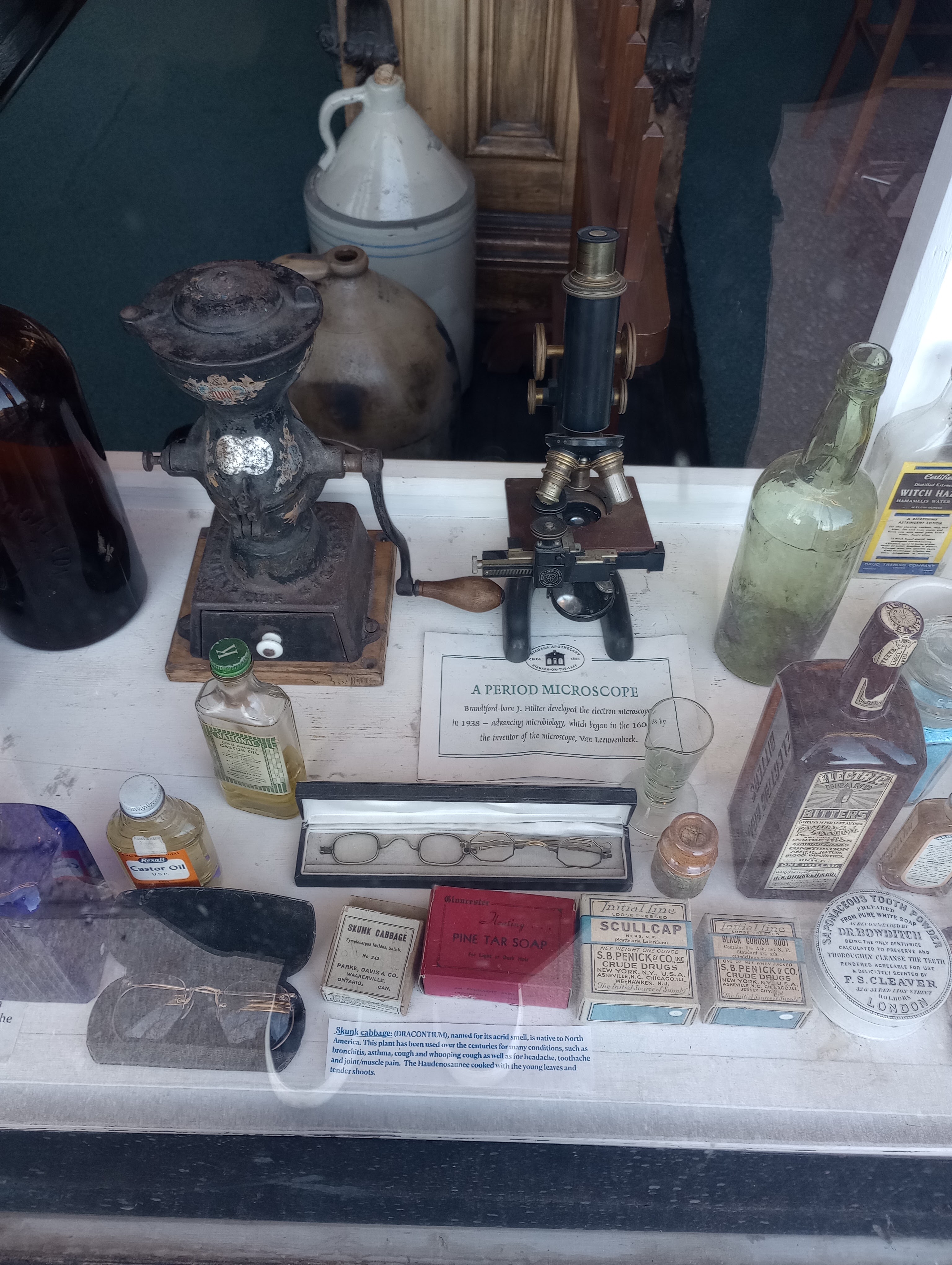
It is a preserved 19th-century pharmacy located at 5 Queen Street in Niagara-on-the-Lake, Ontario. The building itself dates back to the 1820s, but it officially became an apothecary in 1866 when it was purchased by a local pharmacist.
Theme: Examining Local Histories and Integrating them to our Identity and Journeys
RATTRAY MARSH-CONSERVATION AREA- 50 years 1975-2025

In 1967, concerned local residents, led by Dr. Albert and Barbara Reid, formed the “Protective Association of the Sheridan Creek Valley and Environs.” This group mobilized public opinion, conducted ecological studies, and lobbied governments intensely to save the marsh from destruction.
1972: The Credit Valley Conservation Authority (CVC) began acquiring key parcels of land.
1975: A decisive agreement was reached. The Province of Ontario, the CVC, and the City of Mississauga partnered to purchase the core 90-acre wetland and surrounding uplands, permanently protecting it from development.
Official Opening: The Rattray Marsh Conservation Area was officially opened to the public in 1976
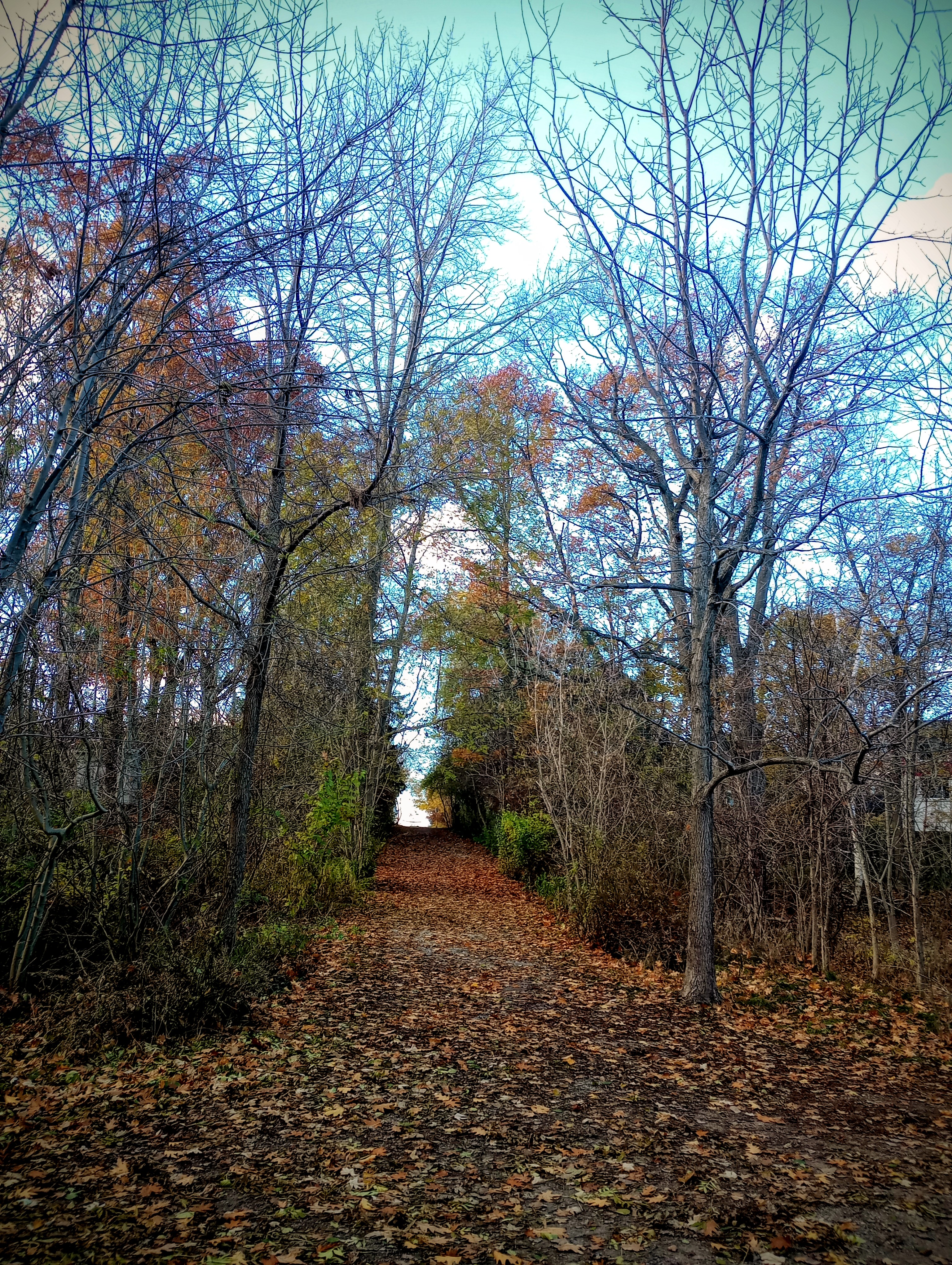
My parents instilled the love of the written word in me. Going to Parks and developing them as Thinking Places started from the Hill Temples-Fortresses of Pune area in 1970s, evolved to longer walks in Himalayas- Shimla and Garhwal areas. In GTA area we went and prayed at Erindale and Richard Memorial – near the memorial trees installed in memory of my parents
Earlier Perspectives
2020 Discussions : Re-read the Reading Journal notes of Conrad’s – Heart of Darkness and the discussion of whether Conrad was a racist as some like Chinua Achebe say . This led us to -Things Fall Apart- the book by Achebe in which Okonkwo struggles with the legacy of his father – a shiftless debtor fond of playing the flute – as well as the complications and contradictions that arise when white missionaries arrive in his village of Umuofia.
A time to connect- with my sons.
We went through the Extended Essay he wrote in 2016-17- in which he compared “Handmaid’s Tale” of Margaret Atwood-1985 to “Jane Eyre” of Charlotte Bronte-1847.
See blog –Letters and Journals 2020
Remembering Kotla at Etienne Brule
After a hectic week, we walked to the memorial stone of David Dryburgh Birrell. We read the words of Robert Burns there.
Whatever injures society as a whole or any person in it
That is my measure of iniquity
Those inscriptions of Kotla Delhi say something similar.
Worksheet for Reflection

 Prashant Bhatt's notes